PC builders face a new calculus when choosing between tray and boxed CPUs. The gap in price—often $20 or more for the same model—has tightened, making trays a compelling alternative. But that discount comes with caveats.
The trend reflects broader supply chain pressures. Tray CPUs, which omit cooling solutions, are now more prevalent due to stock constraints on boxed units. While the savings can be significant, buyers must factor in compatibility and long-term reliability when opting for trays, especially in high-performance builds where thermal performance is critical.
Key details stand out
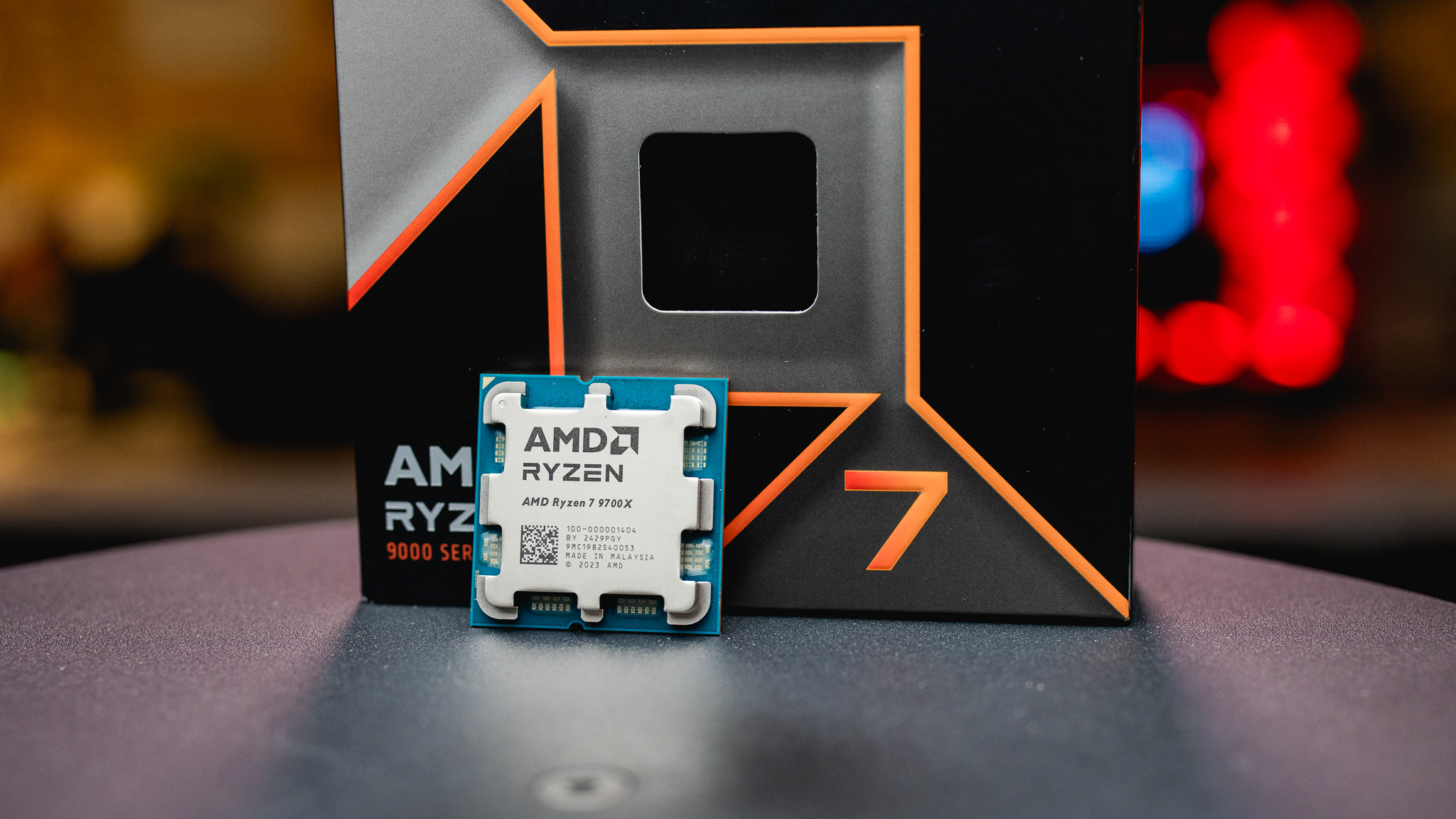
- Tray CPUs typically cost $20–$30 less than boxed versions of the same model (e.g., Intel Core i9-14900K or AMD Ryzen 9 7950X).
- Boxed units include a stock cooler, while trays require separate purchases.
- Availability varies by retailer; some sellers prioritize boxed CPUs during shortages, leading to higher prices for trays.
The shift matters most in enterprise environments where budget and component consistency are priorities. Teams assembling workstations or gaming rigs may find trays more cost-effective, but they must ensure compatible coolers are available—or risk delays. For mission-critical deployments, the included cooler in boxed units can offset the price difference if reliability is non-negotiable.
Looking ahead, the balance between tray and boxed CPUs will depend on supply stabilization. If stock remains tight, trays could dominate further, forcing buyers to adapt. However, as production normalizes, prices may converge, erasing the current advantage. Until then, the choice hinges less on performance and more on logistics: whether a team can reliably source cooling solutions alongside CPUs without disrupting workflows.