Malwarebytes Premium Security was once an unquestioned staple in the cybersecurity toolbox, offering strong malware detection with minimal impact on system performance. That reputation is now under scrutiny after independent benchmarks showed its real-time protection lagging behind competitors while also introducing new subscription tiers that complicate pricing for users accustomed to a straightforward model.
The software’s core functionality remains largely unchanged—it still excels at detecting and removing established malware threats—but its detection rates in recent tests have dipped noticeably, particularly against newer attack vectors. This shift comes at a time when PC builders and IT administrators prioritize both performance and reliability, making the product’s positioning more deliberate than it once was.
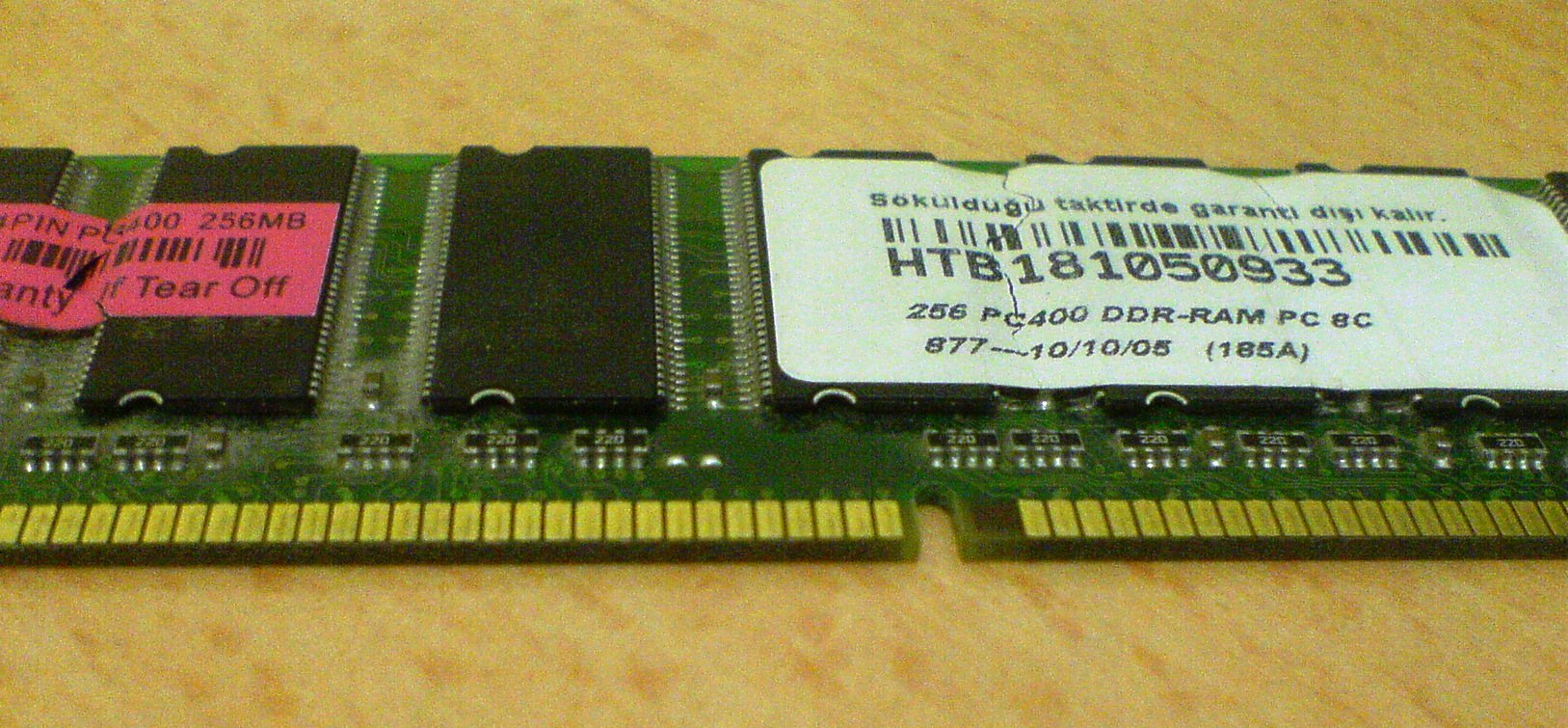
- Performance tradeoffs: Malwarebytes continues to avoid heavy system resource usage during idle tasks, but real-time scanning now consumes significantly more CPU and RAM compared to previous versions. A 16 GB DDR4 kit under load saw sustained memory bandwidth drops of up to 20% during active scans, a notable departure from its historically low-impact profile.
- Detection gaps: While it maintains strong scores against ransomware and trojans, its effectiveness against phishing attempts and zero-day exploits has declined in recent benchmarks. This raises questions about whether the product is adapting quickly enough to evolving threats.
The introduction of a new 'Premium+ subscription tier adds complexity for users who rely on predictable pricing. The higher-tier option promises additional features like web protection and advanced threat intelligence, but its value proposition remains unclear without direct comparisons to competitors offering similar capabilities at lower cost.
A reality check: While Malwarebytes still outperforms many free alternatives in basic malware removal, its market dominance is no longer guaranteed. Users building high-performance systems—where every watt of power and millisecond of latency matters—may find that newer entrants offer better detection without the same performance overhead.
For those who prioritize simplicity and legacy compatibility over cutting-edge threat intelligence, Malwarebytes remains a viable choice. However, builders assembling PCs for professional or enterprise use should weigh its detection tradeoffs against alternatives that balance performance more tightly with protection.