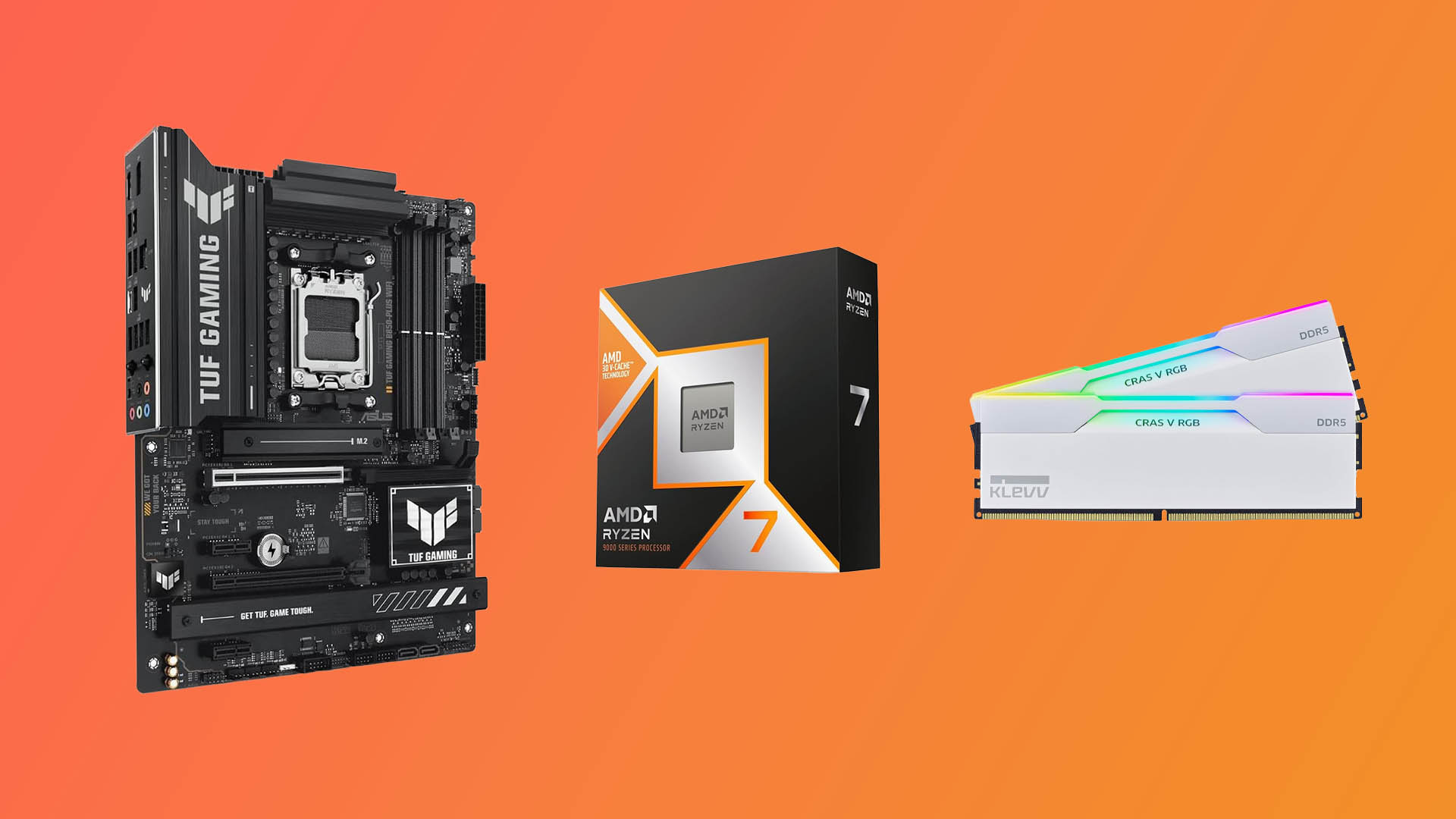
Server CPU markets are evolving rapidly, with demand for specialized processing power outpacing the ability of general-purpose chips to deliver optimal performance. AMD is now following Intel’s lead by developing EPYC processors that cater specifically to AI inference, HPC workloads, and cloud-scale deployments—each optimized for efficiency, throughput, or cost-effectiveness.
The move reflects a broader industry trend where one-size-fits-all server CPUs are giving way to customized silicon. AMD’s approach will extend beyond its current Venice platform, which combines high-density Zen 6c cores with traditional Zen 6 configurations. The next generation, codenamed Verano, will retain the same underlying microarchitecture but incorporate deeper optimizations for AI infrastructure—a departure from earlier expectations that it would introduce a new core IP.
Key specs for these specialized EPYC chips include
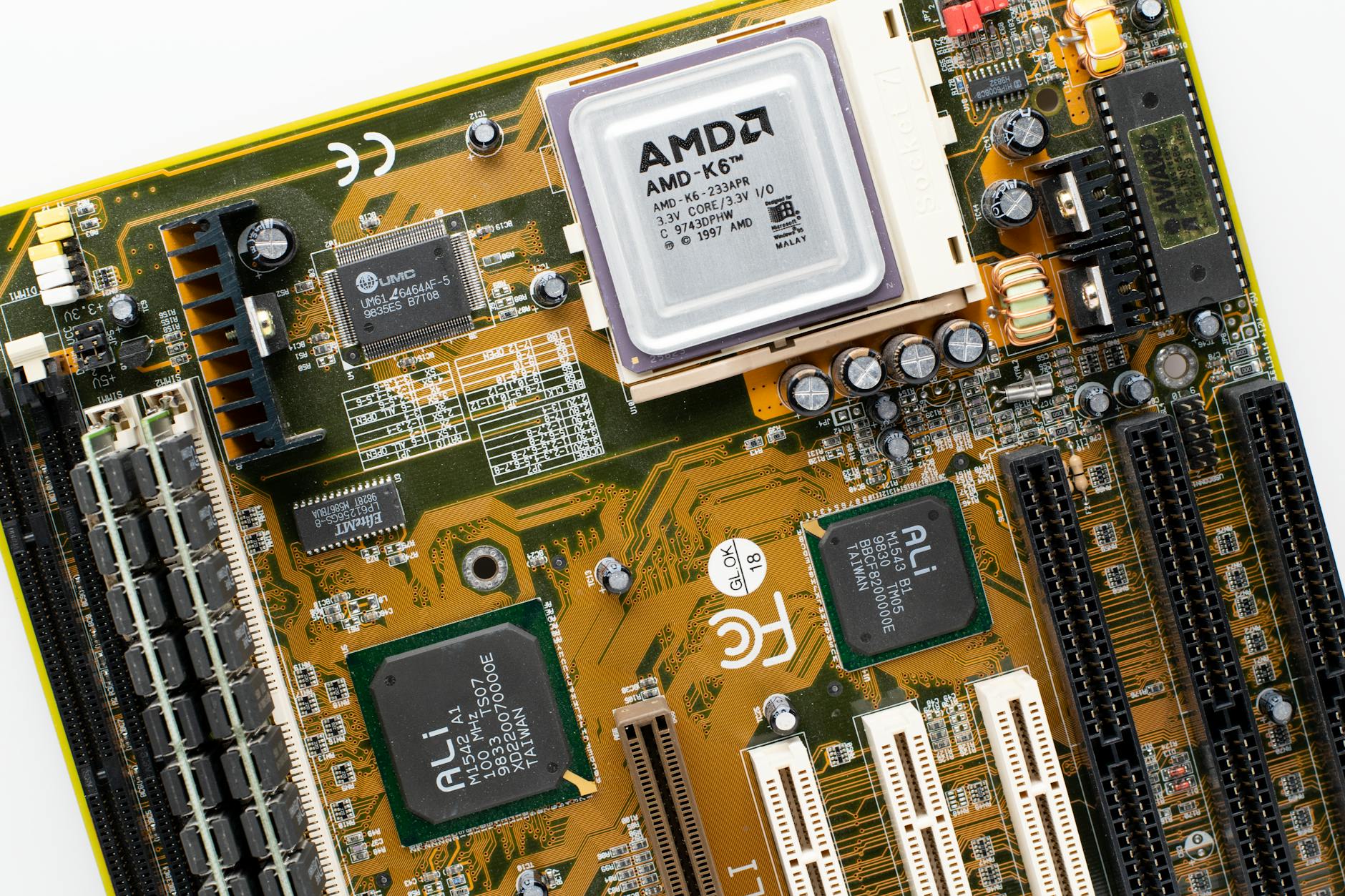
- AI-focused SKUs: Designed to accelerate inference workloads with tailored memory bandwidth and compute configurations, likely leveraging advanced vector units optimized for neural network processing.
- HPC-optimized SKUs: Featuring higher core counts (up to 256 cores) and thread densities, targeting scientific simulations and large-scale data analytics without sacrificing single-thread performance.
- Cloud workload SKUs: Balancing power efficiency with scalability, aimed at hyperscale deployments where cost per operation is a critical factor.
These chips will sit alongside AMD’s standard EPYC offerings, which remain built on the Venice platform. The company’s strategy mirrors Intel’s long-standing practice of customizing Xeon processors for hyperscalers, but with a broader focus on AI and HPC. With the server CPU market projected to grow at a 35% compound annual rate—reaching $120 billion by 2030—the need for specialized solutions is becoming more urgent.
While AMD has confirmed these developments during earnings calls, details about exact performance benchmarks or release timelines remain under wraps. The transition to workload-specific designs suggests a future where general-purpose CPUs will coexist with highly tailored alternatives, catering to industries where efficiency and throughput are non-negotiable.