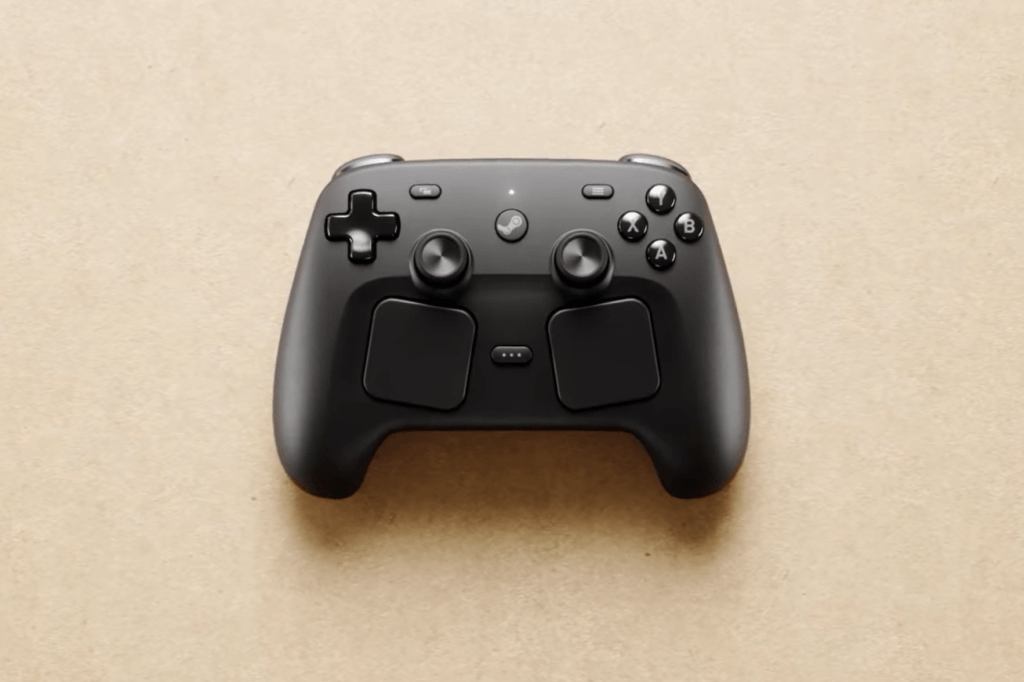
A power user’s hands hover over a gamepad that feels both familiar and entirely new. The buttons are slightly more responsive, the grip is tighter, but something deeper has shifted—perhaps the way the haptic feedback pulses through the controller, or how the screen now displays in a sharper, brighter hue. This is not science fiction; it is the impression left by leaks about Valve’s next Steam Controller iteration, one that could redefine what gamers expect from their input devices.
At the heart of this potential upgrade lies a price point that stands out: $100. For a device that has long been a staple in the gaming community—especially for those who blend PC and console gaming—the jump is significant. The first generation, released in 2015, was priced at $60. A decade later, inflation, component costs, and perhaps an ambition to pack more under the hood have pushed that figure higher. But whether this price reflects genuine innovation or simply the cost of doing business in today’s supply chain remains an open question.
What is clear is that Valve is not standing still. Reports suggest a revamped design with improved haptic feedback, a more vibrant touchscreen, and possibly better battery life. The controller may also feature a more ergonomic shape, catering to those who spend long sessions gaming or streaming. These changes are not trivial; they address real pain points for users who rely on the Steam Controller for its flexibility—whether for navigating complex menus, customizing controls mid-game, or simply enjoying a more tactile experience.
However, the path from concept to shelf is fraught with uncertainty. Supply chain constraints, which have plagued the tech industry for years, could delay production or limit initial stock. Valve’s reputation for quality and innovation could be tested if these challenges aren’t met. Additionally, the competitive landscape has evolved. Controllers like the Xbox Elite Series 2 and DualSense Edge offer features that overlap with what Steam Controller aims to deliver, raising questions about how Valve will differentiate its product in a market where price and performance are increasingly scrutinized.
For power users, the appeal of the Steam Controller has always been its adaptability. It bridges the gap between PC and console gaming seamlessly, offering customization that goes beyond traditional controllers. A $100 price tag could be justified if it delivers on promises of better performance, durability, and features that enhance this versatility. But in an era where gamers are more cost-conscious than ever, Valve will need to strike a balance between innovation and value.
One practical example illustrates the stakes: imagine a user navigating a complex strategy game with intricate UI elements. The touchscreen’s responsiveness and the haptic feedback’s precision could make or break the experience. A smoother, more intuitive controller would not only improve gameplay but also reduce fatigue during long sessions—a feature that could set this iteration apart from its predecessors.
The most critical change, if it comes to fruition, is the price increase. It signals a shift in Valve’s strategy, possibly reflecting the rising costs of components like batteries and screens, as well as the company’s investment in research and development. Whether this will translate into a better product or simply a more expensive one remains to be seen.