Valve’s Steam Controller is just days away from hitting shelves in Japan, marking a potential turning point for PC gaming peripherals. The confirmed May 4 launch date means buyers should weigh whether this controller’s features justify an immediate purchase or if waiting could yield better value.
The device arrives as part of a $99 bundle that includes the controller itself, a charging cable, and a separate 2.4 GHz dongle for wireless PC connectivity. While Bluetooth support is also included, the dongle ensures stable performance—an important distinction for competitive gaming scenarios.
What Buyers Might Expect
Assumptions about this controller often focus on its premium price tag and Valve’s reputation for innovation. However, the real question is whether the features deliver tangible benefits over existing options or if they cater to a niche need. The four programmable buttons, dual touchpads, and HD rumble are notable, but their practical impact depends heavily on the games played.
What’s Actually Changing
The Steam Controller introduces several technical improvements that could shift how players interact with PC games. Its hall-effect sensor for precise input tracking and extended battery life suggest better durability and responsiveness compared to competitors. The inclusion of both Bluetooth and a 2.4 GHz dongle also provides flexibility, but the dongle’s necessity might limit its appeal in wireless-only setups.
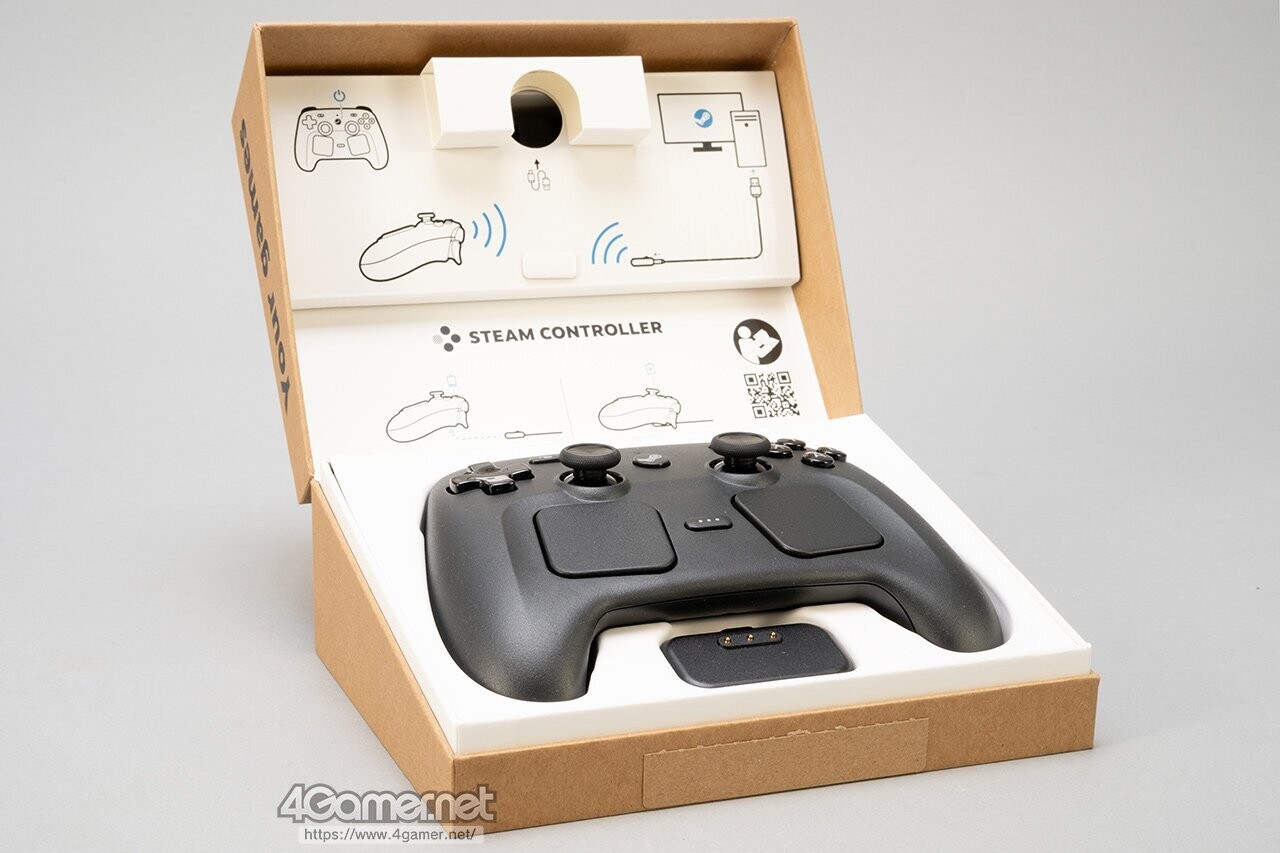
- Programmable Buttons: Four customizable buttons for quick-access macros or game-specific configurations.
- Dual Touchpads: Separate touchpads for navigation and interaction, with potential for gesture support.
- Hall Effect Sensor: Enhances button responsiveness and reduces wear over time.
- HD Rumble: Provides haptic feedback with higher precision than standard rumble motors.
- Battery Life: Estimated to last 8–10 hours, sufficient for extended gaming sessions.
- Connectivity: Bluetooth for casual use and a dedicated 2.4 GHz dongle for low-latency PC gaming.
The $99 price point is competitive but not necessarily a deal compared to mid-range controllers from other brands. Buyers should consider whether the Steam Controller’s features align with their gaming habits—particularly if they prioritize PC integration over standalone use.
For players who rely heavily on Valve’s ecosystem, such as those using Steam Deck or Steam Machine, this controller could be a natural upgrade. However, those without strong ties to Valve’s platform may find little incentive to switch from established alternatives like Xbox controllers or third-party options.
The launch in Japan sets the stage for potential global availability, but timing remains uncertain. If past trends hold, Western releases could follow within weeks, giving buyers a brief window to decide whether this is the right moment to invest.