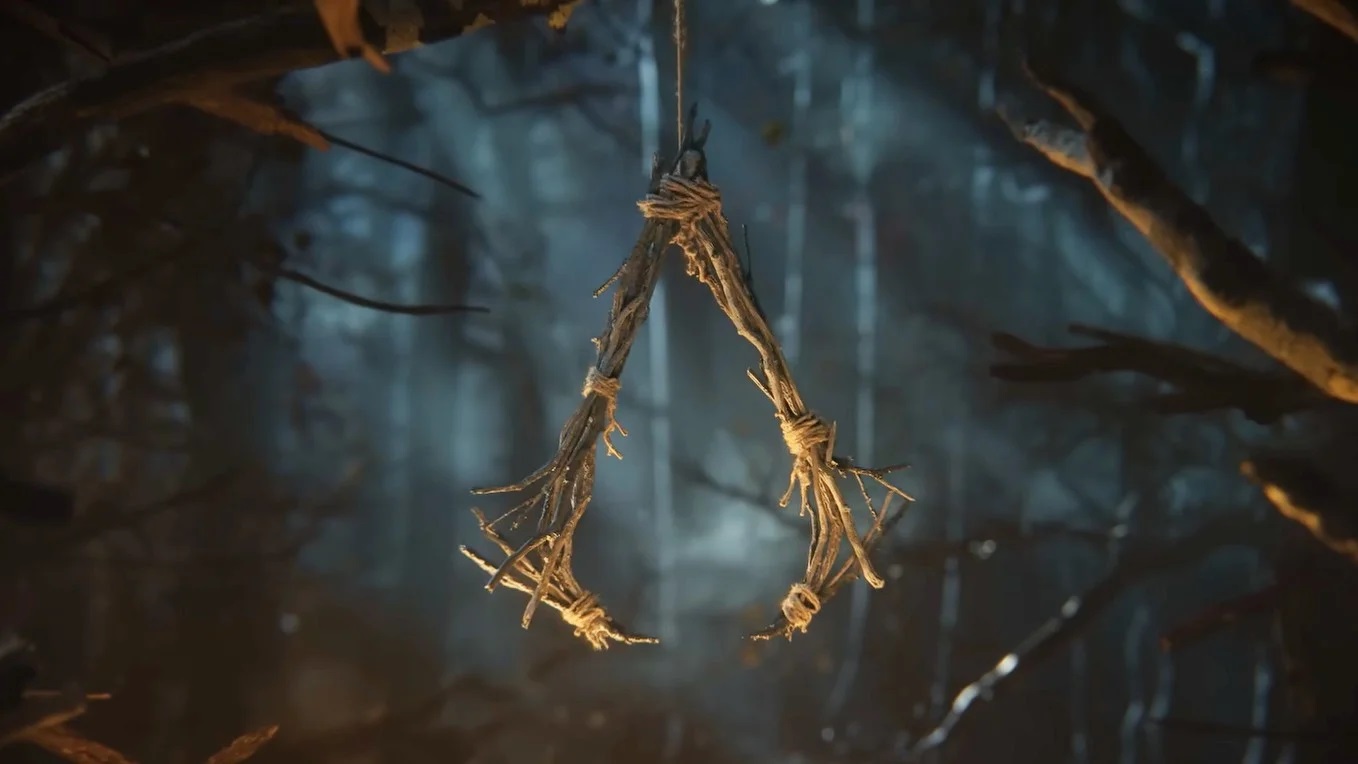
A development team of around fifty members has reportedly left the project codenamed 'Hexe,' the next entry in the Assassin's Creed franchise. The departure coincides with a shift from an originally planned 2026 release window to mid-2027, marking one of the most substantial delays in the series' history.
Sources close to the project suggest that the team reduction is part of a broader restructuring aimed at refocusing development efforts. While Ubisoft has not officially commented on the delay or the team changes, industry observers note that such moves often signal challenges in scope, technology, or creative vision—factors that have occasionally derailed previous Assassin's Creed titles.
Platform and Technical Challenges
The project's shift to a later release window introduces new uncertainties. The original plan likely envisioned a launch on current-generation hardware, but the delay suggests potential delays in platform readiness or shifts toward next-gen systems. If Hexe follows the pattern of recent titles like Odin and Mirage, it may need to balance performance across multiple platforms—PC, PlayStation 5, and Xbox Series X|S—while also preparing for future hardware advancements.
What Developers Need to Know
- Team Reduction: A reported fifty members have left the project, which could impact development pace, technical depth, or creative ambition. Smaller teams often struggle with feature density, a hallmark of Assassin's Creed games.
- Delayed Timeline: The move from 2026 to mid-2027 extends the development cycle by nearly a year and a half. This may allow for more time to refine mechanics or expand content but also risks falling behind industry trends in open-world design.
- Platform Flexibility: If Hexe aims for next-gen hardware, developers will need to navigate the complexities of multi-platform optimization without alienating current-generation players.
The delay and team changes do not necessarily spell disaster. Projects like Red Dead Redemption 2 demonstrated how additional time can elevate a game's scope and polish. However, Hexe's path remains uncertain—whether it will emerge as a refined, ambitious title or one constrained by its development challenges is still an open question.
For developers watching the project, the key takeaway may be this: when team sizes shrink and timelines stretch, the focus often shifts from sheer scale to depth. If Hexe can leverage this period to innovate in mechanics or narrative, it could yet carve out a distinct identity within the franchise.