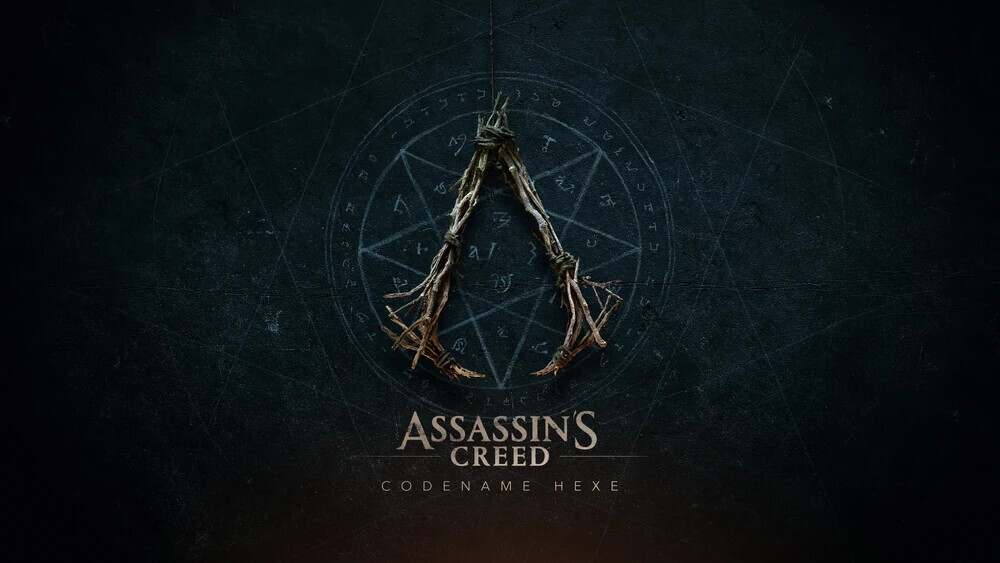
A significant reduction in the development team for Assassin's Creed Hexe has reportedly taken place, with up to 50 developers reassigned or potentially laid off. This move, described as part of Ubisoft's ongoing cost-cutting measures, adds uncertainty to the game's development timeline and potential release status.
The affected developers are being moved to an internal 'Interproject team,' where they will have a three-month window to find new assignments or face possible layoffs. While it remains unclear how this restructuring will impact the final product, it follows a pattern of cautious cost management at Ubisoft, which has already seen the cancellation of another high-profile project, Alterra.
Assassin's Creed Hexe was previously in development for nearly four years, with reports indicating significant changes to its combat mechanics. The game is expected to launch in 2027, but the current team reduction could delay progress or alter its scope. This uncertainty comes at a time when Ubisoft has also confirmed other projects, such as Assassin's Creed: Black Flag Resynced and an upcoming Assassin's Creed 1 remake, suggesting a strategic pivot in resource allocation.
The development challenges for Hexe are not isolated; they mirror broader industry trends where studios grapple with balancing ambition and operational costs. While Ubisoft has not provided official commentary on the team reduction, the move aligns with its recent decisions to downsize other initiatives, including the cancellation of Alterra—a cozy life sim that was part of a broader restructuring effort.
For small businesses and developers reliant on Ubisoft's projects, this news introduces operational uncertainty. The company's focus appears to be shifting toward more established franchises, potentially leaving newer or less proven concepts with fewer resources. Whether Hexe will emerge as a flagship title remains an open question, but its current trajectory suggests a cautious approach to development and risk management.
The situation also raises broader questions about the future of high-budget game development in an industry increasingly mindful of cost control. While Ubisoft's decision may be seen as pragmatic, it underscores the challenges of maintaining large-scale projects without compromising financial stability. The outcome for Hexe will likely hinge on how effectively the remaining team can navigate these constraints while delivering a product that meets the expectations set by its predecessors.