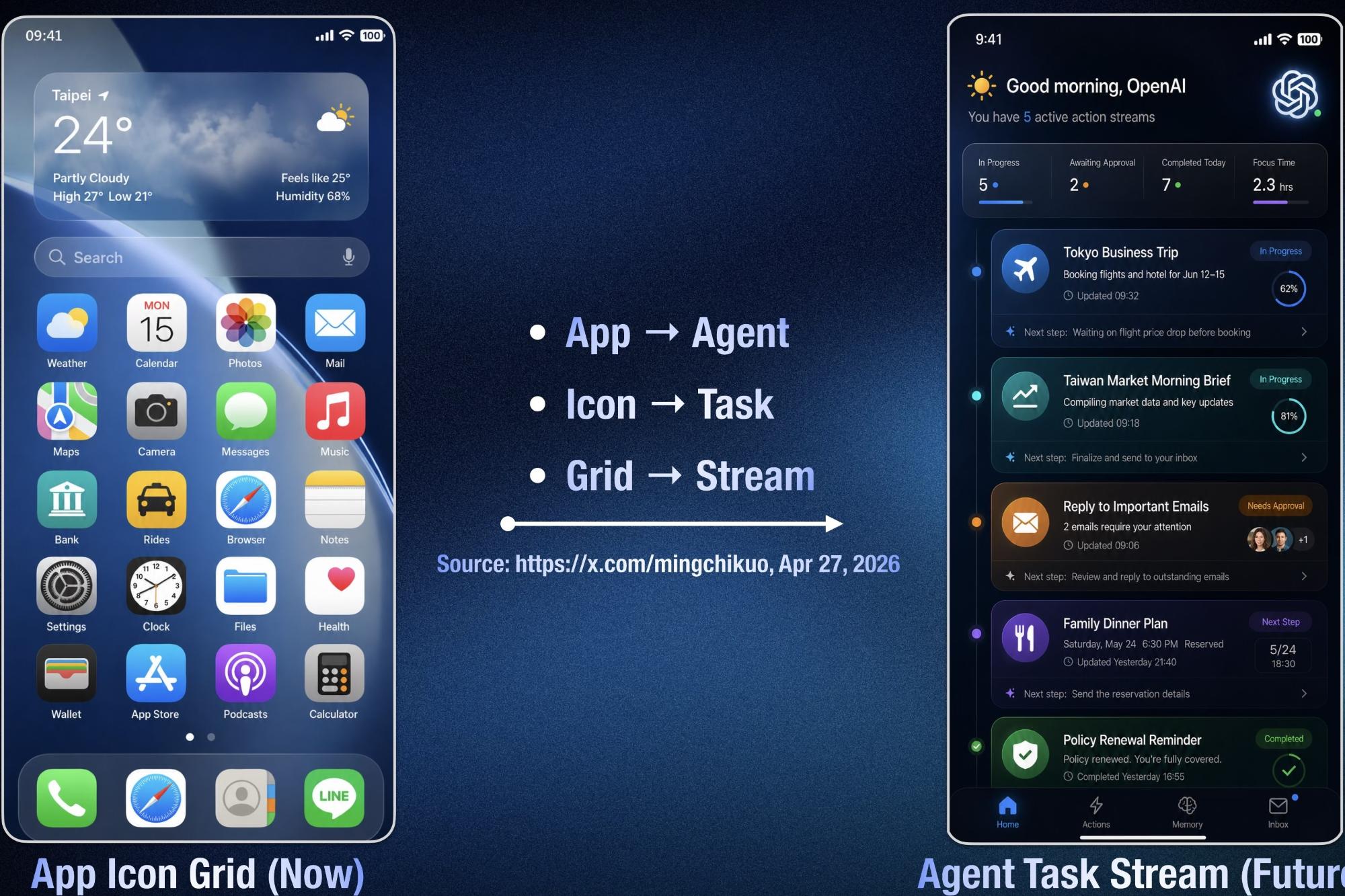
A phone that runs AI agents in real time sounds like a dream for productivity—but the reality may be a lot less efficient than the marketing suggests. The latest wave of devices is pushing clock speeds and chip designs that sound impressive on paper, yet those same choices could drain batteries faster than ever before.
At its core, the tradeoff isn't just about raw performance; it's about how long a device can sustain that performance without overheating or killing battery life. For IT teams managing mobile fleets, this means rethinking power budgets and user expectations. If these phones deliver on their promises, they could be a game-changer for workflows—but only if the tradeoffs are managed carefully.
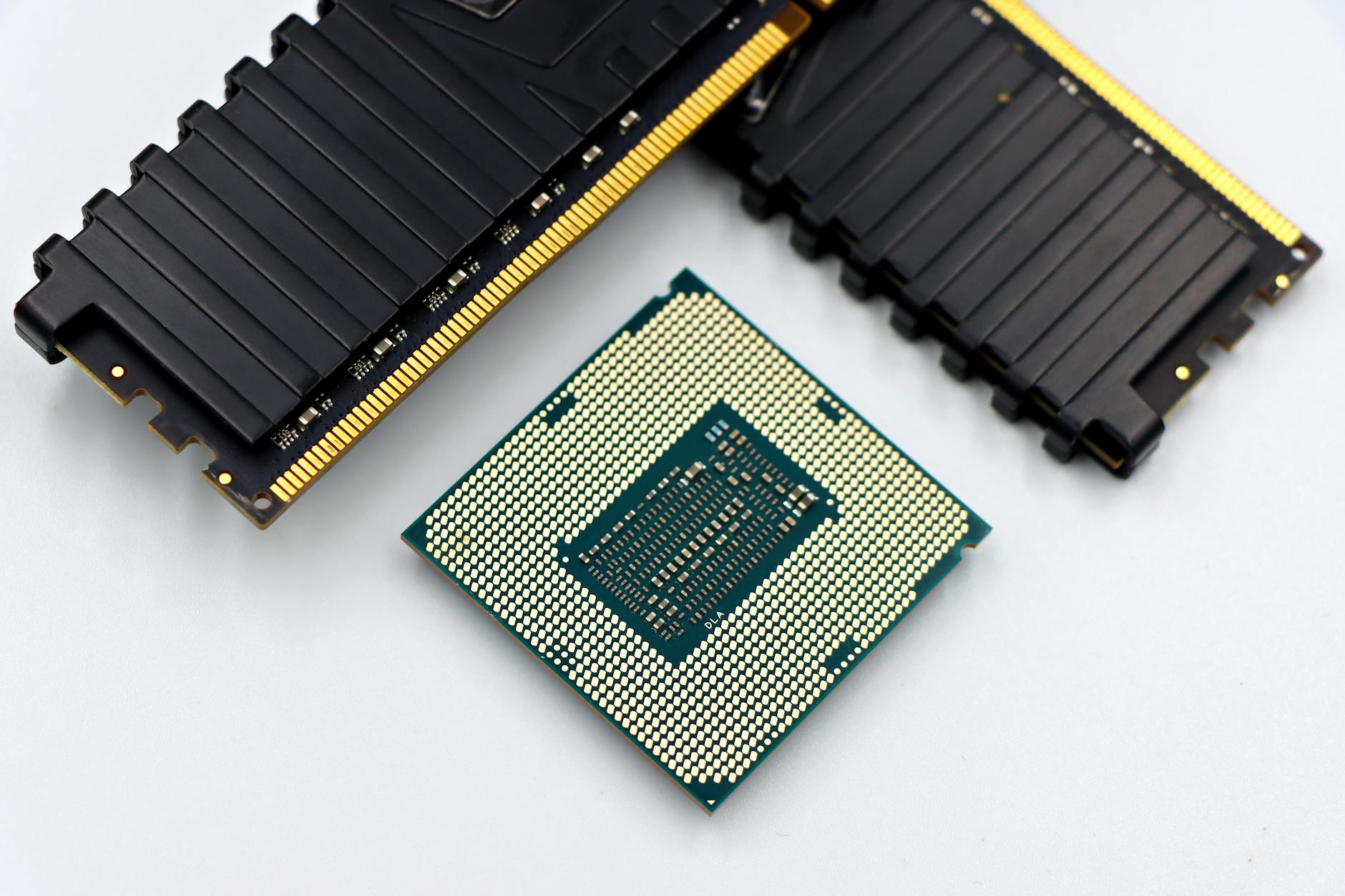
The new AI Agent Phone, codenamed 'Project Aurora', is built around a custom 6nm chip that combines a 2.8 GHz octa-core CPU with an AI accelerator capable of 10 TOPS (trillion operations per second). On the surface, this looks like a powerhouse: enough horsepower to handle multiple AI agents running simultaneously, from smart calendars to real-time language translation.
But that performance comes at a cost. The chip's design prioritizes raw speed over efficiency, meaning it will run hot and consume more battery than previous generations. Early benchmarks suggest the phone could see up to 20% more power draw during heavy AI workloads compared to today's top-tier devices. For IT teams, this translates into shorter workdays for mobile users unless they're willing to carry heavier batteries or charge more often.
Storage and memory are also pushed to their limits. The phone ships with 12GB of LPDDR5X RAM (running at 6400 Mbps) and up to 512GB of UFS 3.1 storage, but the AI agents themselves will eat into that bandwidth constantly. Background tasks—like predictive text or adaptive UI adjustments—will compete with user apps for resources, potentially slowing down everything from note-taking to video editing.
For teams already stretched thin by remote work demands, this could mean higher costs: more frequent battery replacements, shorter device lifecycles, and the need for robust power management policies. The question isn't just whether these phones can do the job—it's whether they can do it without draining budgets or user patience.
On the positive side, the phone includes features that could mitigate some of those concerns. A new adaptive cooling system with vapor chambers is designed to keep temperatures in check during prolonged AI sessions, and there's a 'power reserve' mode that limits background agent activity when battery levels drop below 20%. But these are reactive measures, not fundamental solutions.
Looking ahead, the bigger challenge may be software optimization. If AI agents become as ubiquitous on phones as they are in laptops, the industry will need to rethink how it balances performance, power, and cost. For now, IT teams should treat this generation of devices with caution—especially if they're planning to deploy them widely.
Who benefits most? Likely, power users who can tolerate shorter battery life for the productivity gains, but only if their organizations are prepared to manage the tradeoffs. For everyone else, the promise of AI agents might feel more like a burden than a boon—unless the next wave of chips finally cracks the efficiency puzzle.