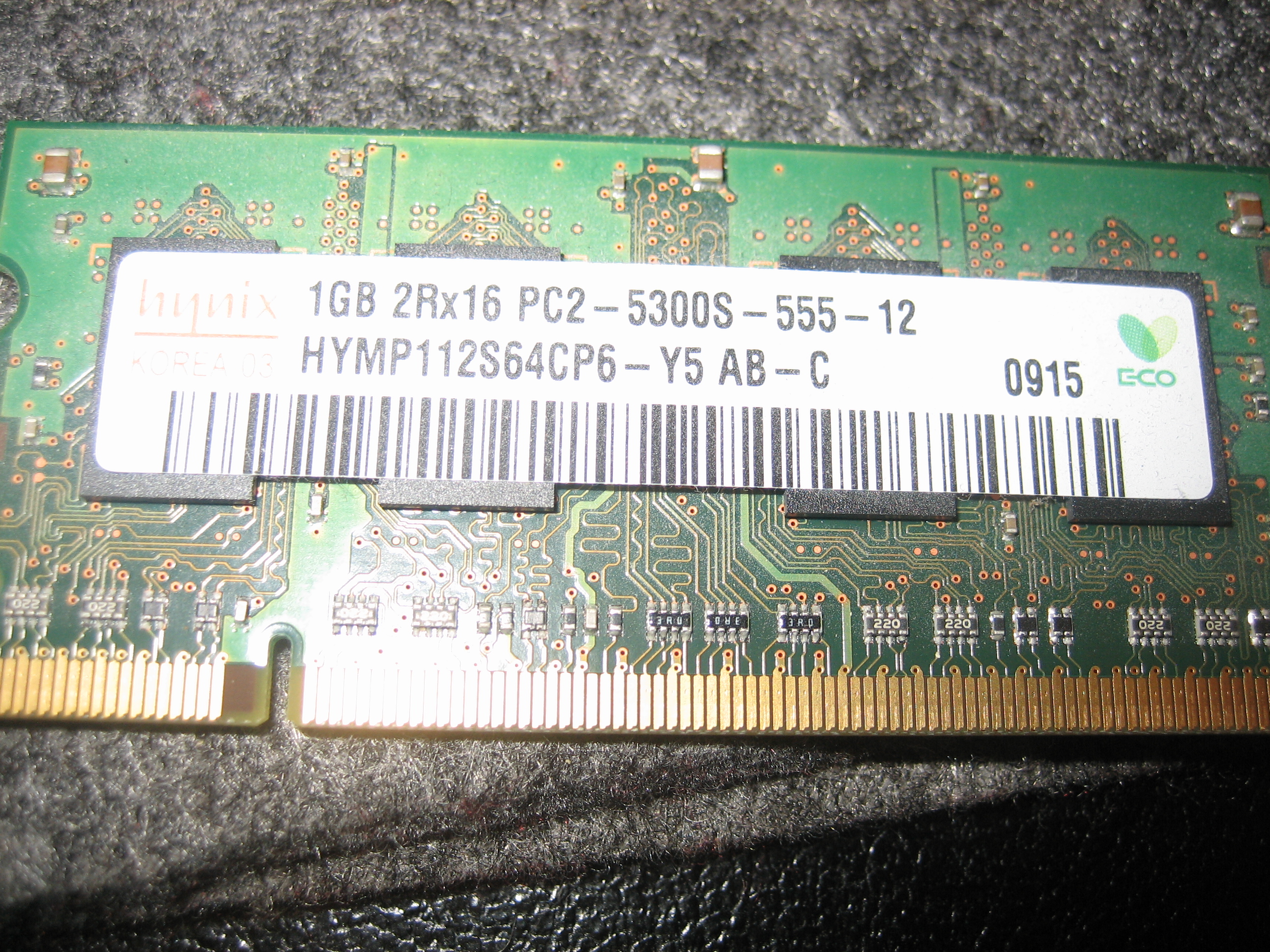
Akihabara’s Sofmap has become an unexpected magnet for old gaming rigs, offering premium buyback prices that are drawing attention from tech enthusiasts. The move comes as Japan’s PC gaming landscape grapples with both a shrinking player base and soaring hardware demand—a paradox that has left shelves nearly bare.
Sofmap’s recent shift in business strategy reflects broader challenges in the market. While global PC part shortages persist, particularly in RAM and storage, Japan presents an unusual scenario: despite having fewer gamers than a decade ago, those who remain are spending more aggressively on hardware. This economic power surge, coupled with limited manufacturer supply, has created an environment where used systems—even older models—are fetching unusually high resale values.
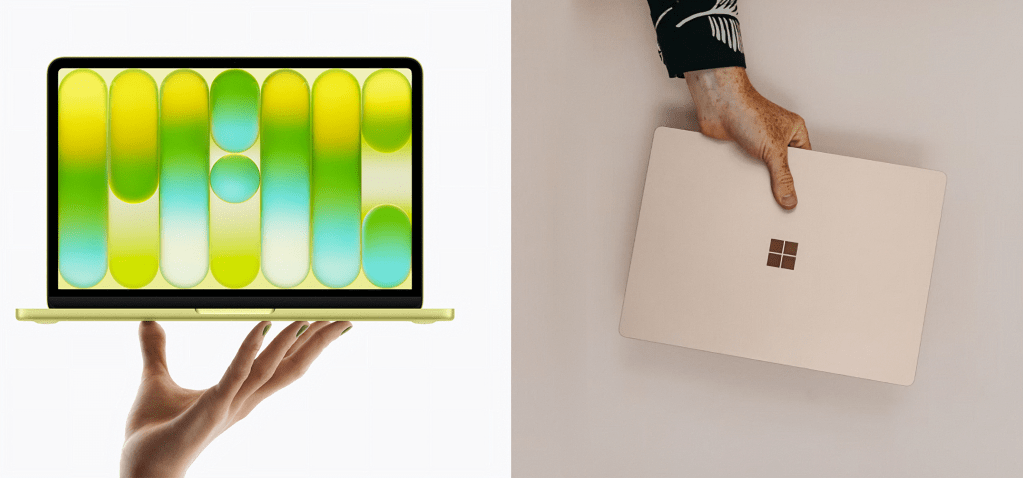
The retailer’s willingness to accept any PC, from gaming desktops to non-gaming laptops, suggests a broader market need rather than niche demand. Industry observers note that Japan’s post-Dark Souls era has seen a cultural shift, with more players embracing premium builds despite the country’s smaller gamer population. This trend, combined with global supply constraints, explains why Sofmap can afford—and justify—paying competitive prices for used hardware.
For consumers, this represents both an opportunity and a warning. While the offer is attractive, it’s unlikely to be replicated elsewhere due to Japan’s unique market conditions. Local PC shops outside Tokyo may not match these prices, leaving buyers in other regions with limited options when upgrading. The situation underscores how regional economic factors can reshape even global tech trends.
As the memory crisis continues to ripple through the industry, Japan’s PC gaming ecosystem remains a case study in contrasts: fewer players, but those who remain are spending big. For now, Sofmap is capitalizing on that dynamic—though whether the trend will last depends on how manufacturers adapt to the shifting landscape.