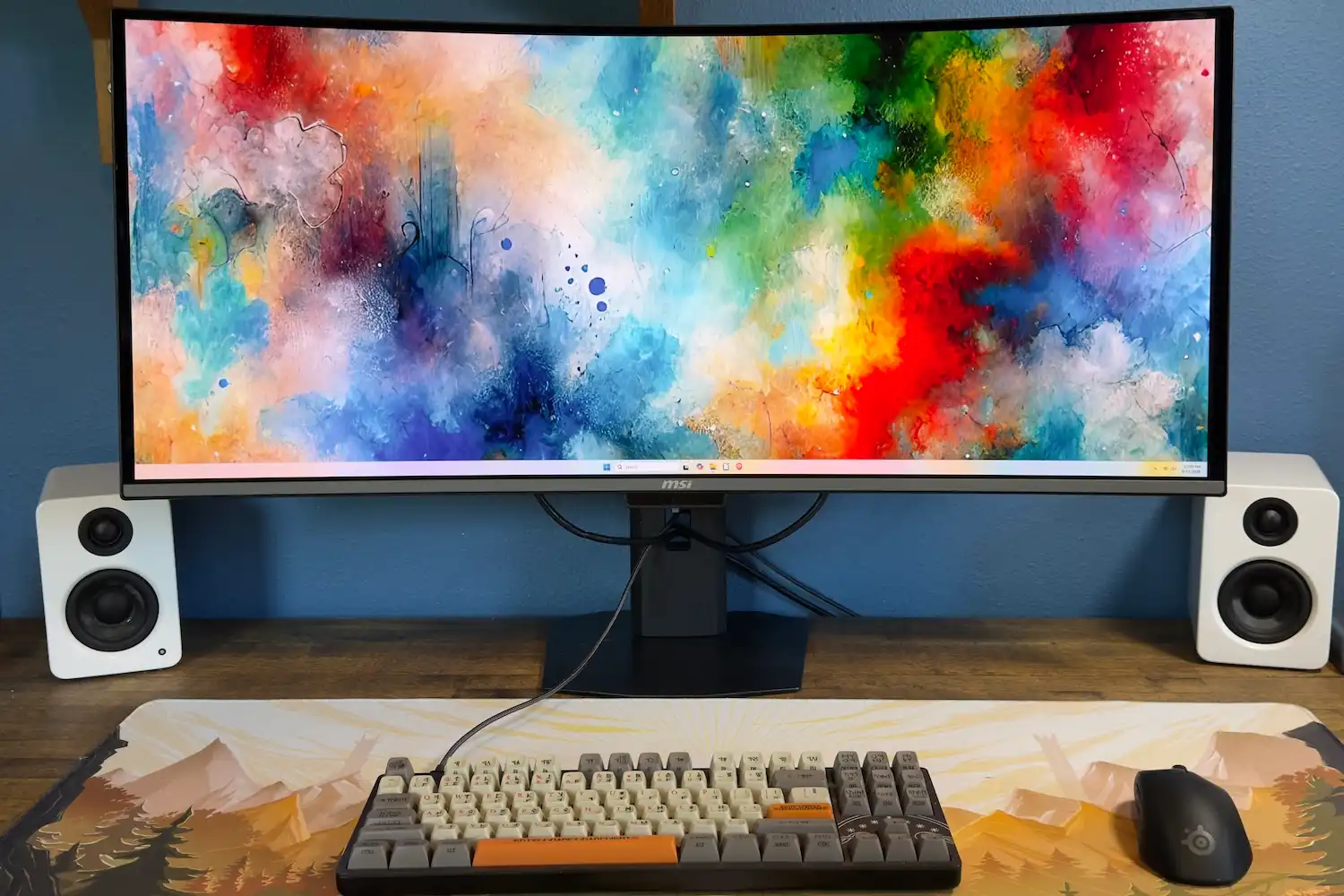
In the evolving landscape of input devices, TMR’s latest keyboard design represents a departure from conventional mechanical keyboards. By replacing traditional switches with a single touch-sensitive surface, the device achieves response times in microseconds—far surpassing the performance of existing mechanical designs. This innovation could redefine how keyboards are engineered, particularly in environments where speed and power efficiency are paramount.
Unlike conventional keyboards that rely on discrete switches, TMR’s design eliminates moving parts entirely. This not only reduces power consumption by up to 70% but also minimizes heat output, making it an attractive option for data centers or high-density computing setups. The absence of mechanical components also eliminates concerns about switch wear or debris accumulation, which could extend the keyboard’s lifespan in demanding conditions.
Where It Excels
The touch-sensitive surface registers key presses in under 0.5 milliseconds, significantly outperforming traditional mechanical switches that typically range from 1 to 3 milliseconds. This level of precision is particularly valuable in applications like competitive gaming or high-frequency data entry, where even microsecond delays can impact performance. However, the tradeoff lies in the learning curve for users accustomed to the tactile feedback of mechanical keyboards.

Key Considerations
- Response times are under 0.5 milliseconds, compared to 1–3 milliseconds for conventional switches.
- Power consumption is up to 70% lower than traditional keyboards, with negligible heat output.
- The lack of moving parts eliminates switch wear and debris buildup but may affect long-term durability in heavy-use scenarios.
For IT teams evaluating this technology, the primary challenge will be balancing immediate performance gains against potential long-term usability concerns. While the keyboard’s speed and efficiency are compelling, its adoption may depend on how well it adapts to real-world usage patterns—particularly in environments where precision is critical but power constraints are tight.
Future Outlook
TMR’s approach is still in its early stages, and its viability as a mainstream replacement for mechanical keyboards remains uncertain. Success will likely hinge on rigorous testing in controlled environments, particularly those where speed and efficiency are non-negotiable. If it proves reliable, this design could mark a significant shift in keyboard engineering; otherwise, it may remain a specialized solution for niche applications.