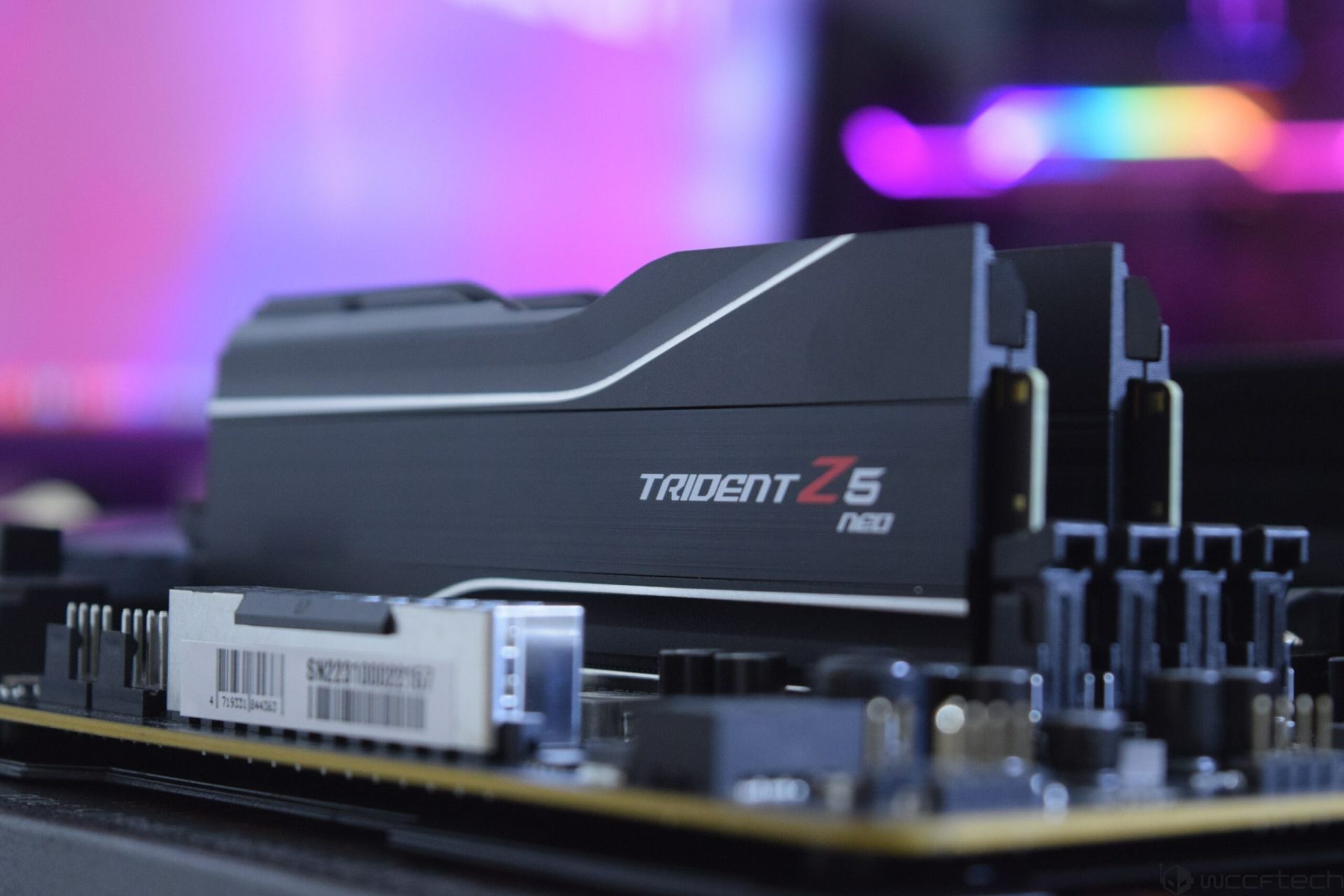
The demand for DDR5 memory has reached a breaking point, with prices soaring to levels that even seasoned PC enthusiasts find difficult to justify. Amidst this turmoil, a single modder in Russia has achieved what many would consider impossible: building a functional 32 GB DDR5 module from scratch. The feat not only underscores the severity of the memory shortage but also hints at potential long-term shifts in how RAM is sourced and sold.
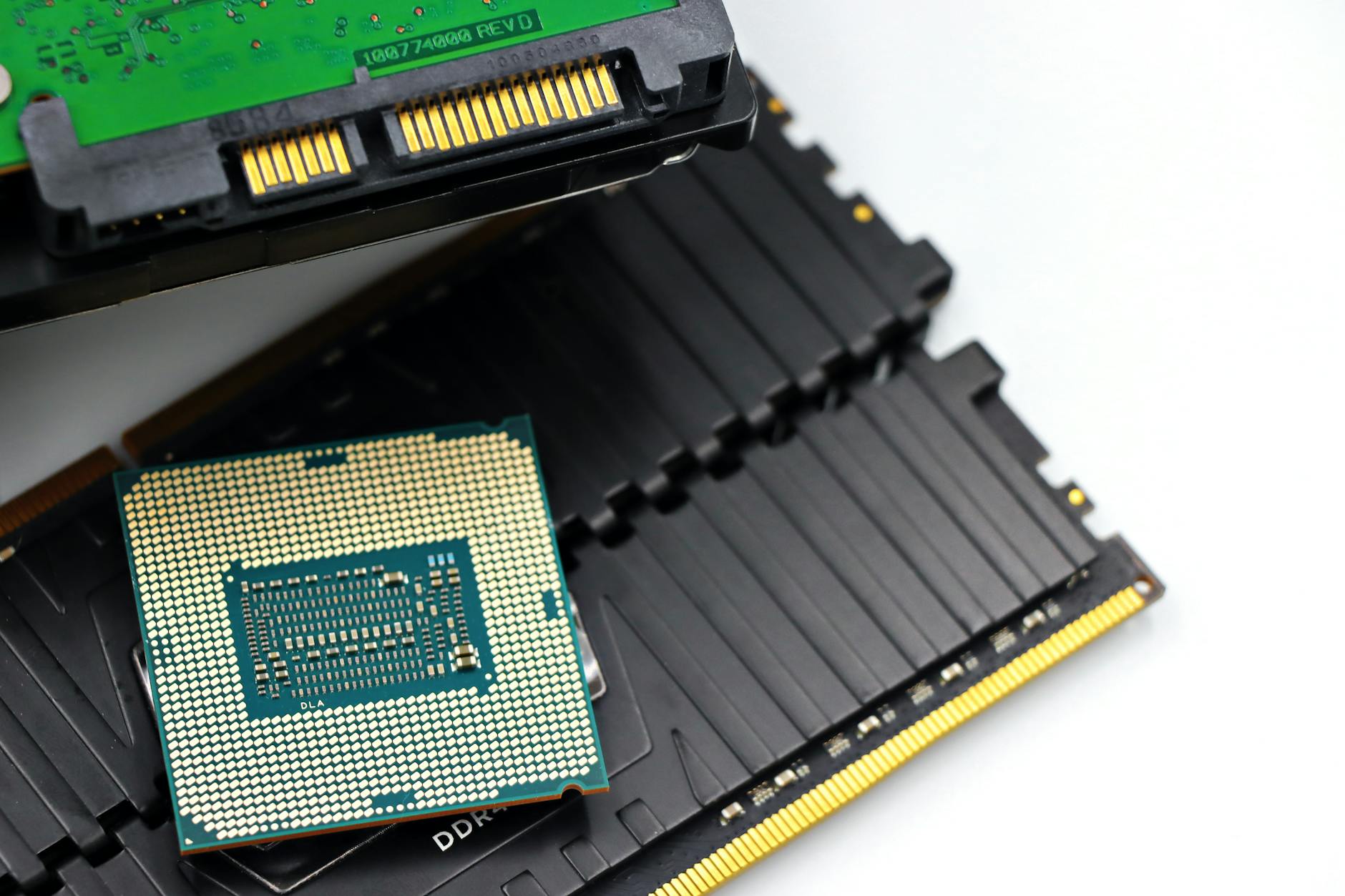
At the heart of this DIY endeavor lies a clever workaround to bypass the exorbitant costs of retail DDR5 modules. The process begins with salvaging functional 16 GB DDR5 SODIMM chips, typically found in laptops, and repurposing them onto a custom PCB designed to house all 32 GB on a single desktop DIMM. The total cost for this build was a mere $218—a fraction of the retail price for comparable modules in Russia, where 32 GB DDR5 sticks can fetch upwards of $600 or more.
From Laptops to Desktops: A Radical Approach
The modder, known online as VIK-on, didn’t stop at cost savings. They also explored the feasibility of using even cheaper 8 GB modules as a source for memory chips. However, the transition proved tricky due to differences in chip packaging, which complicated the assembly process. This hurdle highlights one of the many challenges faced by those attempting similar projects: not all components are interchangeable, and compatibility is key.
Beyond the physical construction, the mod also required a deep understanding of memory firmware. VIK-on opted for an ADATA firmware with a 6400 CL32 XMP profile, ensuring stability and performance on par with commercial-grade DDR5 modules. While the exact chip used for this firmware remains unclear, its inclusion demonstrates that even the most intricate aspects of RAM development can be tackled with the right expertise.

Market Implications: A Glimpse into the Future
The success of this DIY project raises intriguing questions about the current state of the memory market. If individuals can assemble high-capacity DDR5 modules at a fraction of retail prices, it suggests that there is significant room for cost optimization in the supply chain. This could pave the way for commercial ventures to emerge, where redundant or surplus memory chips are harvested and repurposed into custom modules tailored to meet demand.
However, experts caution that such a shift alone may not drastically reduce prices. The underlying issues—supply chain bottlenecks, manufacturing constraints, and global economic pressures—remain unresolved. Yet, the existence of this mod serves as a stark reminder that innovation often thrives in adversity. If the memory crisis persists, we may see more DIY solutions surface, challenging traditional retail models and forcing manufacturers to rethink their strategies.
Looking Ahead: Stability or Further Turmoil?
The story of VIK-on’s homemade DDR5 module is more than just a curiosity; it’s a microcosm of the broader challenges facing the PC industry. While it may not be practical for most consumers, it underscores the urgency of addressing memory shortages before they become a permanent fixture in hardware pricing. For now, the mod stands as a testament to ingenuity in the face of scarcity—a small but significant step that could influence how we think about RAM in the years to come.