For PC builders, the Steam Machine represents both an opportunity and a cautionary tale. On one hand, it promises a new way to experience gaming—consolidated hardware, optimized software, and a price point that could undercut high-end desktops. On the other, whispers of delayed launches, aging internals, and unproven performance have left many skeptical.
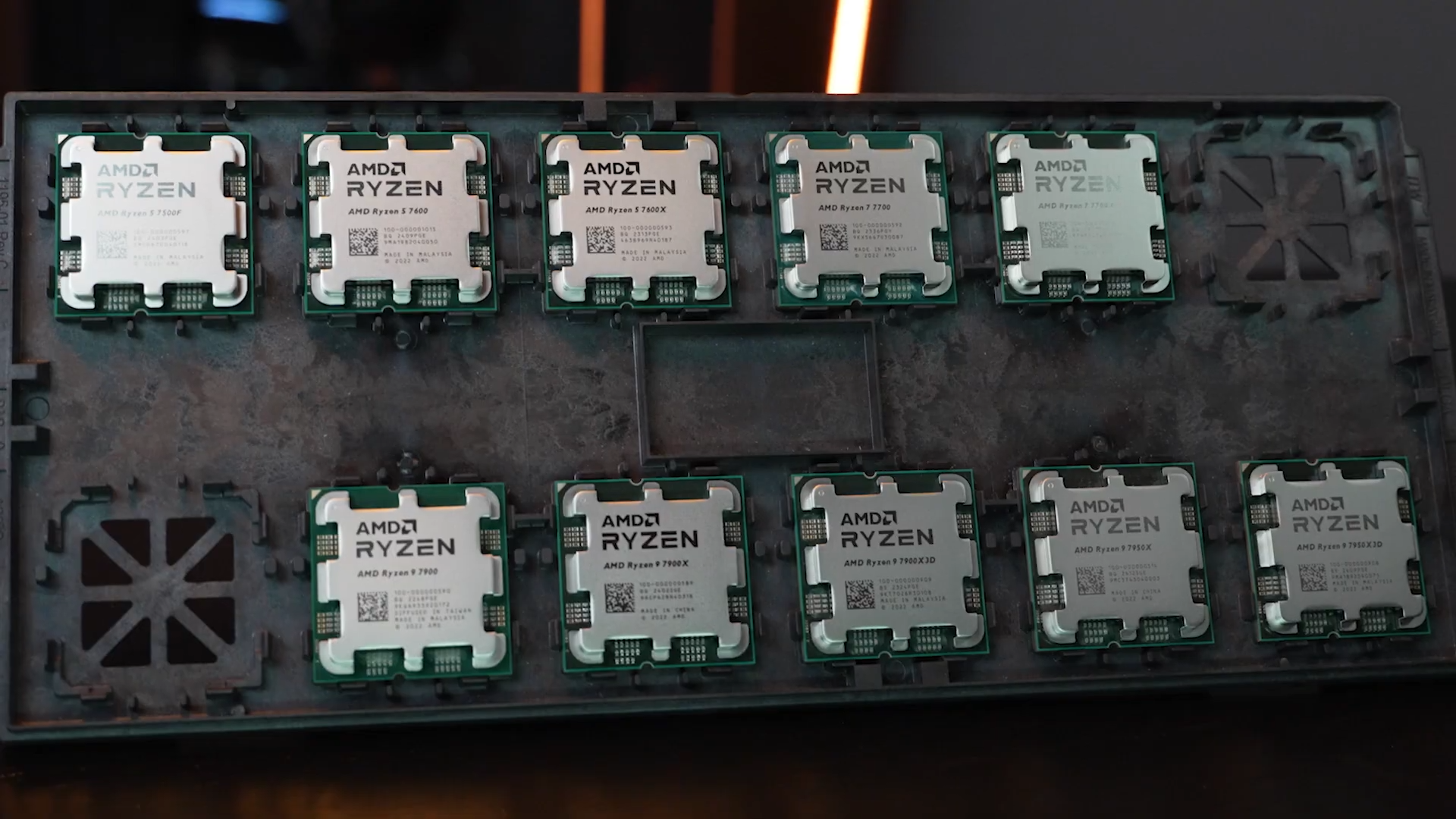
Now, a leaked benchmark from Geekbench 6 hints at what may be coming: a six-core Zen 4 CPU paired with an RDNA 3 GPU, likely a Navi 33 variant. The multicore score of 7,316 and single-core score of 2,334 are modest by today’s standards, but the real mystery is how this hardware will translate into gaming performance—and whether it can justify its place in the market.
At a Glance
- CPU: Six-core Zen 4 (no E-cores mentioned)
- GPU: RDNA 3, estimated to match an RX 7600 (~50% faster than Intel’s iGPU in the Core Ultra X7 358H)
- VRAM: 8 GB
- Target Resolution: Upscaled 4K at 60 FPS with ray tracing and FSR support
- OS: SteamOS (tailored, not a traditional desktop OS)
The absence of E-cores is notable. Unlike mainstream PCs, the Steam Machine is designed for gaming-first efficiency, but this could limit multitasking or productivity use cases. Meanwhile, 8 GB of VRAM is generous by console standards but may feel restrictive when compared to modern GPUs like the RTX 5090 (16 GB) or RX 7600 (12 GB).
Performance in Context
When placed against current hardware, the Steam Machine’s leaked scores are unremarkable. The Intel Core Ultra X7 358H, for example, scores significantly higher in both single and multicore tests, reflecting its broader use-case optimization. Yet, gaming performance is not always tied to raw CPU benchmarks—especially with a dedicated GPU.
The RDNA 3 GPU’s estimated performance (around that of an RX 7600) suggests it could handle upscaled 4K content well, but ray tracing and FSR support will be critical in determining its longevity. If Valve’s claims hold, this hardware could deliver 60 FPS in demanding titles—a feat that would position the Steam Machine as a mid-range contender. However, without knowing the price or real-world frame rates, it’s hard to gauge whether this is a step forward or a misstep.
What’s Still Unknown
The biggest unknown remains the platform’s value proposition. If priced aggressively, the Steam Machine could carve out a niche for gamers who prioritize simplicity and cost over raw power. But if it lands at a premium, it risks becoming an expensive curiosity—a lesson from Valve’s past with the Steam Deck.
For PC builders, the Steam Machine is less about replacing desktops than offering an alternative path for those who want to game without the hassle of high-end components. Whether that path proves viable will depend on how Valve balances performance, pricing, and software optimization in its final form.