Desktop environments rarely thrive on revolutionary leaps, but KDE Plasma 6.7 demonstrates how steady refinement can yield meaningful progress. This iteration of the open-source desktop experience prioritizes subtle enhancements that address real-world pain points for Linux users—whether in color accuracy, system responsiveness, or daily usability.
At its foundation, Plasma 6.7 introduces simultaneous HDR and ICC profile support, a dual-mode capability that seamlessly integrates professional-grade color management with everyday tasks. This eliminates the need to switch between workflows, ensuring visual consistency for users who work across media creation and consumption. The update also strengthens Wayland protocol integration, resolving lingering compatibility issues while expanding portal functionality—a critical step toward full parity with X11 setups.
Performance and Customization: Subtle but Impactful
The most noticeable changes in Plasma 6.7 are found in performance optimizations, particularly for systems equipped with Intel integrated graphics. These tweaks promise smoother operation without compromising battery efficiency, addressing a long-standing concern for users on mobile or low-power hardware. On the theming front, the new Union system offers a unified approach to customization, allowing CSS-based styling across Plasma components, QtQuick apps, and QtWidget elements—though its adoption may be gradual due to its experimental nature.
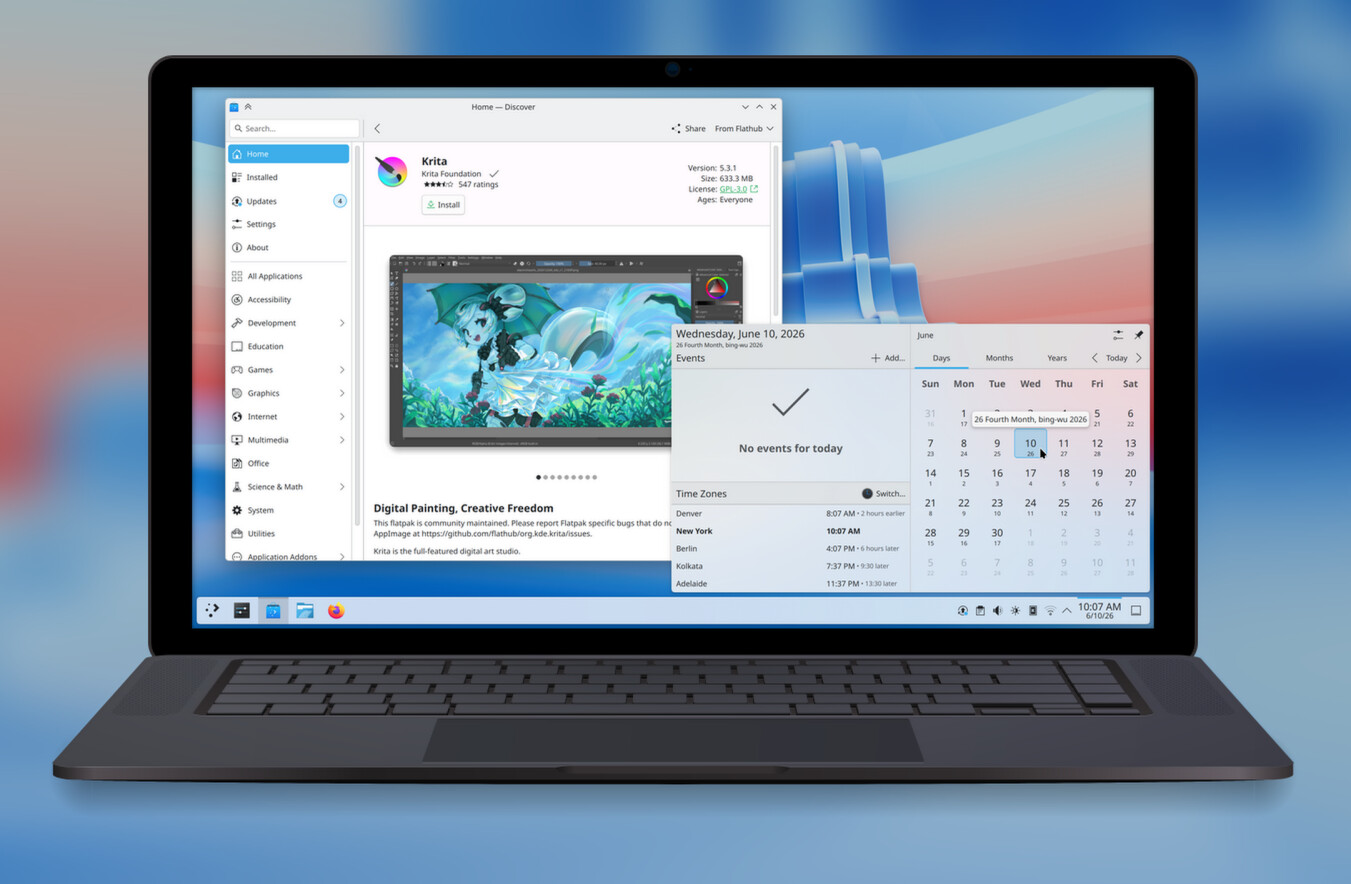
- Color management now supports simultaneous HDR and ICC profiles for seamless workflow transitions.
- Wayland protocol integration receives significant improvements, with expanded portal support addressing long-standing compatibility gaps.
- Performance optimizations target Intel iGPUs, balancing smoother operation with power efficiency.
- The Union theming system enables CSS-based customization across multiple components, though real-world adoption remains uncertain.
User interface refinements further highlight the release’s focus on practicality. A global night mode toggle simplifies accessibility settings, while drag-and-drop functionality for Application Menu and Launcher widgets reduces friction in daily tasks. Enhanced system tray features—such as print queue indicators—minimize clutter without sacrificing essential information, demonstrating how small adjustments can improve usability without disrupting established habits.
A Balanced Approach to Upgrades
Unlike some desktop releases that introduce disruptive changes, Plasma 6.7 maintains a conservative approach to evolution. It doesn’t redefine what a desktop environment should be but instead refines existing functionality, making it an appealing choice for users already invested in the KDE ecosystem. For those considering an upgrade, the decision hinges on specific needs: color accuracy for media work, Wayland stability, or theming flexibility.
The Union system, while promising, remains unproven in widespread use, so its long-term adoption is worth monitoring. Meanwhile, users relying on NVIDIA GPUs may still encounter minor regressions, though the release avoids breaking changes that could complicate transitions for existing setups. Ultimately, Plasma 6.7 serves as a reminder that progress in desktop environments doesn’t always require radical innovation—sometimes, it’s about perfecting the details.