The iPhone 18’s most striking feature isn’t its design—it’s the shift in how Apple handles AI processing on-device. The new chipset is built around a more efficient neural engine, promising faster Siri responses and smarter background learning without draining battery life. But whether that translates into meaningful efficiency gains for IT teams—or just heat—remains an open question.
Under the hood, the iPhone 18’s chipset (likely an A-series or M-series variant) is expected to pack more CUDA cores and a larger memory bandwidth than its predecessor. The exact specs are still under wraps, but leaks suggest
- Chipset: Next-generation Apple silicon with improved AI acceleration
- Memory: 8GB LPDDR5X (up from 6GB in the iPhone 17)
- Storage: 128GB base model, up to 1TB
- Display: 6.1-inch Super Retina XDR with ProMotion (120Hz)
- Cameras: Dual 48MP + 12MP system with improved computational photography
- Connectivity: 5G, Wi-Fi 7 support
The jump to 8GB of RAM is notable—Apple has historically avoided this for iPhones, likely to keep costs in check. But for IT teams managing fleets, the extra memory could smooth out multitasking under heavy AI workloads. The real test will be how much heat this setup generates when pushing Siri or third-party AI apps.
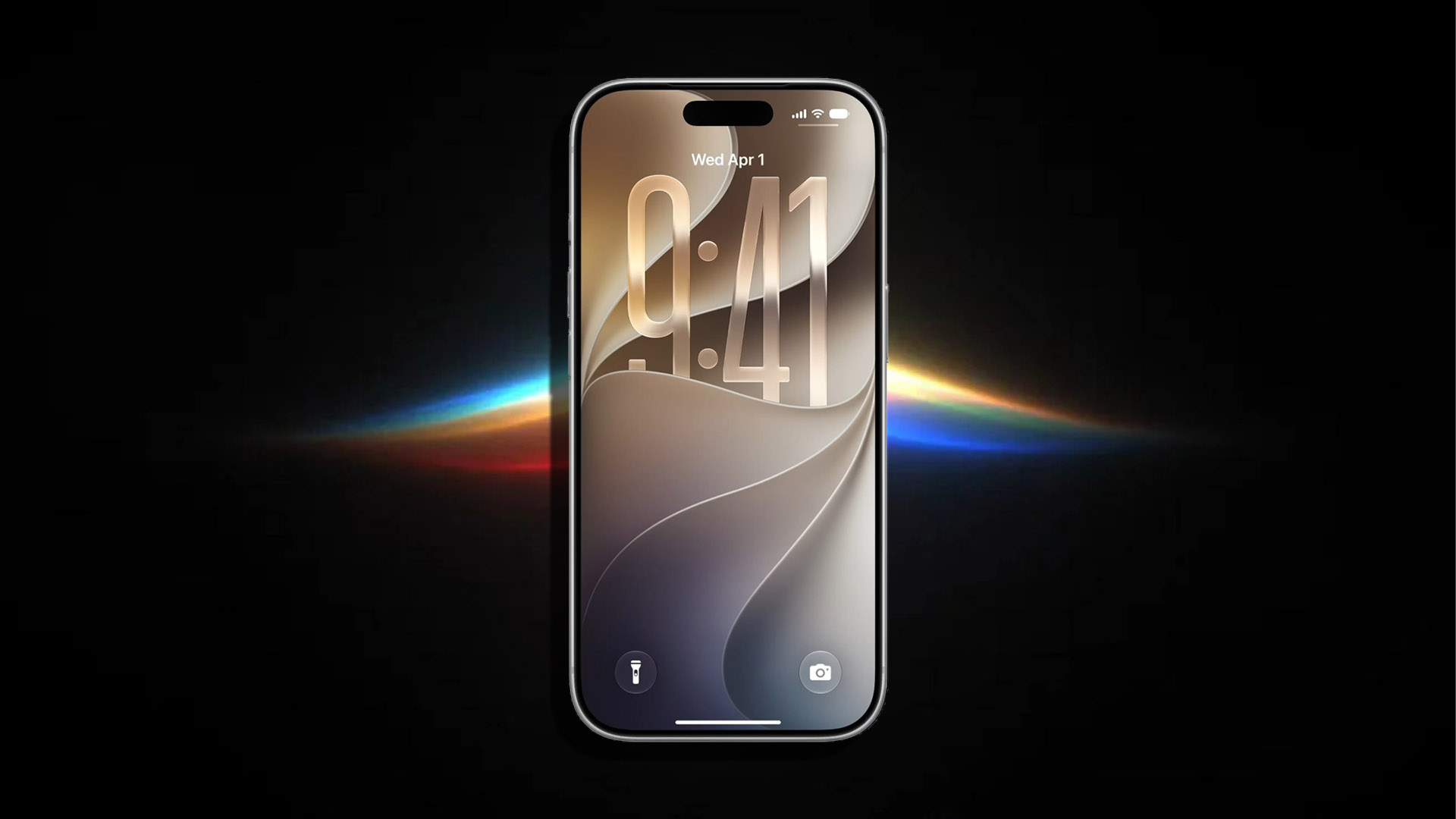
Apple’s focus on efficiency is nothing new, but the iPhone 18’s neural engine appears to be a step forward in balancing performance and thermal throttling. If the chipset can sustain higher clock speeds without overheating, it could redefine what’s possible for on-device AI. For now, buyers will need to wait for benchmarks to see if the trade-offs are worth the upgrade.
As for pricing and availability, Apple has yet to confirm details, but past patterns suggest a premium over the iPhone 17—likely starting around $800. Whether that price reflects real value depends on how much AI becomes a daily necessity rather than a convenience.