A new wave of laptops is hitting the market, but not all changes are welcome in enterprise IT departments. Soldered RAM, once a niche feature, is now appearing in mainstream models, promising performance gains but at a cost that extends far beyond the sticker price.
The decision to solder RAM onto the motherboard eliminates one moving part and can improve thermal efficiency, but it also locks buyers into a fixed memory configuration. For enterprises that prioritize longevity and scalability, this could mean higher operational costs over time—especially if future workloads demand more memory than initially allocated.
Performance vs. Practicality
On paper, soldered RAM offers advantages: no slots to fail, better heat dissipation, and a cleaner design. But in practice, the implications for enterprise buyers are less clear-cut. Laptops like those based on Intel’s 14th-generation Core processors or AMD’s Ryzen 7040 series often ship with soldered RAM as standard, leaving IT teams with limited options to upgrade.
- Soldered RAM is fixed at manufacturing and cannot be replaced or expanded later.
- Enterprises may need to repurchase entire systems if memory demands grow beyond initial allocations.
Supply Chain and Lifecycle Costs
The shift toward soldered RAM reflects broader supply chain trends, where component shortages have pushed manufacturers toward more integrated designs. While this can reduce production complexity, it also complicates lifecycle planning for IT departments. A laptop that starts with 16 GB of soldered RAM might be perfectly adequate today but could become a bottleneck in two years if software requirements increase.
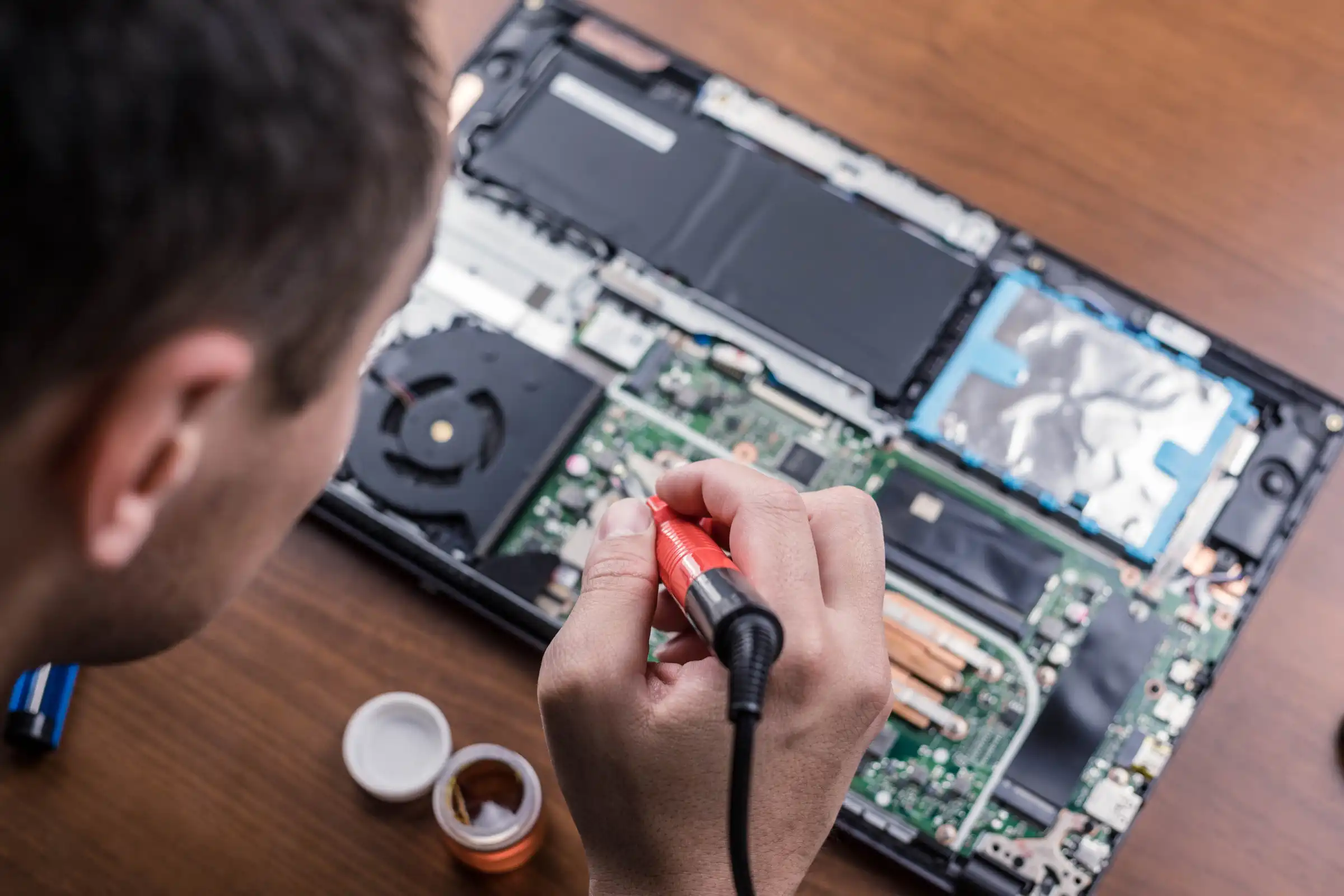
Consider the math: a mid-range business laptop with soldered 32 GB RAM might cost $1,500 upfront, but if an enterprise needs to replace it after three years because the memory is insufficient for new applications, the true cost could double or triple over its lifespan. This is a far cry from the flexibility of traditional SO-DIMM modules, where adding 32 GB later is as simple as popping open the chassis and swapping components.
What’s Confirmed—and What’s Not
The trend toward soldered RAM is confirmed in high-end enterprise laptops, but its long-term impact remains uncertain. Some vendors offer configurations with both soldered and socketed RAM, though these are often pricier. The question for IT leaders isn’t just about performance today—it’s about predicting future needs without overpaying or under-provisioning.
For now, enterprises that require maximum flexibility should still prioritize laptops with upgradeable memory slots. But for those in stable environments where software demands are predictable, soldered RAM could offer a sleek, reliable alternative—if the hidden costs of inflexibility don’t outweigh the benefits.