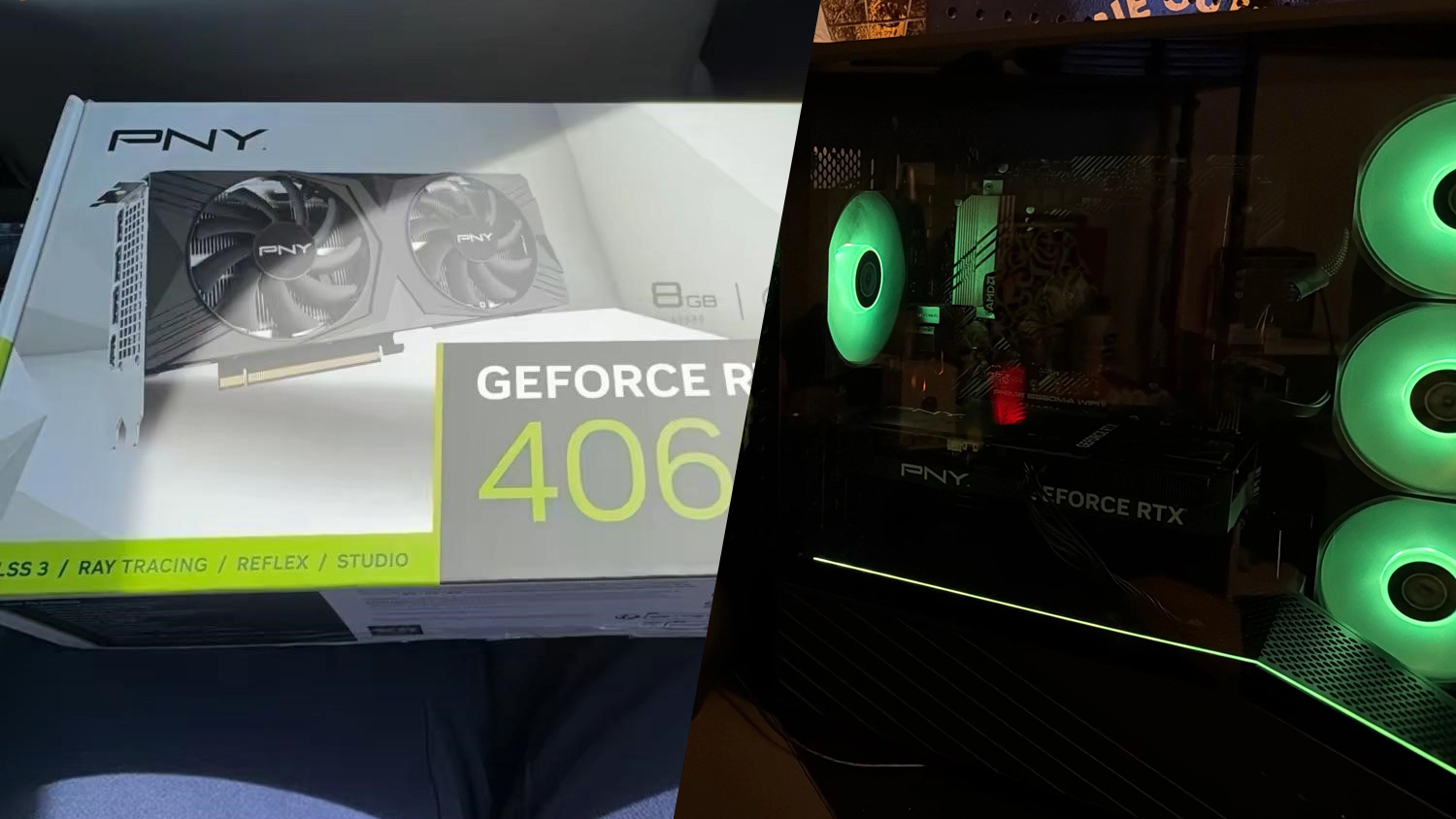
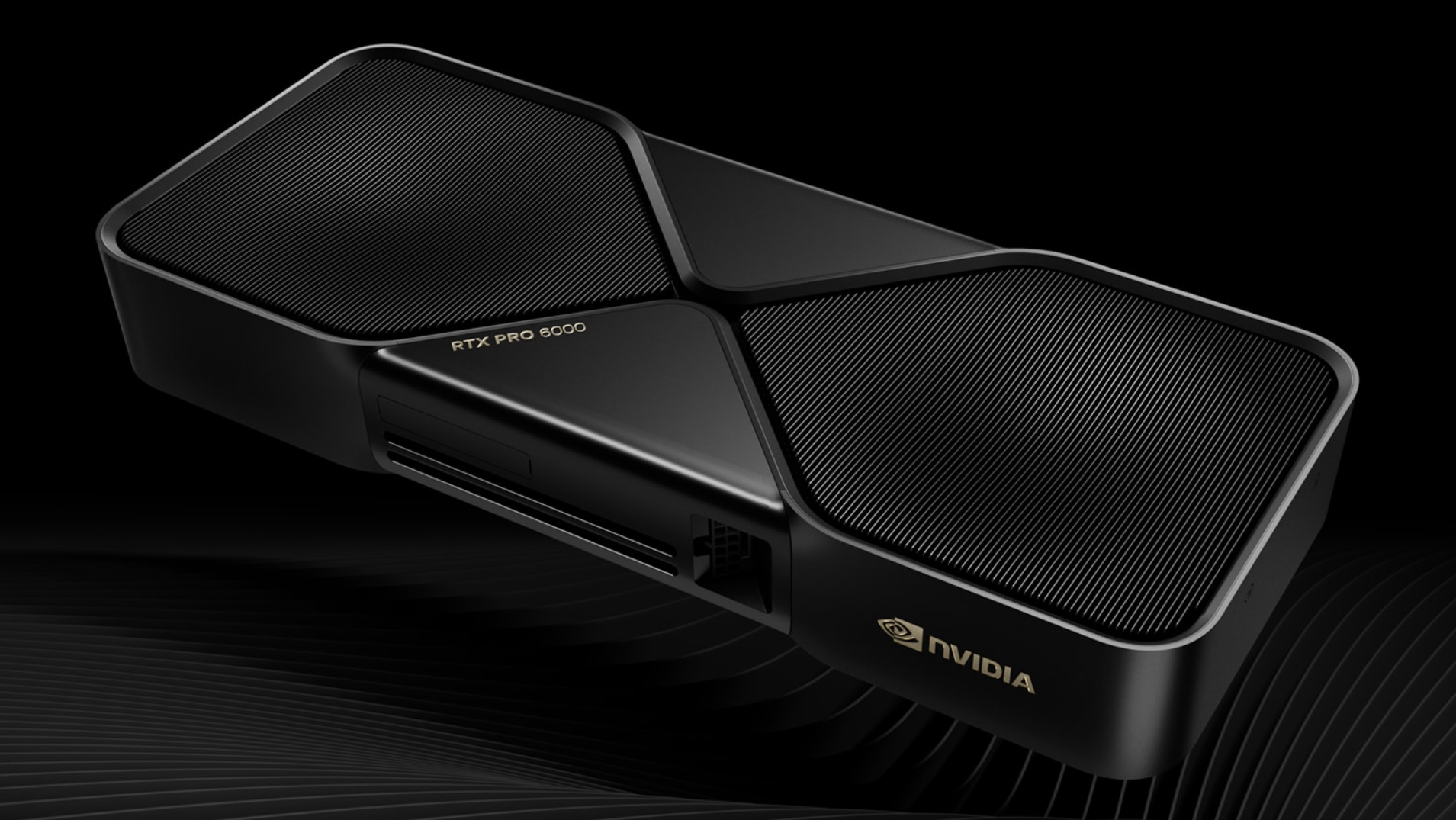
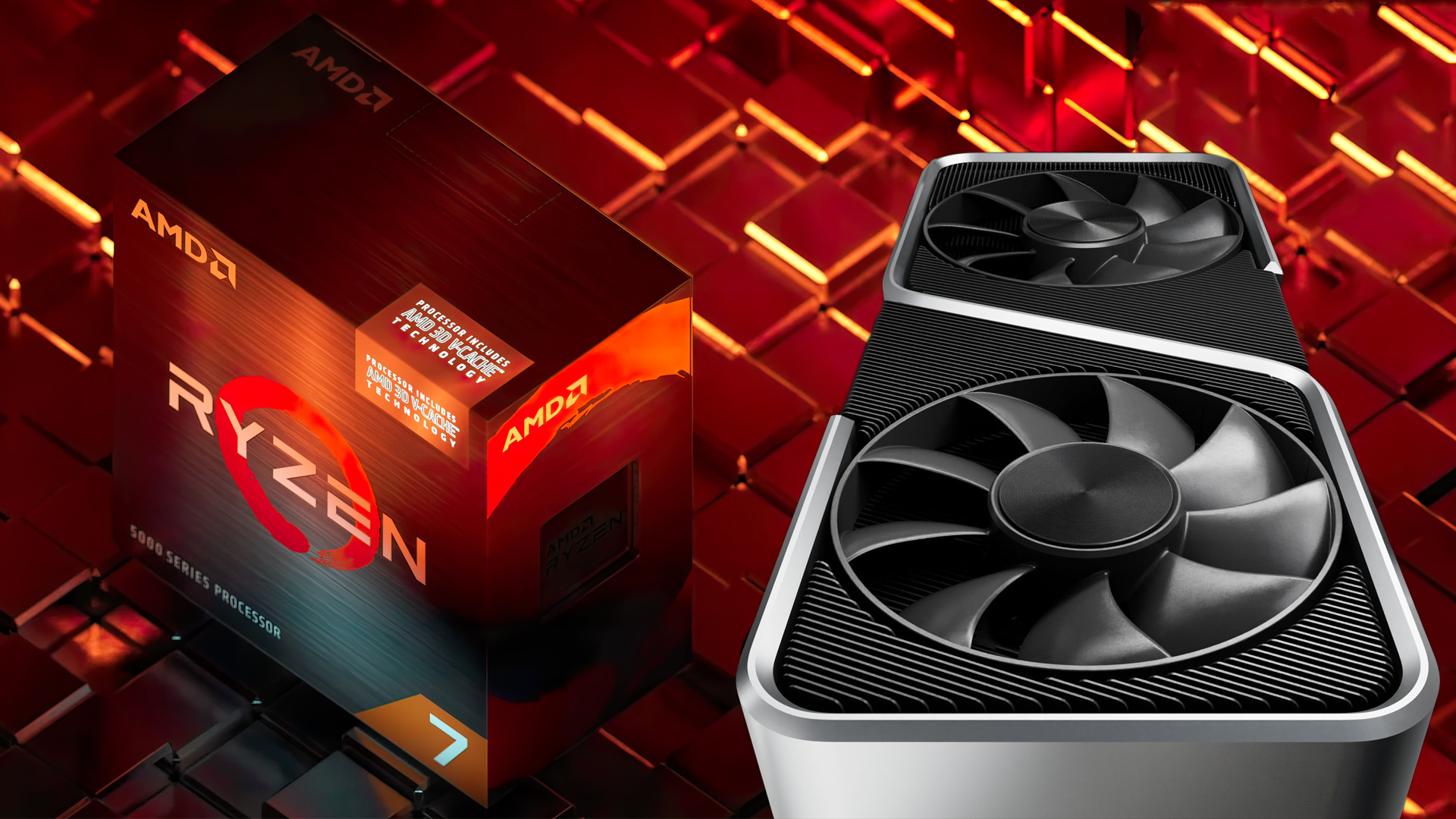
Gaming hardware is undergoing a transformation, one that extends beyond traditional console designs and into the realm of high-performance desktops. AMD's latest GPU lineup, which includes the RTX 5090 and RX 9070 XT, signals a significant shift in how memory and processing power are integrated into gaming systems. This change is not just about raw performance; it's about redefining the balance between cost efficiency and cutting-edge capabilities.
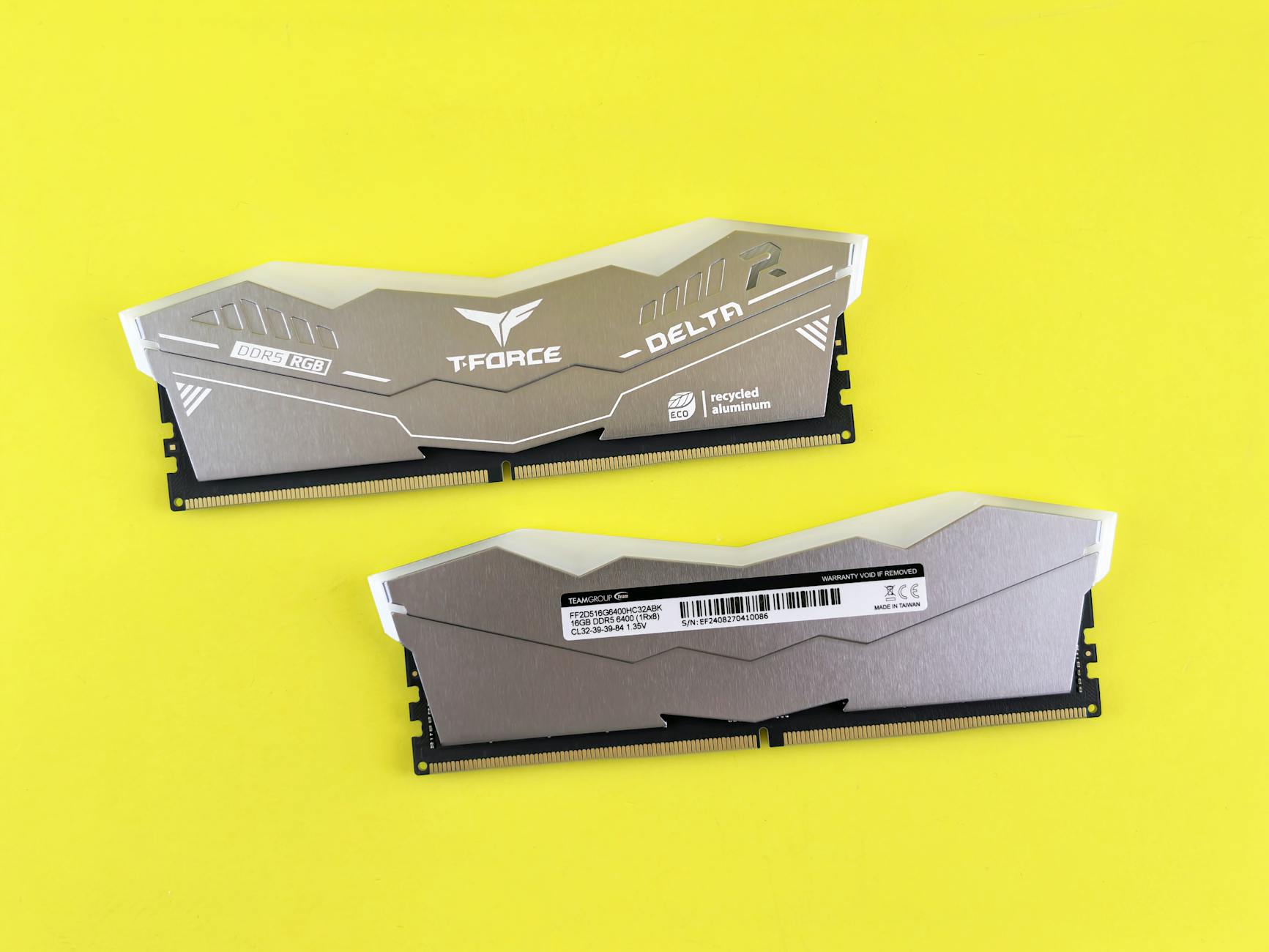
At the heart of this transformation is AMD's move away from shared-memory architectures like RDNA 3, which have been a staple in mobile chips for years. Instead, the company is embracing dedicated VRAM solutions, a hallmark of high-performance desktops. This shift is evident in the reported specs of the RTX 5090 and RX 9070 XT, which feature 8 GB GDDR6 memory paired with 16 GB DDR5 system memory. This configuration suggests a new standard for gaming workstations, one that prioritizes performance without sacrificing cost efficiency.
The impact of this shift is already being felt in the industry. For small businesses relying on gaming workstations, the decision to upgrade becomes more nuanced. The RTX 5090 and RX 9070 XT's specs align with high-end desktop configurations, offering the kind of performance that can handle demanding workloads, including 4K gaming at 60 FPS with ray tracing. However, the lack of Secure Boot or online gaming capabilities raises operational cost concerns, particularly for environments requiring certified hardware.
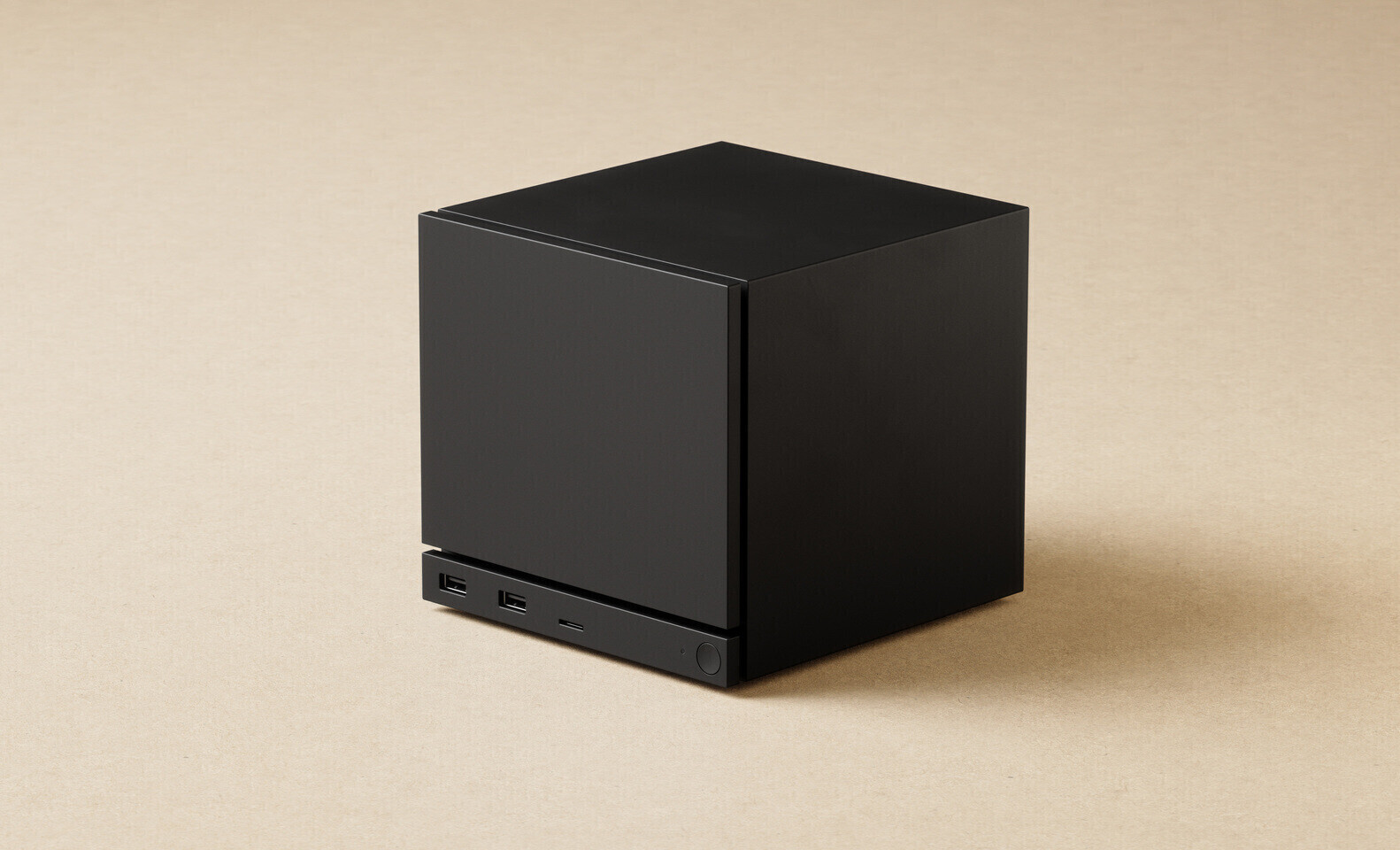
AMD's latest GPUs also introduce several performance improvements, such as reduced input latency and optimized graphics drivers with stability fixes. Support for HDMI 2.1 further positions these GPUs for demanding workloads, including those that require VRR compatibility. Yet, the exact timing of their release remains unclear, leaving buyers to weigh whether to invest in existing hardware or wait for potential performance gains.
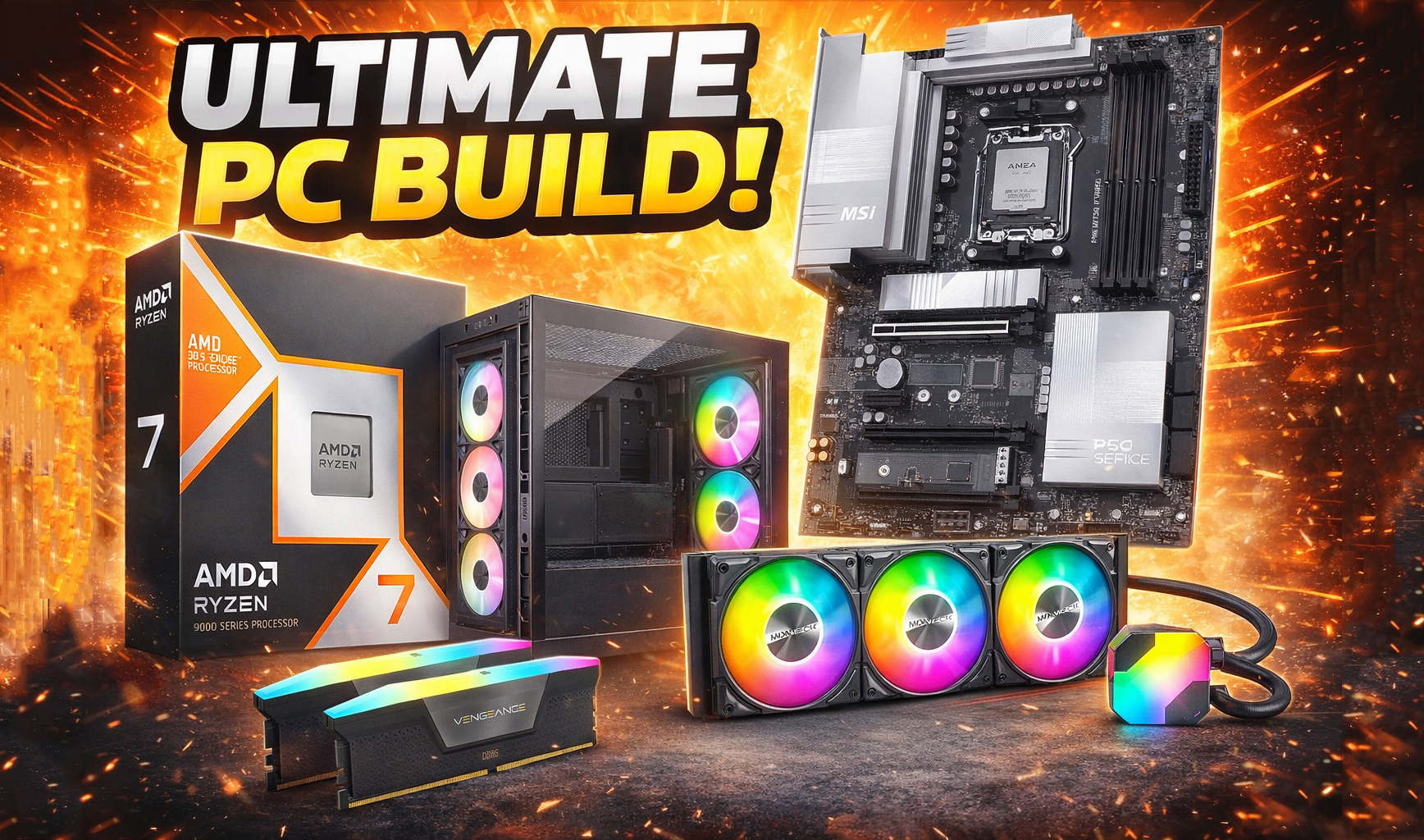
For businesses, the decision hinges on balancing immediate needs against long-term flexibility. The RTX 5090 and RX 9070 XT's compatibility with recent AMD platforms, including Zen 4 CPUs, suggests broader adoption. However, the absence of a clear roadmap may delay adoption until more details emerge.
As gaming hardware continues to blur the line between desktop and console, AMD's new GPUs could set a new standard for performance and cost efficiency. For now, buyers must navigate uncertainty while monitoring AMD's next moves in this space. The shift towards dedicated memory solutions is not just about raw power; it's about redefining what's possible in gaming hardware.