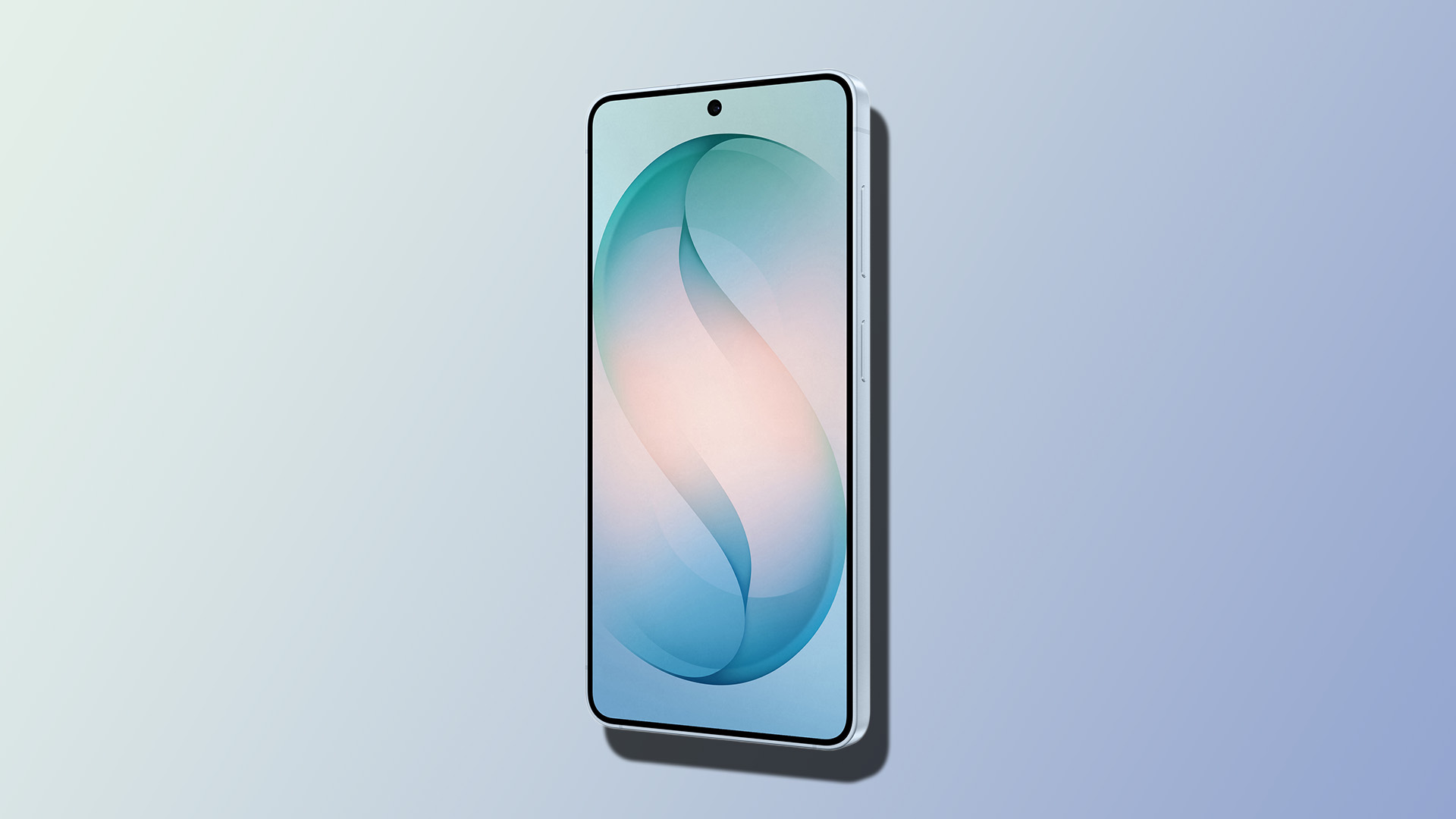
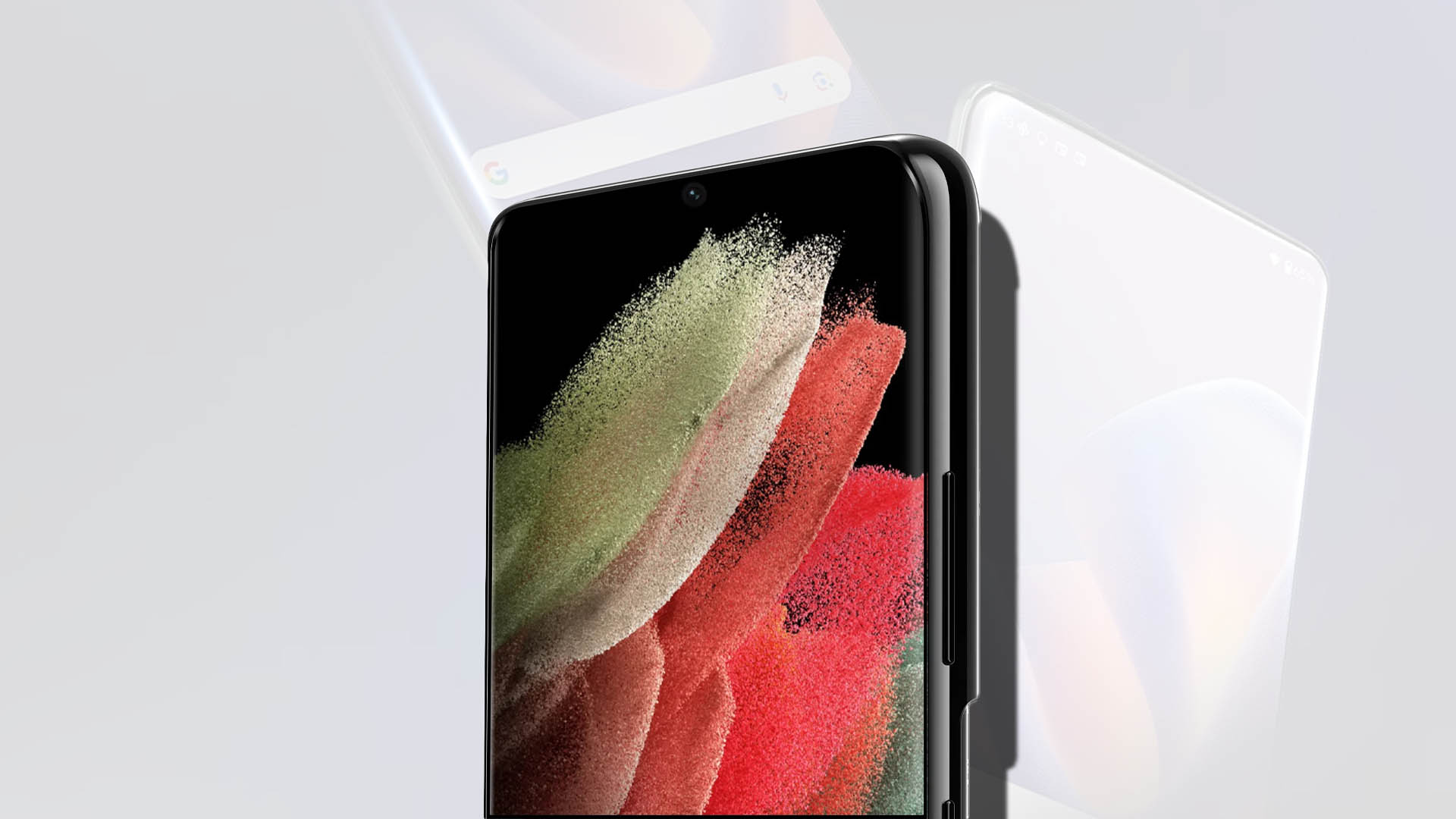
Smartphone displays have long been a battleground for innovation, but Samsung is now positioning itself to challenge Apple’s dominance—not with flashy announcements, but through steady technological progress. The latest development centers on a display technology that shares striking similarities with Apple’s iPhone lineup, particularly in how it handles brightness and efficiency.
Unlike Apple, which has aggressively pushed its own stack—including custom silicon and software optimizations—Samsung is taking a more measured approach. Its focus appears to be on refining existing strengths while addressing long-standing criticisms about power consumption and heat management under heavy workloads. The result could be a display that not only rivals Apple’s in performance but also sets new benchmarks for sustainability.
Key specs
- Display type: Likely an LTPO OLED with adaptive refresh rates (1Hz–120Hz)
- Brightness: Estimated peak of 2,000 nits outdoors, with HDR enhancements
- Efficiency: Improved power management, targeting 30% lower energy use in high-brightness scenarios
- Software integration: Tight coupling with Samsung’s Exynos chips for optimized performance
The most notable shift is in how Samsung is handling brightness. While Apple’s iPhone has pushed toward 2,000 nits for outdoor visibility, Samsung’s approach seems to prioritize efficiency—aiming for the same luminosity but with significantly less heat generation. This could be a game-changer for users who run demanding apps like video editing or AR games without their devices throttling.
Implications
For developers, this means Samsung is no longer just reacting to Apple’s moves; it’s actively shaping the conversation around what a high-end smartphone display should deliver. The emphasis on efficiency suggests a long-term roadmap that could see Samsung’s devices leading in battery life benchmarks, a critical factor for adoption in emerging markets where power costs are a concern.
Yet, challenges remain. Apple’s ecosystem lock-in—combined with its vertical integration of hardware and software—makes it difficult for competitors to catch up without disrupting their own platforms. Samsung will need to prove that its display improvements translate into tangible user benefits beyond raw specs, particularly in areas like camera processing and thermal stability.
What to watch
The timeline for this technology remains unclear, but industry insiders suggest it could surface in a 2025 or 2026 flagship model. If Samsung succeeds, the impact on the market could be substantial, potentially forcing Apple to rethink its own priorities—or risk losing ground in the efficiency arms race.