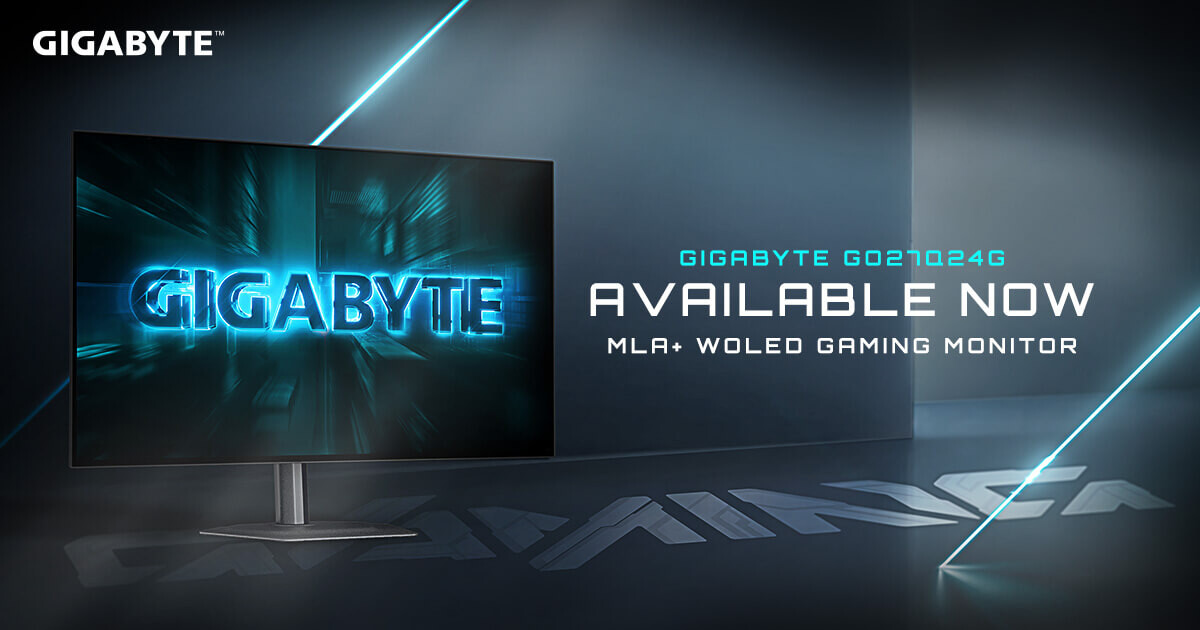
The latest generation of gaming monitors is pushing boundaries in both resolution and refresh rates, but one standout feature—240Hz at QHD resolution on a 27-inch WOLED panel—is now available for competitive players who demand the best possible smoothness without sacrificing visual fidelity.
This monitor, designed with esports in mind, combines a 360Hz sensor for ultra-low input lag and HDR1000 brightness to ensure visibility even under bright conditions. The tradeoff is clear: higher refresh rates at this resolution require significant power and thermal management, but the result is a display that can handle the fastest-paced games without stutter or delay.
Why 240Hz now?
Previous generations of high-refresh monitors often settled for 1080p to keep frame times tight. A 27-inch QHD panel at 240Hz pushes those limits, requiring more bandwidth and processing power from both the GPU and display engine. The choice of WOLED technology helps here—it delivers better contrast and faster response times than traditional LCD panels, but it also consumes more energy.
What does this mean for builders?
- A 360Hz sensor ensures near-instantaneous response to mouse movements, critical in titles like Valorant or Counter-Strike 2 where split-second reactions decide matches.
- HDR1000 support means the screen remains visible and clear even when ambient lighting is high, a common scenario in LAN centers or well-lit home setups.
- The 3600 x 2160 resolution provides sharper text and on-screen elements compared to 1080p, reducing eye strain during long sessions.
When should you upgrade?
If your current setup is already maxed out for 144Hz or 240Hz at 1080p, this monitor offers a clear path forward—but it requires a GPU capable of sustained QHD performance. For competitive players on a budget, sticking with 1080p and a 360Hz display may still be the pragmatic choice until GPU prices stabilize.
For those willing to invest, this monitor sets a new benchmark for what’s possible in desktop esports displays, but the real question is whether the ecosystem—GPUs, cooling solutions, and power delivery—can keep up without breaking the bank. The balance between performance and cost will determine its long-term adoption, but for now, it represents the cutting edge of competitive gaming hardware.