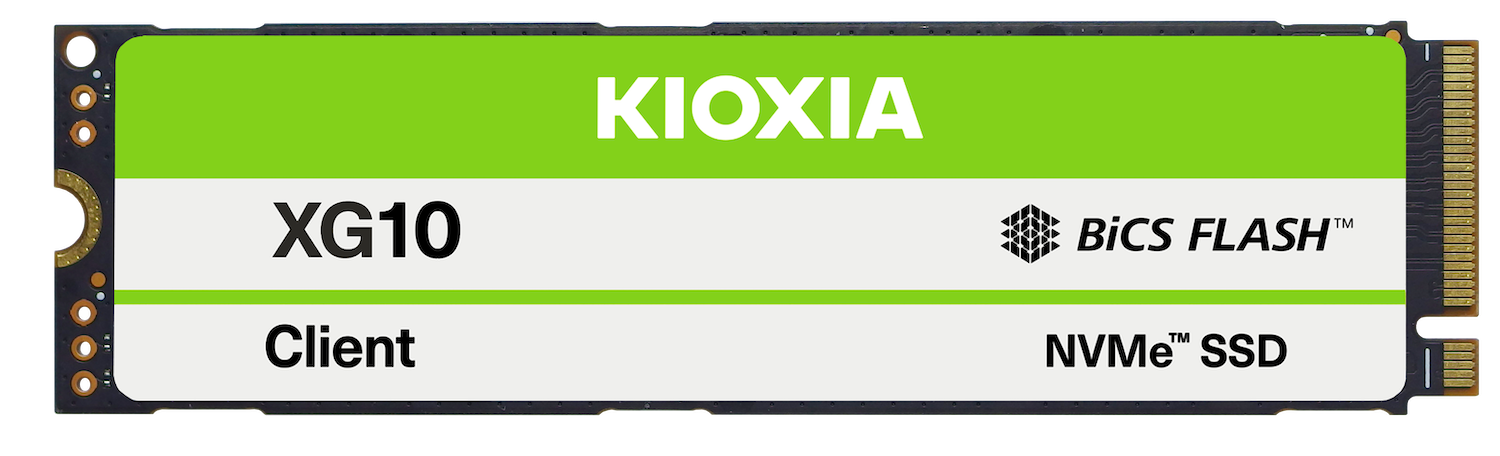
KIOXIA has introduced the XG10 series of PCIe 5.0 client SSDs, designed specifically for OEM PCs. This new lineup pushes performance boundaries while addressing thermal and power consumption challenges that IT teams increasingly prioritize.
The XG10 series is built around a 4-channel PCIe 5.0 interface, delivering up to 12 GB/s sequential read speeds and write speeds reaching 11 GB/s. Capacity options range from 1 TB to 4 TB, with a focus on balancing raw performance with power efficiency—a critical factor in modern client PCs.
- Sequential Read: Up to 12 GB/s
- Sequential Write: Up to 11 GB/s
- Capacities: 1 TB, 2 TB, 4 TB
- Interface: PCIe 5.0 x4
- Power Consumption: Optimized for low heat output
The XG10 series stands out in the PCIe 5.0 market by addressing thermal constraints without sacrificing speed. While PCIe 5.0 SSDs often generate significant heat, KIOXIA claims to have engineered this model with a focus on maintaining stable temperatures even under sustained workloads. This is particularly relevant for IT teams evaluating storage solutions that must operate reliably in compact form factors.
That’s the upside—here’s the catch: PCIe 5.0 SSDs are still a premium offering, and their real-world benefits may not always justify the cost for every use case. While sequential speeds hit double digits, random I/O performance remains a mixed bag, with only modest improvements over PCIe 4.0 in some benchmarks. IT teams will need to weigh whether the incremental gains—faster boot times, quicker file transfers—are worth the higher price tag compared to established PCIe 4.0 drives.
The XG10 series is expected to enter mass production in Q3, with OEM availability following shortly after. Pricing has not been finalized but is anticipated to align with other premium PCIe 5.0 SSDs on the market, likely starting around $200 for lower capacities.
What’s confirmed: The XG10 series delivers PCIe 5.0 performance in a client SSD form factor, with a focus on thermal management. What remains unclear: Long-term reliability under sustained high-speed workloads and how OEM adoption will balance cost versus performance demands.