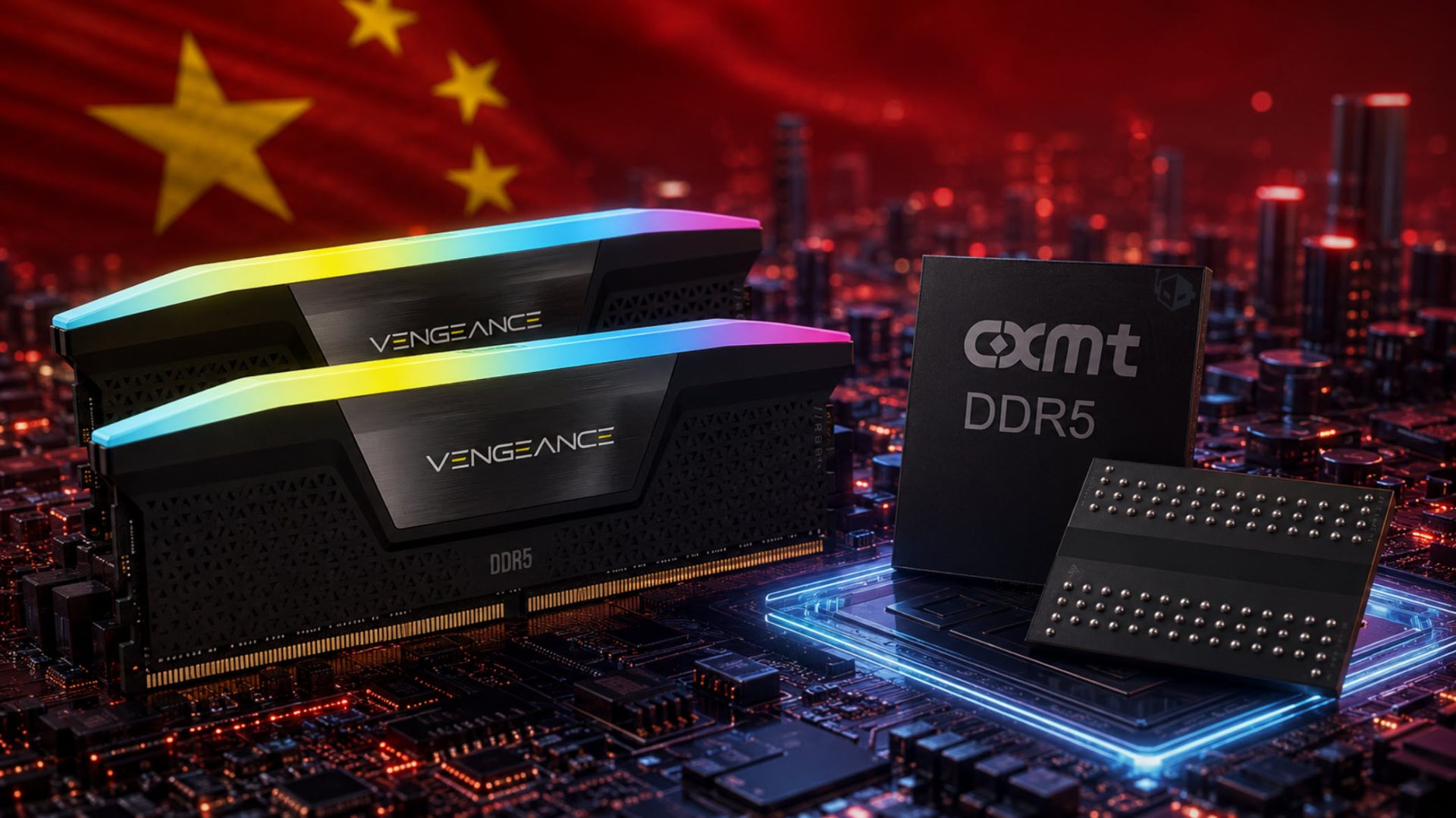
Corsair has rolled out its latest generation of DDR5 memory modules, leveraging CXMT’s DRAM technology—a development that could mark a departure from the dominance of traditional suppliers like Samsung or SK Hynix. This shift is not just about performance metrics but also about reshaping how manufacturers source and distribute memory components, with ripple effects expected across the industry.
What sets these modules apart is their use of CXMT DRAM, which until recently operated largely under the radar in the global supply chain. Corsair’s adoption suggests a strategic move to diversify sourcing away from established giants, potentially offering more flexibility in production timelines and cost structures. The modules are built around DDR5-6000 speeds with 32GB capacity per module, catering to both consumer-grade systems and high-performance workstations.
- Performance: DDR5-6000 speeds with 32GB capacity per module, targeting high-bandwidth applications without sacrificing stability.
- Supply Chain Impact: CXMT DRAM introduces a new variable in the memory market, which could reduce dependency on traditional suppliers while introducing competition that may drive down costs over time.
- Pricing Potential: While Corsair has not disclosed exact pricing, industry observers suggest these modules could position themselves competitively against established brands, particularly for small businesses prioritizing value over brand loyalty.
The implications for small enterprises are twofold. On one hand, a more diverse supply base could lead to innovation in cost-effective solutions, allowing businesses to allocate budgets toward performance upgrades without significant premiums. On the other, the long-term reliability of CXMT’s DRAM remains untested at scale, raising questions about consistency and availability as these modules enter retail channels.
Businesses with long-term procurement strategies should monitor this shift closely. The memory market has historically been volatile, and the introduction of a new supplier—even one backed by Corsair—could introduce instability in both pricing and lead times. Balancing performance requirements against supply chain risks will be critical for small businesses navigating this transition.
Looking ahead, the success of these modules could accelerate broader industry trends toward more decentralized memory production. If CXMT DRAM proves its stability, it may encourage other manufacturers to explore similar partnerships, further reshaping the market landscape. For now, the focus remains on whether Corsair can deliver on performance while mitigating potential supply chain disruptions—a test that will define the future of DDR5 in both enterprise and consumer segments.