Samsung Foundry’s long-awaited 2nm process—dubbed SF2—may finally be ready to disrupt the semiconductor industry. After years of losses and delays, the company has reportedly stabilized yields on its cutting-edge **2nm GAA node**, clearing the path for high-volume manufacturing of the **Exynos 2600** chip, which will debut in upcoming Galaxy S26 series devices. This marks a potential turning point for Samsung, which has faced mounting financial pressure since 2022.
Industry analysts, including those from KB Securities, now project the foundry division could shift from a **7 trillion won loss in 2026** to profitability by 2027. The turnaround hinges on two key factors: the stabilization of advanced processes below **3nm** and a surge in demand for its **4–8nm** nodes, which remain highly profitable. With operating rates at record highs, Samsung is aggressively courting new customers—particularly Qualcomm—to secure long-term contracts for its **2nm and SF2P-class** wafers.
The Exynos 2600, built on Samsung’s **2nm process**, will serve as the foundry’s first major proof of concept. If yields hold steady, the chip could become a cornerstone for Samsung’s push into high-performance computing, including AI and mobile applications. Meanwhile, Qualcomm’s historical partnership with Samsung—particularly through its Mobile eXperience (MX) division—positions the company as a prime candidate for adopting the **SF2 node**, especially as TSMC faces capacity constraints.
A Shift in the Foundry Wars
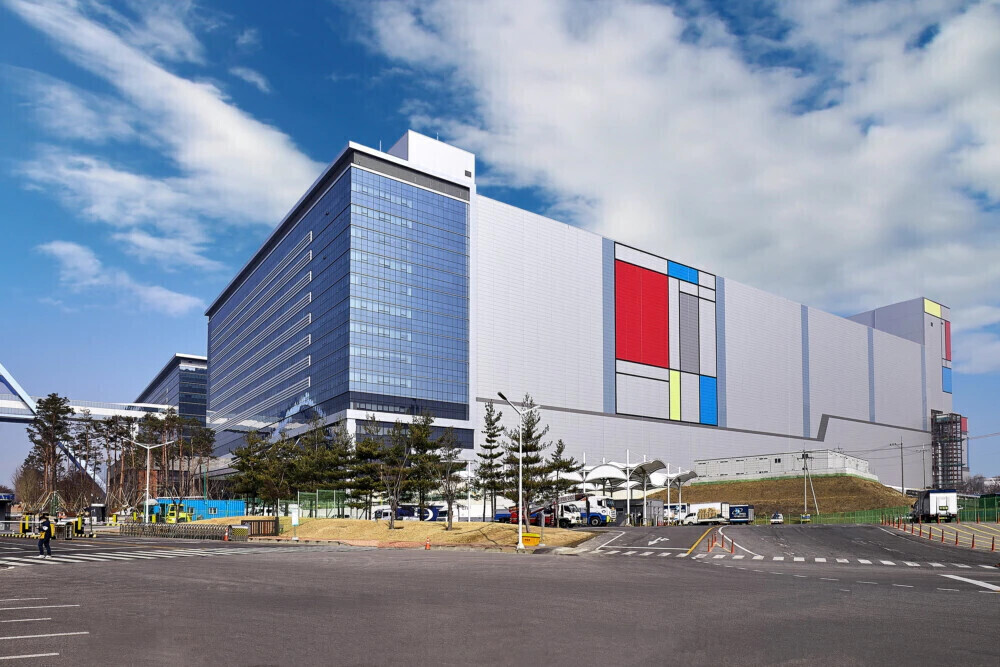
Samsung’s progress comes as TSMC grapples with its own challenges, including delays at its Arizona facility and rising competition. Analysts suggest that major tech firms are increasingly evaluating alternative foundry partners, and Samsung’s **Taylor, Texas fab**—still under construction—could become a critical hub for **2nm production**. Though the $50+ billion site has faced setbacks similar to TSMC’s early struggles, its accelerated timeline may help Samsung capture a larger share of the AI and smartphone chip market.
Beyond Qualcomm, Samsung’s proprietary technologies—such as its **HPB (High-Performance Block) process** and **Heat Path Block**—are gaining traction with other chipmakers. If the foundry can maintain momentum, it could lure back former customers like AMD, which has historically relied on TSMC for advanced nodes.
Key Specs: Samsung’s 2nm SF2 Process
- Process Node: **2nm GAA (Gate-All-Around)**
- Target Application: Exynos 2600 (Galaxy S26 series)
- Yield Stability: Reportedly improved from ~50% to mass-production readiness
- Competitive Edge: Potential for lower power consumption and higher performance vs. **3nm/4nm** alternatives
- Financial Impact: Projected shift from **7 trillion won loss (2026)** to profitability (2027)
- Strategic Customers: Qualcomm (long-term partner), potential AMD/other fabless firms
- Fab Expansion: Taylor, Texas site targeting **2nm production** (accelerated timeline)
The **2nm node** represents a generational leap in efficiency, offering better power management and performance than **3nm or 4nm** processes. For Samsung, this could mean regaining lost ground in the smartphone and AI chip markets, where TSMC currently dominates. The Exynos 2600’s success will be a critical test—if yields remain stable, Samsung may soon secure high-profile contracts, including from Qualcomm, which has explored Samsung’s **HPB technology** for future mobile chips.
With TSMC’s capacity stretched thin and Samsung’s financial losses mounting, the foundry’s ability to deliver reliable **2nm silicon** could redefine industry dynamics. If the Exynos 2600 performs as expected, expect Samsung to aggressively market its **SF2 and SF2P nodes** as the next frontier in chip manufacturing.