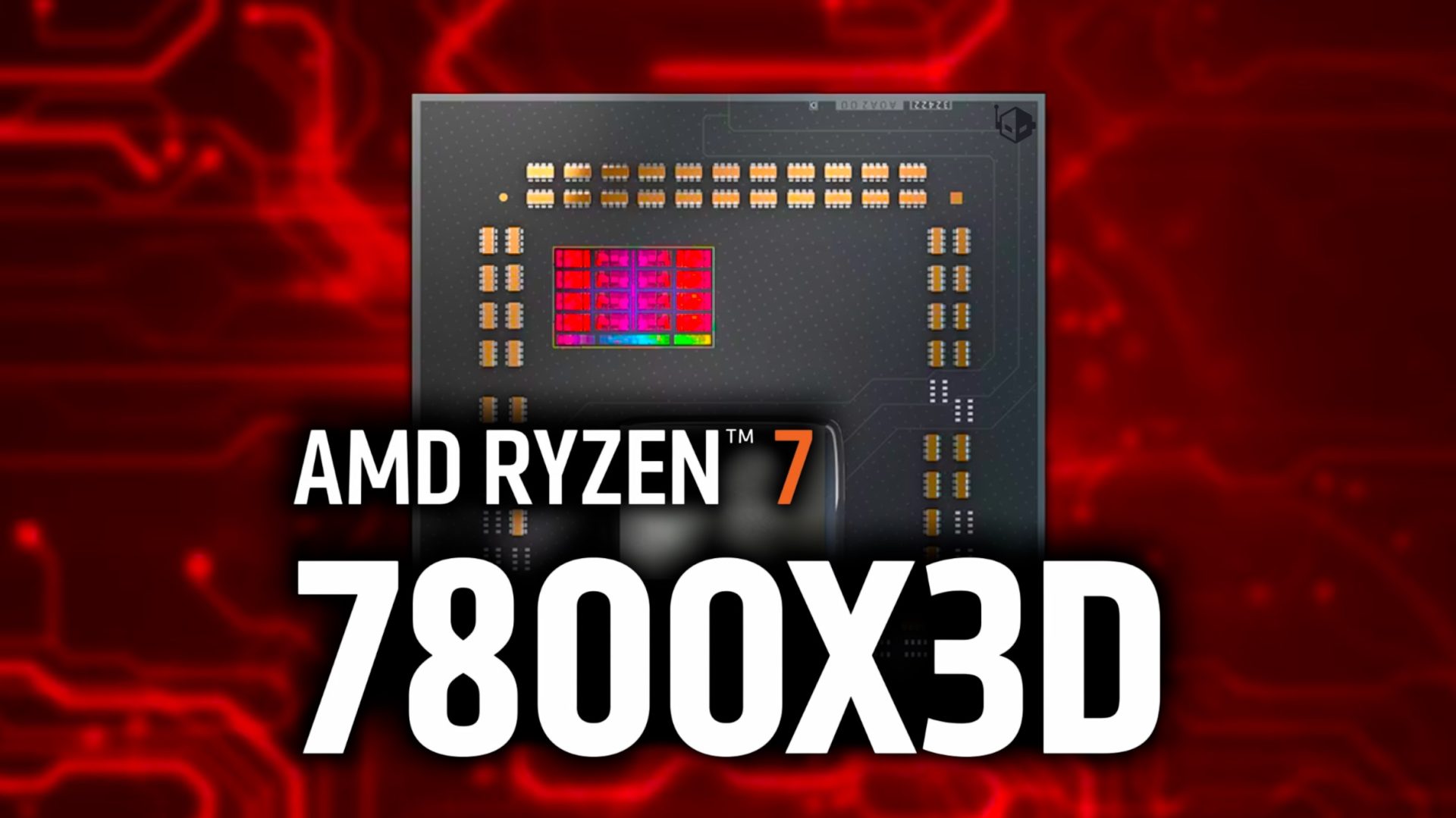
The Ryzen 7 7800X3D is now the most efficient high-end CPU on the market, delivering sustained performance at a price that undercuts its closest competitor by $126. Its thermal profile and power consumption have improved dramatically, making it a standout in AMD's lineup for workload-specific demands.
This processor represents a clear advancement in how AMD balances thermal output and efficiency. Traditional benchmarks show it maintaining high clock speeds while reducing the heat it generates per watt of power draw. That reduction is critical for systems where operational cost matters—whether in gaming rigs or content-creation workstations.
Performance and Thermal Tradeoffs
The 7800X3D's design leverages a refined 3D V-Cache architecture, allowing it to handle memory-bound tasks with less thermal stress. Unlike earlier models that struggled under sustained loads, this version keeps core temperatures lower while pushing clock speeds closer to 5 GHz across multiple cores. That stability translates directly into longer session times without throttling.
Key Specs
- Core/Thread Count: 8 cores / 16 threads (SMT enabled)
- Base Clock: 4.5 GHz, Boost Clock: up to 5.0 GHz
- Cache: 92 MB L3 (3D V-Cache), 20 MB L2
- TDP: 120 W (junction), 65 W (package)
- Memory Support: DDR5-6400 (EXPO certified)
- Socket: AM5
- Price: $324 (lowest in 2026)
The price drop to $324 is not just a financial shift—it reflects a recalibration of AMD's approach to power efficiency. Previous iterations, like the Ryzen 9 7950X3D, demanded more cooling and power delivery without proportional gains in sustained performance. The 7800X3D changes that dynamic by prioritizing thermals first, then performance.
Workload-Specific Impact
For gamers, the difference is immediate: lower frame-time variability and fewer thermal spikes during high-intensity sessions. Content creators benefit from the ability to run multiple workloads simultaneously without triggering CPU throttling. That stability is rare in high-end processors, where power draw often correlates directly with heat output.
The Bigger Picture
This price point also signals a potential shift in how AMD positions its AM5 platform moving forward. If efficiency continues to improve while prices remain competitive, it could reshape the supply chain for high-end CPUs—encouraging manufacturers to optimize cooling solutions around lower TDP processors rather than chasing higher wattage targets.
The Ryzen 7 7800X3D is now a benchmark in performance-per-watt, setting a new standard for what power users expect from high-end processors. Whether that trend holds will depend on how quickly AMD can sustain this balance without compromising raw performance.