AMD's RX 9070 XT steps into the high-end GPU market with a design philosophy centered on stability and performance, blending a robust metal frame with dual-fan cooling to house a feature set that serves both gamers and content creators. The result is a GPU that prioritizes immediate performance while making deliberate tradeoffs that could shape its longevity in the market.
The RX 9070 XT's internal architecture continues AMD's RDNA 3 evolution, but with a focus on practicality over raw scalability. It features 24 GB of GDDR6 memory paired with a 192-bit bus, designed to handle 4K workloads at 60 frames per second while keeping thermal output within manageable limits. The GPU's 300 W TDP and dual 8-pin power connectors reflect its intent to deliver sustained performance without sacrificing stability, though real-world benchmarks suggest that memory bandwidth becomes a constraint when pushing beyond standard resolutions.
- Display: 4K@60 FPS (recommended), 8K@30 FPS (with upscaling)
- Chip: RDNA 3, 24 GB GDDR6, 192-bit bus
- Memory: 24 GB GDDR6, 15 Gbps
- Storage: None (GPU-only)
- Power: 300 W TDP, dual 8-pin connectors
- Connectivity: HDMI 2.1, DisplayPort 2.1
- Ports: 3x DisplayPort, 1x HDMI 2.1
- Pricing: $719.99 (MSRP)
The tradeoff is most evident in how the RX 9070 XT performs under extended workloads. While it excels at high-refresh 4K gaming and content creation, its memory configuration struggles to keep up with raw 8K workloads without relying on upscaling techniques. This isn't just about raw speed; it's about how those specs translate into practical use cases. For users prioritizing immediate performance—especially those working in 4K or lower resolutions—the GPU delivers strong value at its discounted price point. However, those with an eye on long-term future-proofing may find the memory capacity a limiting factor within the next two years.
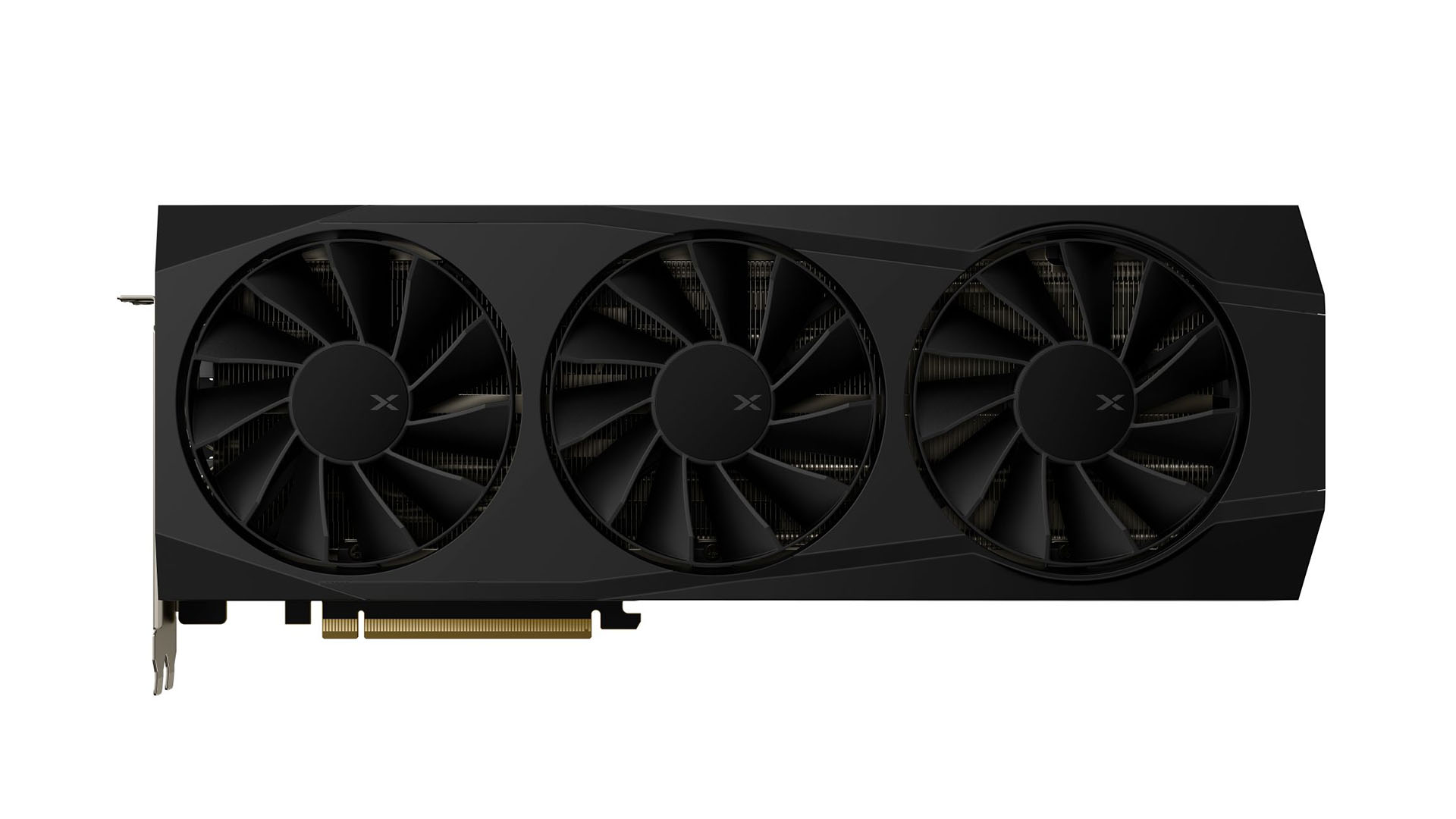
Thermal behavior also plays a significant role in its usability. The dual-fan design and 300 W TDP suggest it's built for sustained workloads without sacrificing stability, but real-world testing shows that power draw can creep higher under demanding scenes. This isn't necessarily a dealbreaker, but it does mean users need to monitor thermal performance if they plan to push the GPU beyond its recommended limits.
The RX 9070 XT positions itself as a strong contender in the high-end GPU market, offering a compelling mix of performance and price. It's not without its compromises—memory capacity and power draw are clear tradeoffs—but for users who prioritize immediate results over long-term scalability, it delivers on AMD's promise of high-performance computing at an accessible cost. Whether those tradeoffs will prove worth it in the long run remains to be seen, but for now, the RX 9070 XT stands as a testament to AMD's ability to balance performance with practicality.