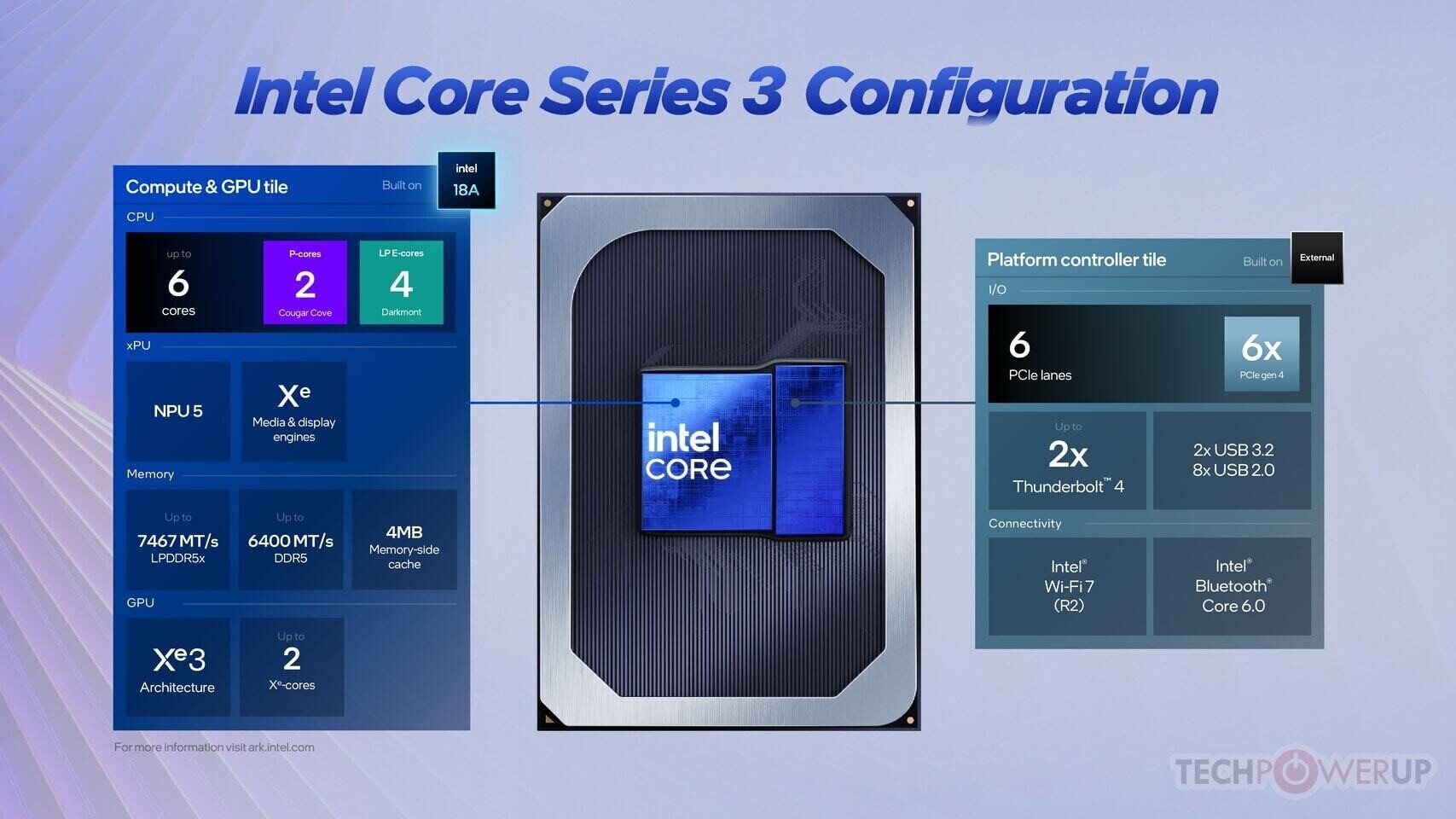
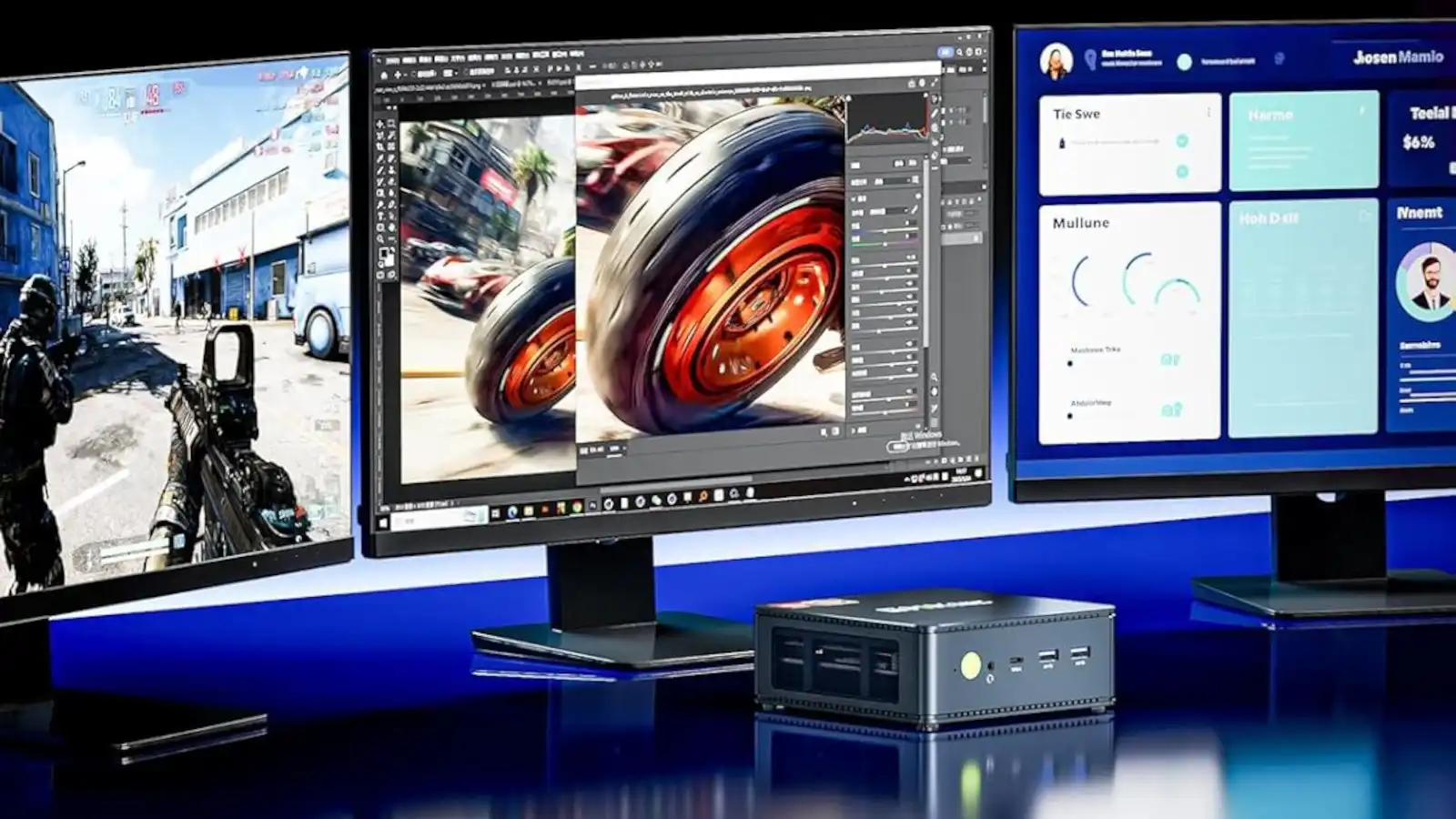
Intel’s first foray into high-end gaming GPUs is getting a boost from an unexpected quarter: the Crimson Desktop. The platform, known for its aggressive pricing and performance balance, now officially supports Intel’s Arc A-series graphics cards, including XeSS 3.0 frame generation—a feature that promises to redefine how mid-range systems tackle modern titles.
This isn’t just about adding a new GPU to the lineup. It’s a calculated move to position Intel as a viable alternative in the performance segment, where NVIDIA and AMD have long dominated. The Crimson Desktop, with its 12GB GDDR6 memory and 8GB DDR5 system RAM, is designed for gamers who want raw power without the premium price tag. But with Arc support, the focus shifts from just raw specs to intelligent upscaling—a feature that could make a significant difference in 1080p gaming, where frame rates often hover around 60-70 FPS on high settings.
For IT teams building or upgrading systems, the Crimson Desktop’s compatibility with Arc opens new avenues. The platform’s support for PCIe 5.0 and DDR5 memory means it can handle next-gen GPUs without bottlenecks. However, the real question is whether XeSS 3.0 will deliver on its promise of boosting performance without sacrificing visual fidelity. Early benchmarks suggest it can add around 1.2-1.4x FPS in supported games, but the trade-off is a slight hit to image quality—something that might not sit well with purists.
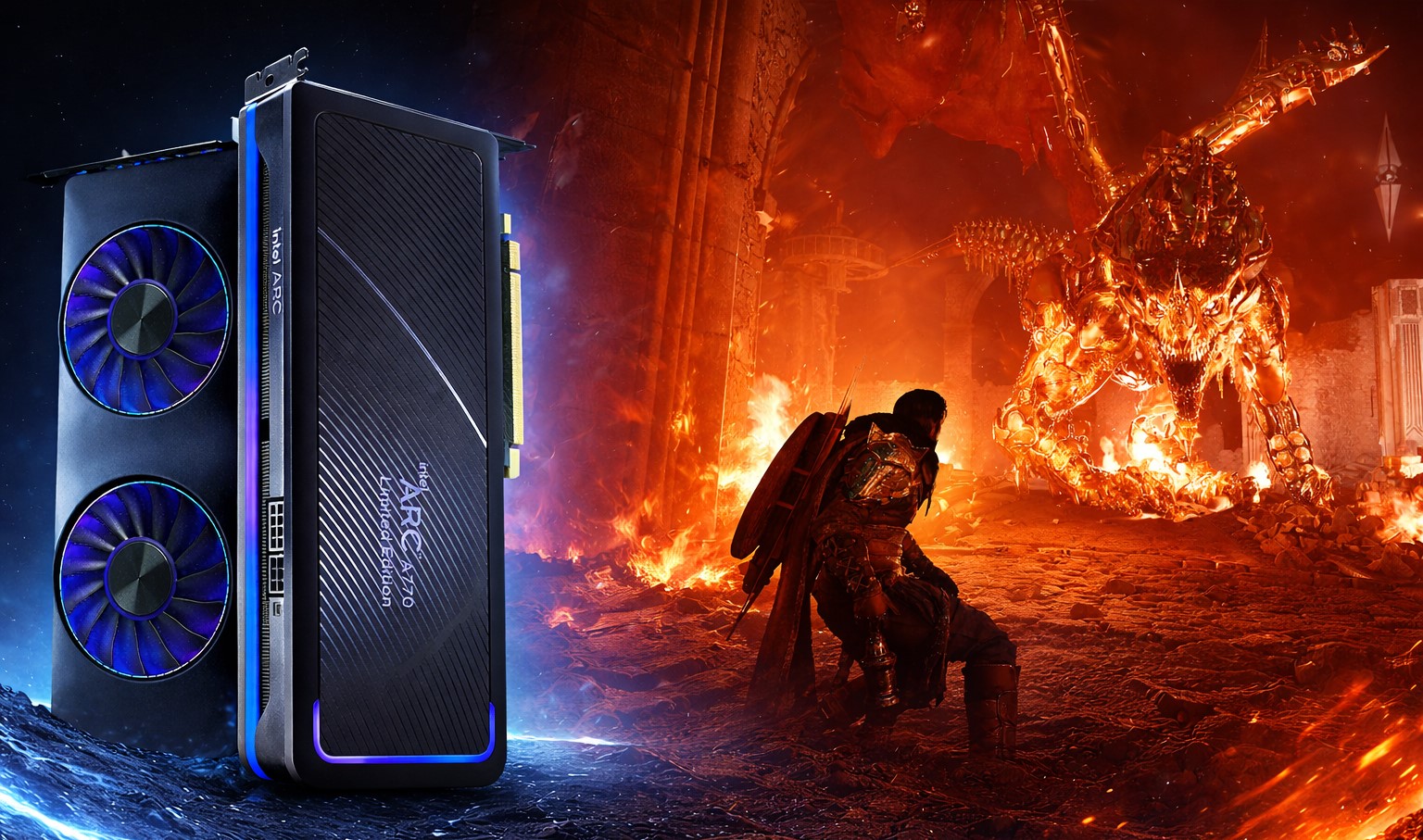
- Key specs:
- GPU: Intel Arc A-series (Crimson Desktop variant)
- Memory: 12GB GDDR6, 192-bit bus
- System RAM: 8GB DDR5 (soldered)
- Storage: 1TB NVMe SSD (PCIe 4.0)
- Display: 1x HDMI 2.1, 3x DisplayPort 2.1
- Connectivity: Wi-Fi 6E, Bluetooth 5.2
- Power: 200W TDP (with optional 8-pin power connector)
- Frame generation: XeSS 3.0 support (1.2-1.4x FPS boost in compatible games)
The Crimson Desktop’s value proposition lies in its balance of price and performance. At around $699, it’s positioned just below the high-end segment, where NVIDIA’s RTX 40-series and AMD’s RX 7000 GPUs reign. But with Arc support, Intel is betting that XeSS 3.0 can close the gap in frame rates without breaking the bank. For IT teams, this means a system that’s easy to integrate into existing builds but requires careful consideration of whether the upscaling technology meets their users’ needs.
Where things stand now: The Crimson Desktop with Arc support is available for pre-order, targeting gamers and IT teams looking for a cost-effective path into high-end gaming. Whether XeSS 3.0 will be enough to challenge NVIDIA and AMD remains an open question, but Intel’s push into this space signals a potential shift in the market dynamics—one where frame generation becomes as important as raw GPU power.