The RTX 4090 arrives with a specification sheet that pushes the limits of consumer GPU design: 24GB of GDDR6X memory, a 384-bit memory bus, and clock speeds that redefine high-end performance. But for developers, the conversation has shifted from raw metrics to practical execution—timing, power efficiency, and whether this card can deliver on its promises without being undermined by market conditions.
Memory capacity is where the RTX 4090 stands out most. NVIDIA’s first consumer GPU with 24GB of VRAM offers a clear edge in memory-intensive workloads, from next-gen game engines to professional rendering tasks. Early benchmarks suggest a 10-15% performance boost in scenarios where bandwidth is the bottleneck, but the long-term value depends on software maturity. If game developers and frameworks don’t fully leverage this capacity, the feature risks becoming an expensive upgrade with limited real-world benefits.
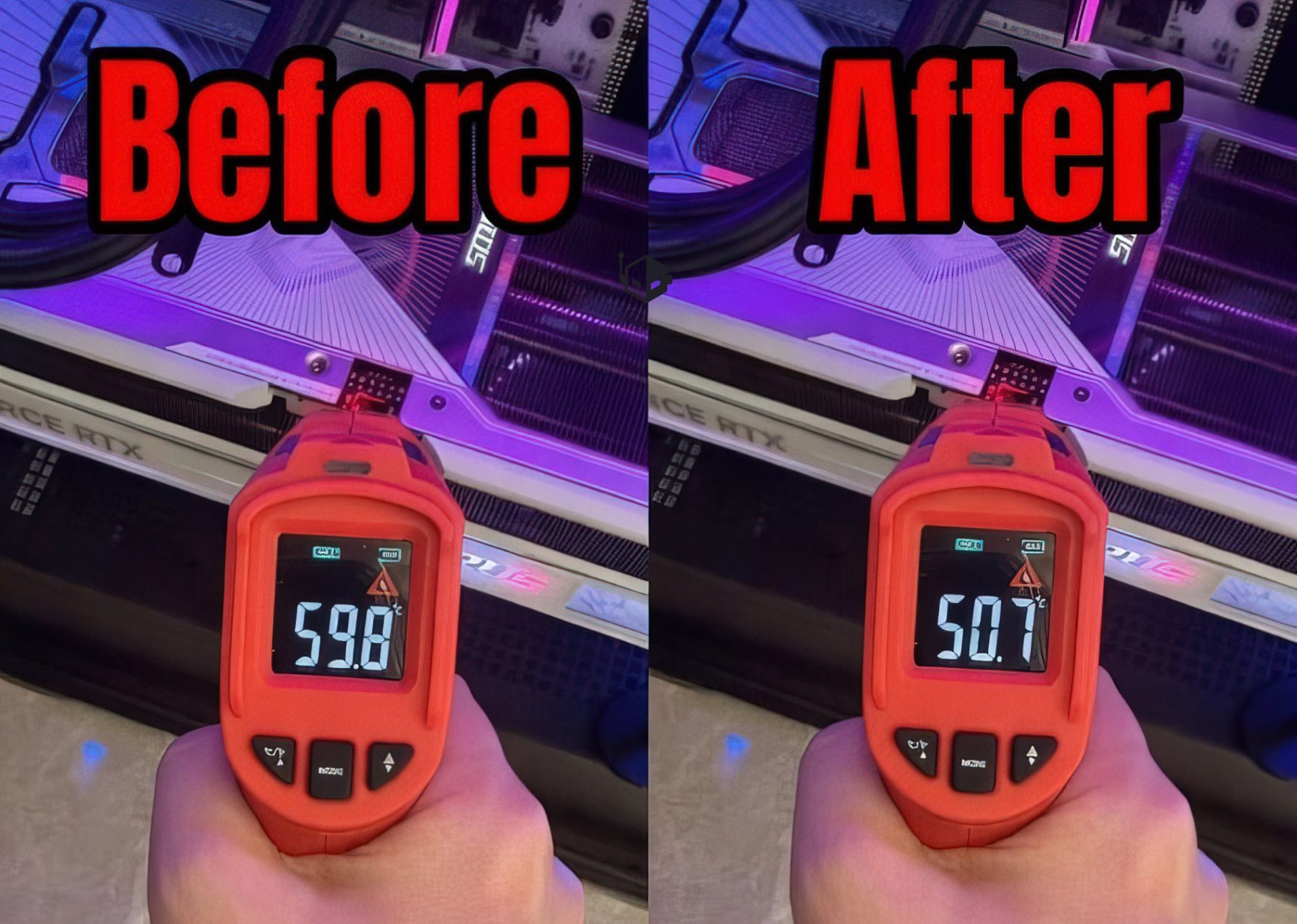
Power consumption adds another layer of complexity. The RTX 4090’s 450W TDP is higher than its predecessors, forcing developers to reconsider system cooling and power delivery. Thermal throttling under sustained loads could offset some performance gains, making robust cooling solutions a necessity rather than an option.

Software support remains uncertain. Features like DLSS 3 and enhanced ray tracing are designed to redefine rendering pipelines, but their effectiveness hinges on broad driver optimization and third-party adoption. Without consistent software maturity, these advancements could remain theoretical rather than practical upgrades for most developers.
- Supply challenges persist: The RTX 4090’s availability mirrors the issues seen with the RTX 30-series, leaving developers to decide whether to invest now or wait for potential future improvements, including rumors of an RTX 4080 later in 2023.
- Power infrastructure becomes a deciding factor: Systems without robust cooling or power delivery may see performance degradation under load, making the RTX 4090 less appealing without complementary upgrades.
The card’s Ada Lovelace architecture introduces innovations that could set a new benchmark for GPU performance. However, its success depends on more than just specifications—it will be measured by how well NVIDIA stabilizes supply and whether software developers fully embrace its potential. For now, the balance between performance promise and market reality remains the defining question.