For years, RSS feeds were overshadowed by social media platforms, but a recent shift in one tech journalist’s workflow reveals why they remain a powerful tool for curated news consumption—especially when self-hosted.
The decision to move away from commercial RSS readers like Feedly stems from frustration with the freemium model that has become standard. These services often cap free usage, hide key features behind paywalls, or inject ads into feeds—a stark contrast to the open, ad-free experience possible with self-hosted alternatives.
FreshRSS, a free and open-source RSS reader, emerged as the solution. Installed on a Raspberry Pi 5, it provides the same core functionality—feed organization, card-based article viewing, and compatibility with popular mobile apps like Reeder for iOS—but without the limitations of commercial services. Unlike Feedly or Inoreader, FreshRSS offers unlimited feed storage (bound only by local machine capacity) and no forced ads.
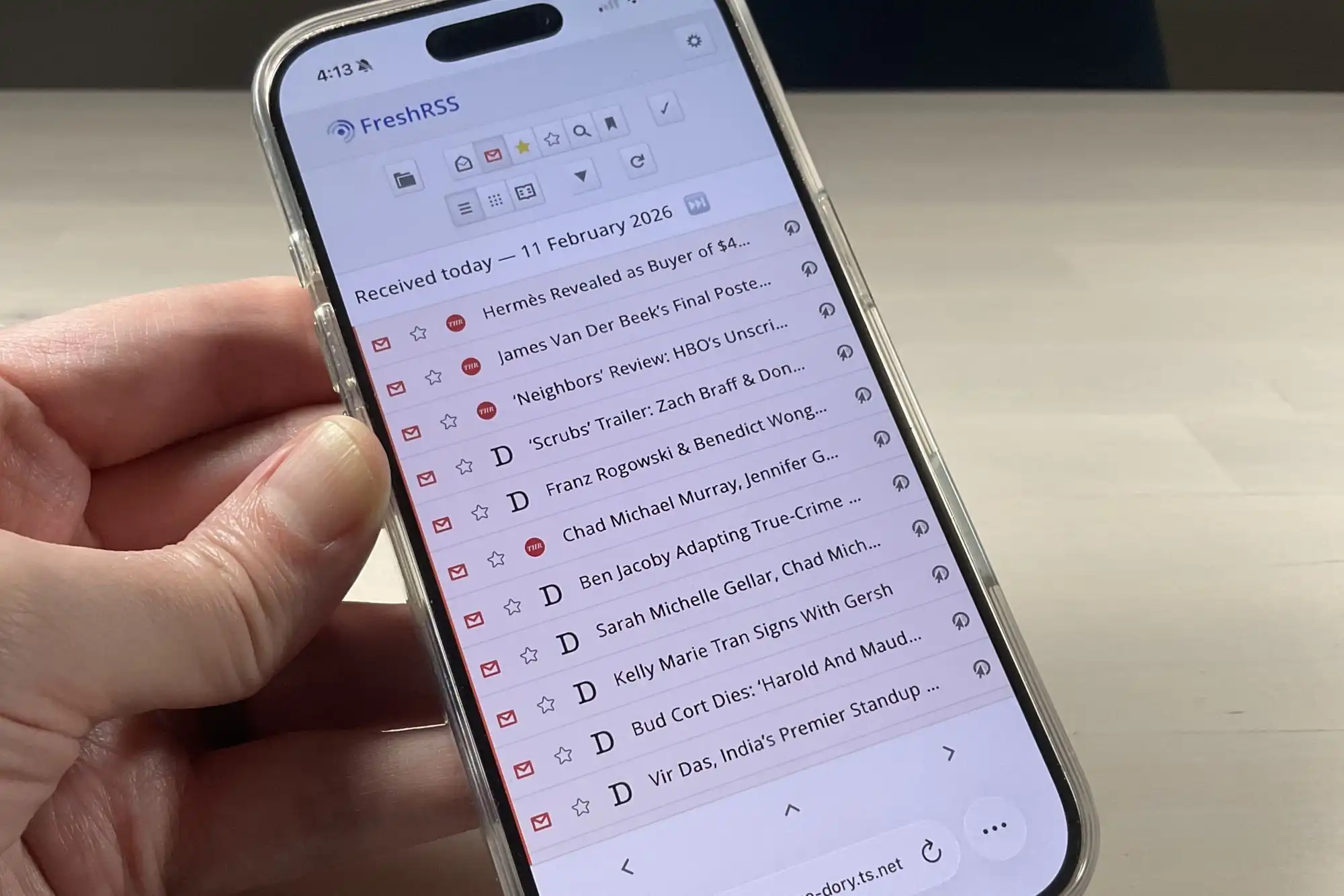
Compatibility with the Google Reader API ensures seamless integration with existing workflows, while a growing ecosystem of extensions adds practical features like reading-time estimation and integration with read-later services such as Wallabag. This flexibility stands in contrast to the rigid constraints of commercial readers, which often prioritize monetization over user experience.
Other open-source options, including Tiny Tiny RSS and Miniflux, provide similar benefits—self-hosting, no ads, and no arbitrary usage limits. The choice between them largely comes down to preference, but all three offer a reliable alternative to the freemium model that has dominated RSS readers in recent years.
The move reflects a broader trend: developers and power users are increasingly turning to self-hosted solutions for tools they rely on daily. With no ads, no paywall restrictions, and full control over data, it’s a model that could redefine how many consume news—especially for those who value independence over convenience.