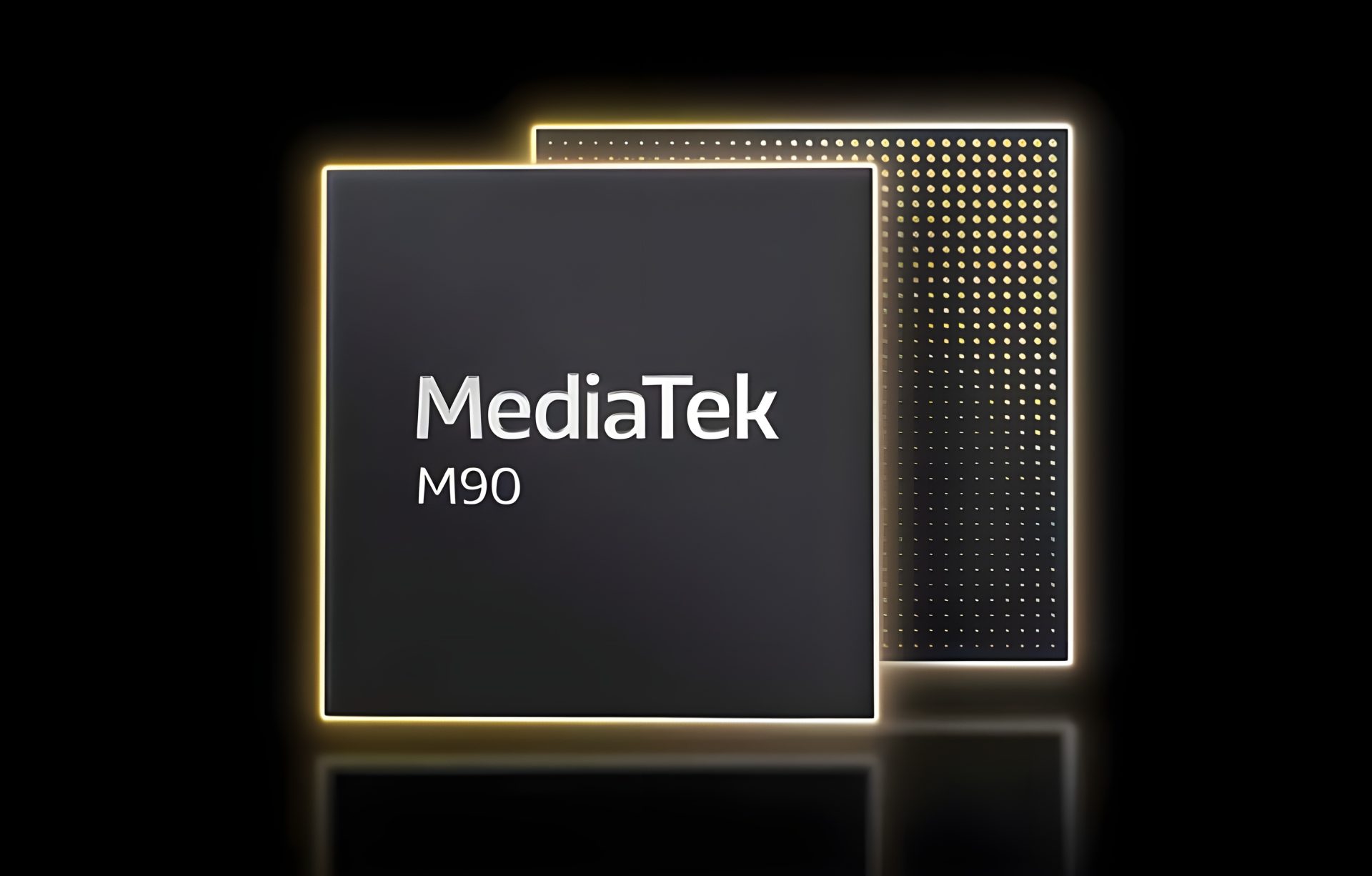
MediaTek’s latest partnership with SpaceX introduces a new dimension to smartphone connectivity by integrating Starlink’s Direct to Cell technology into the M90 modem. This collaboration is designed to ensure that emergency alerts—such as those from the Commercial Mobile Alert System (CMAS), Wireless Emergency Alerts (WEA), and Earthquake and Tsunami Warning System (ETWS)—can reach users even when traditional cellular networks are disrupted.
The integration leverages Starlink’s S-Band spectrum, which operates between 2 GHz and 4 GHz, to deliver critical messages. MediaTek’s M90 modem is positioned as the world’s first 5G modem with built-in satellite technology, addressing a persistent challenge in emergency response: the inability of cellular networks to function during natural disasters or other crises.
This partnership marks a significant advancement in standardized NR-NTN (Non-Terrestrial Network) technology, which aims to bridge gaps in cellular coverage. MediaTek’s move also reflects its broader strategy to stay at the forefront of emerging technologies, including silicon photonics, as evidenced by its recent investment in Ayar Labs. While silicon photonics is still evolving, its potential impact on AI data centers and mobile applications could reshape the industry.
For users, this development means a more reliable way to receive emergency notifications, even in remote or disaster-stricken areas where traditional networks may fail. However, the practical implications—such as widespread adoption, pricing, and availability—remain to be seen. The collaboration between MediaTek and SpaceX is a step toward making satellite-based communication a standard feature in smartphones, but its full potential will depend on how quickly and effectively the technology is deployed.