The BlackShark V3 X HyperSpeed White Edition arrives as a sleek evolution of Razer’s wireless headset lineup, blending refined aesthetics with the precision engineering that defines the brand. Its 270-gram frame positions it among the lightest options for Xbox and PlayStation, but the true test lies in whether its core features—like 2.4 GHz latency and a detachable mic—deliver enough innovation to justify its place in a competitive market.
The white colorway offers a fresh contrast to traditional black or camo designs, but it’s the internal enhancements that matter most for serious gamers. The TriForce 50 mm Drivers Gen-2 promise more immersive audio cues, while the HyperClear mic is engineered to minimize background noise—a critical factor in fast-paced games where clarity can decide matches.
Wireless performance is a standout feature here, with Razer’s SmartSwitch Dual Wireless enabling seamless transitions between 2.4 GHz and Bluetooth modes without interrupting gameplay. For gamers who also use their consoles for calls or streaming, this flexibility could be a significant advantage—but it doesn’t fully address the persistent challenge of battery life. The claimed 48-hour runtime on console is respectable, but real-world usage may vary depending on how intensely players push the headset’s limits.
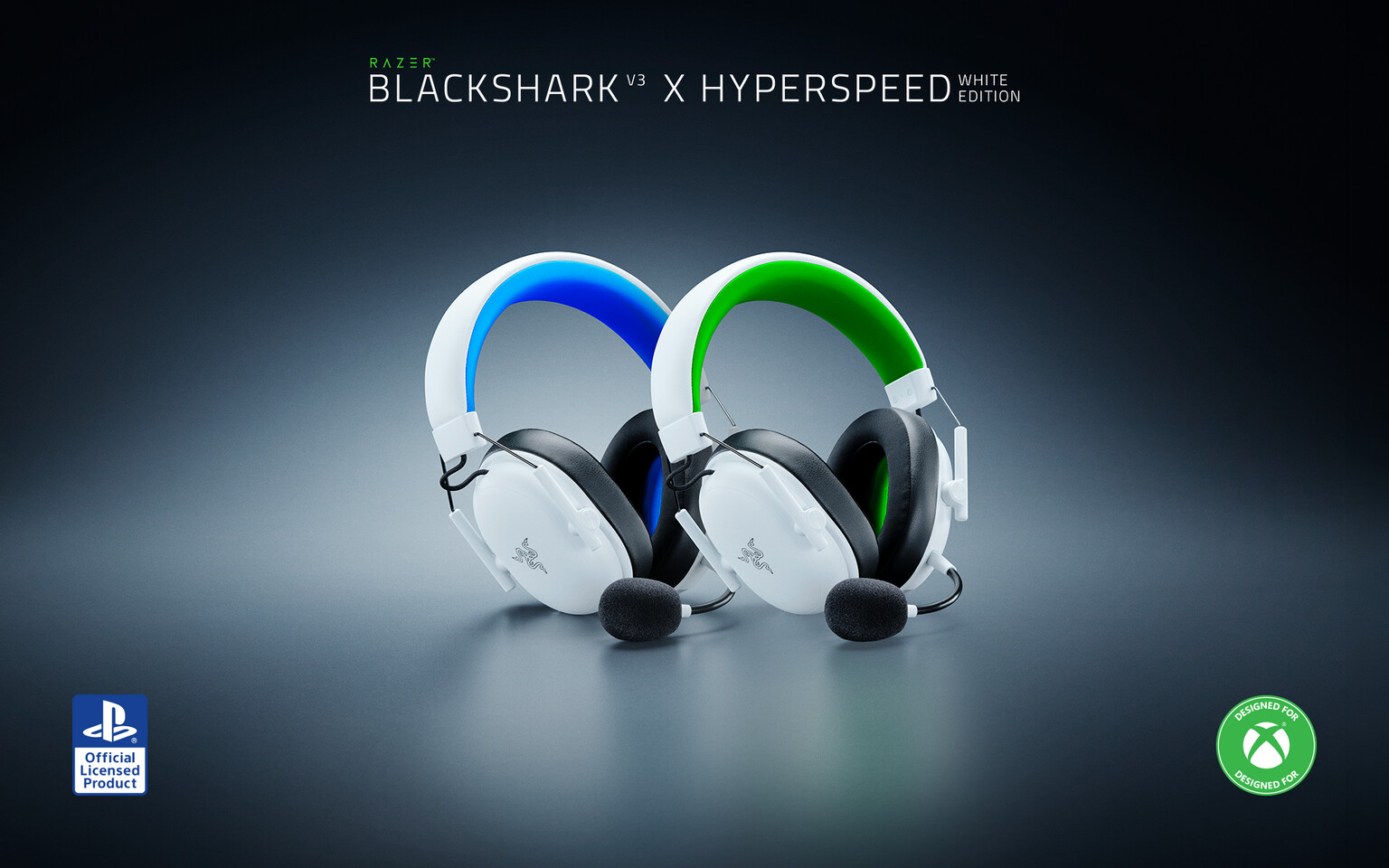
- Audio: TriForce 50 mm Drivers Gen-2 with enhanced soundstage and positional accuracy
- Weight: 270 grams for extended wear comfort
- Wireless: 2.4 GHz low-latency with SmartSwitch Dual Wireless (2.4 GHz + Bluetooth)
- Microphone: Detachable HyperClear Cardioid 9.9 mm mic optimized for noise reduction
- Battery Life: Up to 48 hours on console, 70 hours on PC; 6-hour charge from a 15-minute quick charge
A deeper dive into the specifications reveals both strengths and potential compromises. The lightweight design is ideal for long gaming sessions, but the plastic construction—while durable—may not satisfy those who prefer premium materials. The detachable mic adds versatility, though its performance in noisy environments could be inconsistent depending on room acoustics.
For casual gamers or those who prioritize style over performance, this version might feel excessive. The white aesthetic is modern and clean, but the underlying technology remains firmly targeted at competitive players who demand precision in audio and responsiveness. If battery life proves reliable under heavy use and the price remains competitive, it could emerge as a compelling choice for gamers upgrading from older models.
Current market trends favor headsets with ultra-low latency and crystal-clear audio, areas where Razer has consistently excelled. However, the question remains whether this iteration introduces enough innovation to surpass alternatives without overcharging for niche benefits. What’s certain is a lighter, more refined design with proven wireless performance. What’s still up for debate is how battery life translates to real-world endurance and whether the white edition’s premium feel justifies its position in Razer’s lineup—without any groundbreaking advancements beyond refinements.