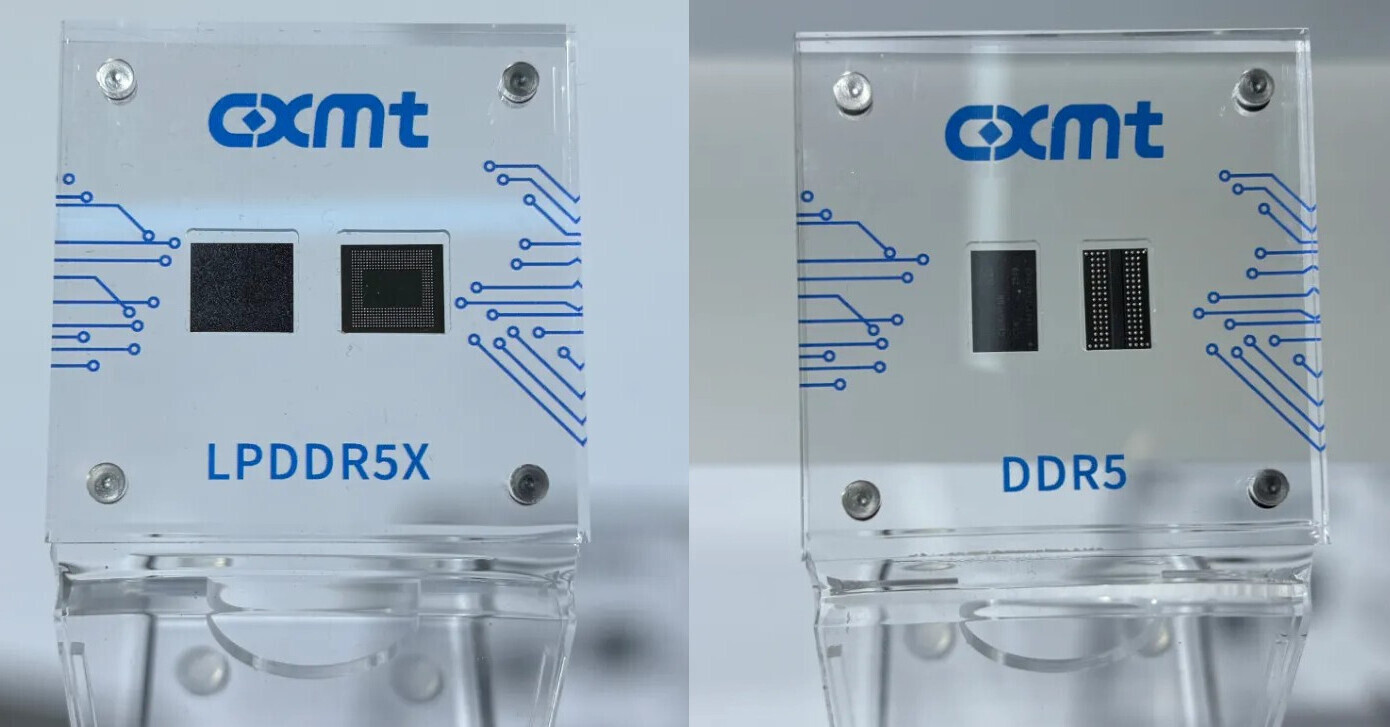
Global PC manufacturers are quietly exploring a new supplier for a critical bottleneck: memory. With SK Hynix, Samsung, and Micron still prioritizing AI-related demand, brands like ASUS, Acer, Dell, and HP are reportedly testing memory modules from China’s CXMT—a company that unveiled high-speed DDR5 and LPDDR5X chips last year.
The move reflects a deeper industry shift. CXMT’s DDR5-8000 and LPDDR5X-10667 modules, announced at the 2025 China International Semiconductor Expo, now appear on the radar of major OEMs as they search for alternatives to the strained traditional supply chain. CXMT’s offerings include 12 Gb and 16 Gb LPDDR5X modules, alongside DDR5 in 16 Gb and 24 Gb formats. Their 16 Gb DDR5 chips measure just 67 square millimeters, with a density of 0.239 Gb per square millimeter—achieved using a 16 nm process node, though that places them three generations behind competitors like Samsung and SK Hynix.
Despite the lag in manufacturing, CXMT’s chips meet and even exceed JEDEC standards, suggesting compatibility with existing PC designs. The company’s G4 DRAM cells are 20% smaller than its previous generation, hinting at future efficiency gains. Whether its production capacity can meet global demand remains uncertain, but for now, the shift signals how desperate the market has become.
For consumers, the implications are straightforward: if CXMT’s memory becomes widely adopted, it could ease shortages—but only if quality and reliability match expectations. The broader question is whether this marks a permanent realignment of the PC supply chain or a temporary workaround as AI demand continues to strain traditional suppliers.
Memory Types: DDR5-8000, LPDDR5X-10667LPDDR5X Capacities: 12 Gb, 16 GbDDR5 Capacities: 16 Gb, 24 GbChip Density: 0.239 Gb per square millimeter (16 Gb DDR5)Process Node: 16 nm (3 generations behind leaders)DRAM Cell Improvement: 20% smaller G4 cells vs. G3Compliance: Meets/exceeds JEDEC specificationsReported Adopters: ASUS, Acer, Dell, HP
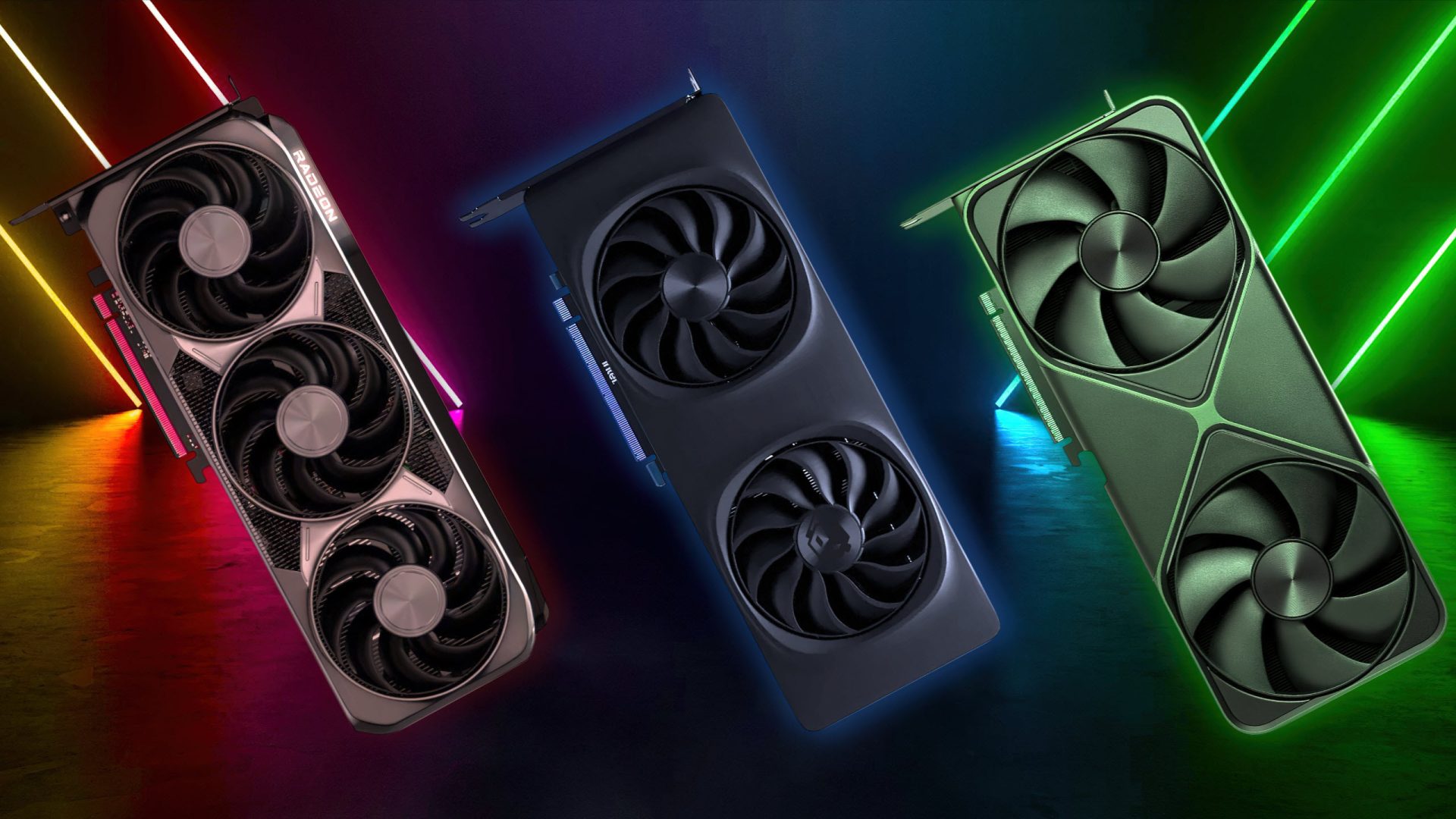
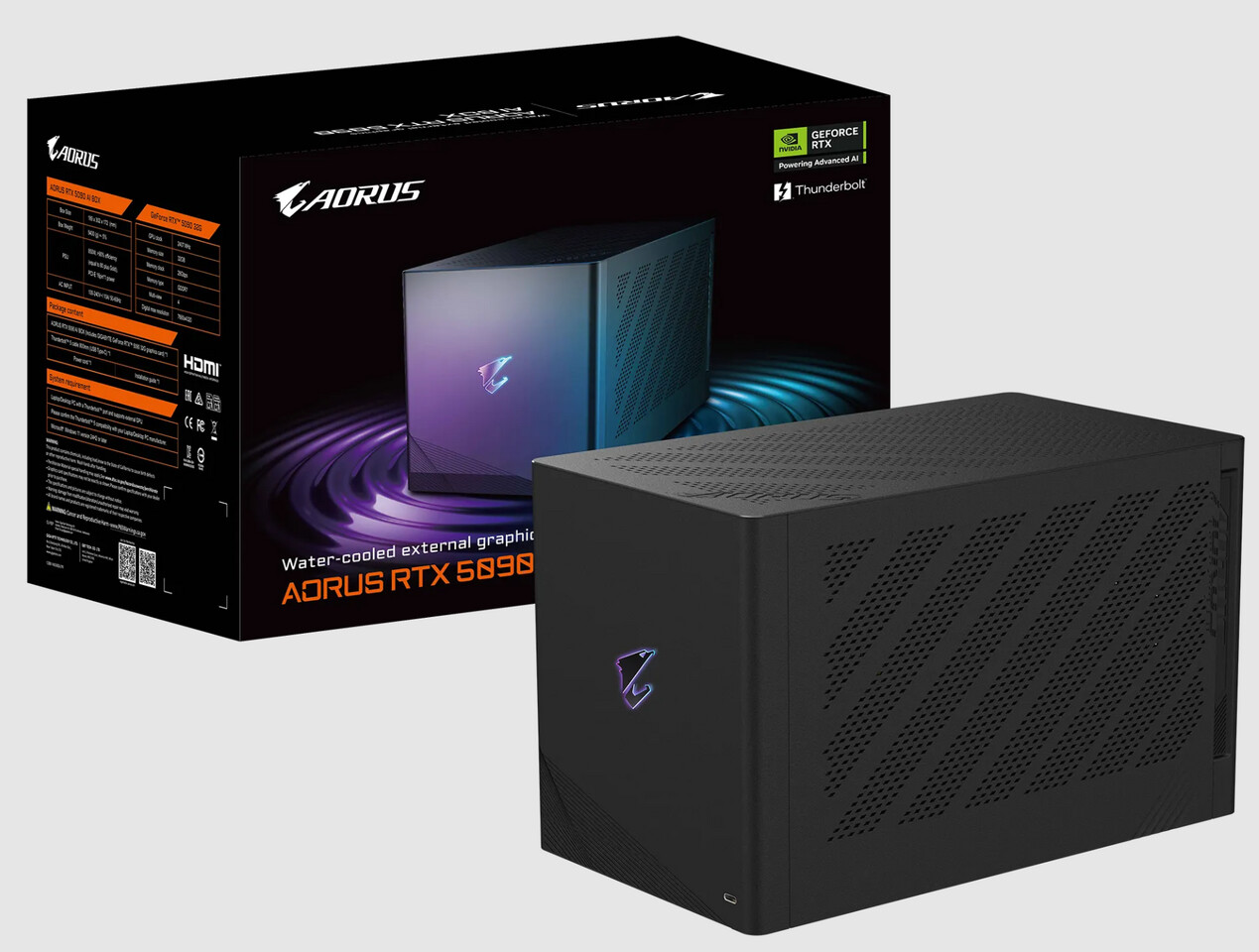
The stakes couldn’t be higher. With AI workloads consuming vast amounts of memory, even high-end GPUs like the GeForce RTX 5070 Ti and RTX 5090—priced at $5,000 in some cases—are feeling the pinch. If CXMT’s memory proves viable, it could help stabilize prices. But if production falls short, the shortages may persist, leaving consumers and businesses in limbo.