Smartphone displays are evolving faster than ever. The latest trend sweeping through the industry is the quad-curved design, once synonymous with high-end flagships but now being embraced by Chinese brands aiming to challenge Apple's dominance in the premium segment.
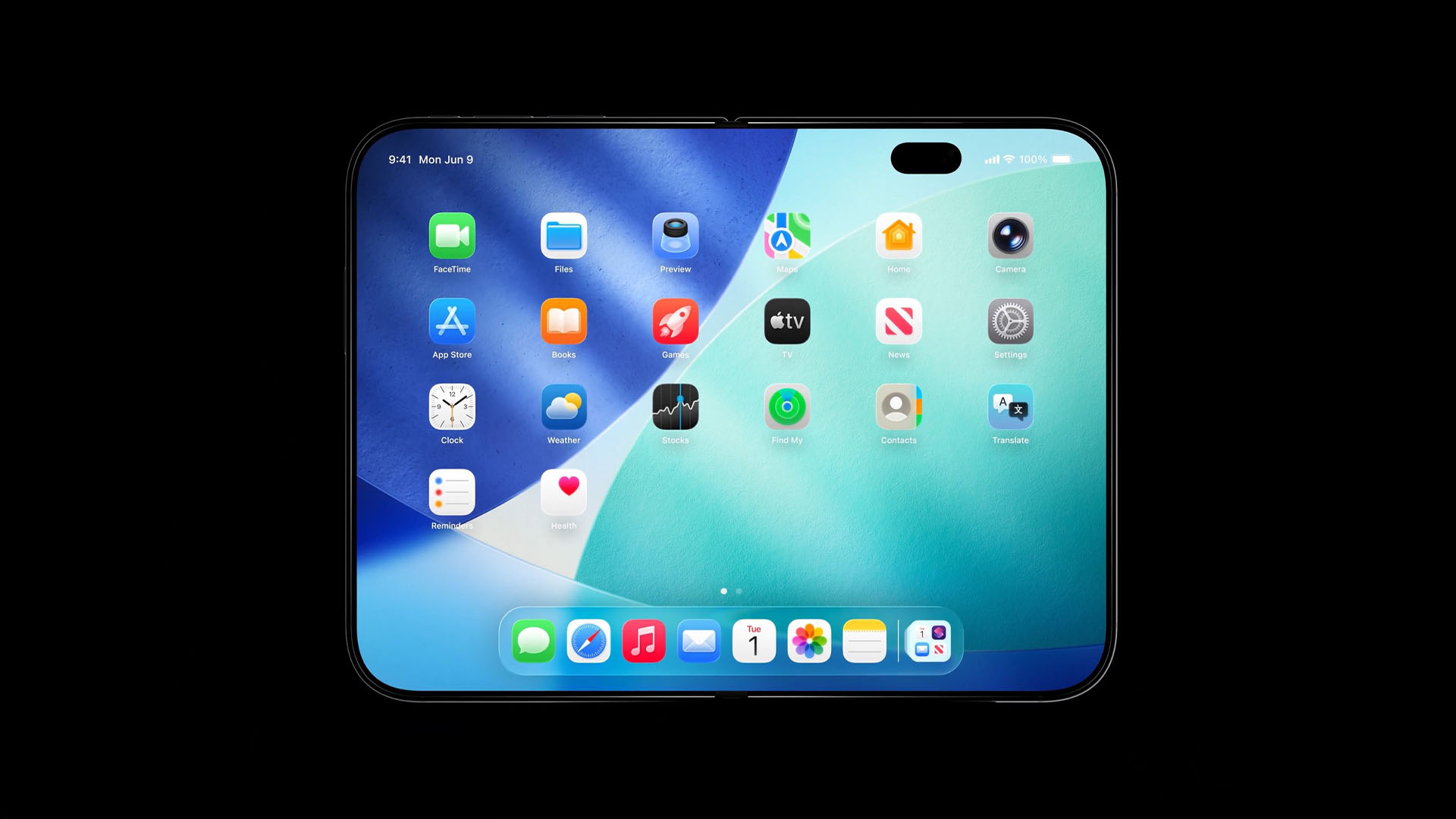
The shift isn't just about aesthetics—it's about functionality and user experience. Quad-curved screens, which wrap around the front, top, and sides of a device, offer a more immersive viewing experience while also making room for advanced under-display cameras and sensors. But the real innovation lies in how these brands are integrating a liquid glass UI, promising smoother transitions and a more fluid interaction with the device.
Key Specs
- Display: Quad-curved, 6.7-inch OLED, 120Hz adaptive refresh rate, HDR10+, Dolby Vision, 1200 nits peak brightness
- Processor: Snapdragon 8 Gen 3 (4nm process)
- Memory & Storage: Up to 16GB LPDDR5X RAM, up to 1TB UFS 4.0 storage
- Cameras: Triple rear camera setup with 50MP main sensor, 8MP ultrawide, and 2MP depth; 32MP front camera with autofocus
- Battery & Charging: 4,500mAh battery with 67W fast charging support, 100% charge in under 30 minutes
- Connectivity: 5G, Wi-Fi 6E, Bluetooth 5.3, USB-C with PD 3.0
- Design & Build: Ceramic Shield front, Gorilla Glass Victus back, IP68 water and dust resistance
These specifications are not just about pushing numbers—they represent a fundamental shift in how smartphones are designed and used. The quad-curved display, for instance, eliminates the need for a notch or punch-hole cutout, allowing for a more uniform and uninterrupted screen real estate. This design choice is particularly appealing to gamers, who benefit from a larger canvas for visuals without sacrificing functionality.
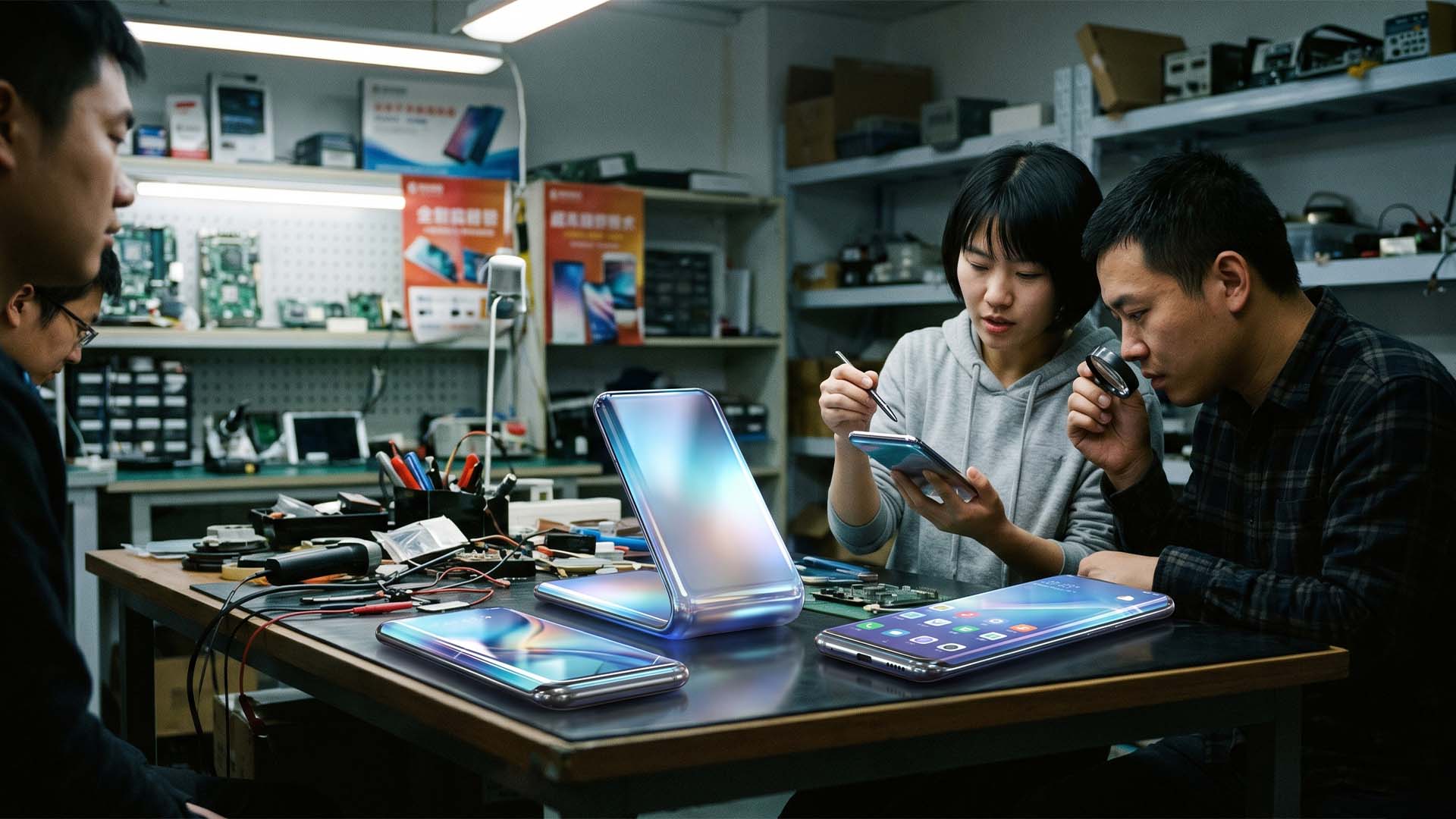
The liquid glass UI, on the other hand, is about refining the user experience. It introduces smoother animations and transitions, making navigation feel more natural and intuitive. For tasks like scrolling through social media or switching between apps, users will notice a subtle but noticeable difference in how fluid their interactions are.
Who Benefits Most?
The quad-curved design with liquid glass UI is tailored for users who prioritize both performance and aesthetics. Gamers, in particular, stand to gain the most from these advancements. The larger display provides a more immersive gaming experience, while the higher refresh rate ensures smoother visuals during fast-paced action scenes. Additionally, the advanced camera setup allows for better low-light performance, which is crucial for capturing in-game moments or streaming content.
For casual users, the liquid glass UI offers a more polished and responsive interface, making everyday tasks like browsing or messaging feel more seamless. The ceramic shield front also enhances durability, providing peace of mind for those who use their phones heavily without worrying about scratches or drops.
The race to adopt this design is not just about keeping up with Apple—it's about redefining what users expect from a premium smartphone. With brands like Xiaomi, Oppo, and Realme leading the charge, we can expect to see more innovations in display technology that push the boundaries of what's possible in mobile devices.