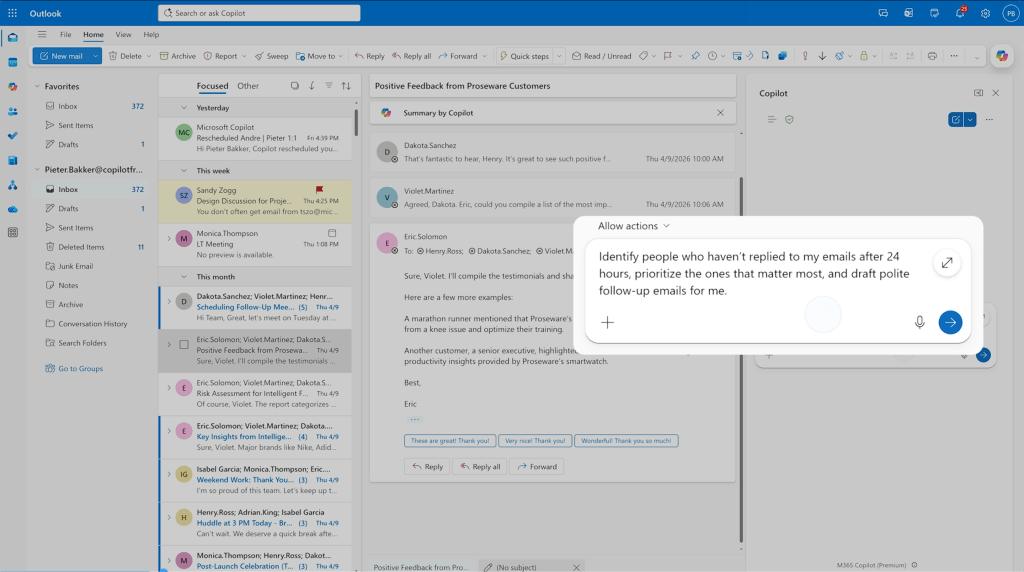
For decades, users have accepted a certain level of sluggishness in their computing experience—a taskbar that stutters, a Start menu that hesitates, or applications that consume more resources than necessary. These are not hardware limitations but software inefficiencies, and Microsoft is now attempting to solve them with a project codenamed K2.
K2 represents a departure from the usual Windows update cycle. Rather than introducing new features or visual changes, it targets the operational cost of using the operating system—how much CPU, memory, and I/O bandwidth tasks consume, and whether those costs are justified. The goal is not just to make Windows faster but to ensure that speed is consistent, regardless of workload.
Key details about K2 remain scarce, but early indications suggest a focus on three critical areas
- A redesigned taskbar and Start menu that reduce rendering overhead while maintaining intuitive navigation.
- Aggressive memory optimization for long-running applications, potentially borrowing techniques from server-grade workloads to minimize per-process footprint.
- Hardware-aware scheduling that adapts to modern CPUs, GPUs, and storage devices, preventing unnecessary stalls during file operations or window transitions.
The project’s timeline is uncertain, but it is expected to emerge only after the next major Windows update cycle. This cautious approach reflects Microsoft’s awareness of the risks involved—any changes to user interface or system behavior could introduce new friction if not executed carefully. The company has learned from past experiences that incremental, tested improvements are more sustainable than bold leaps.
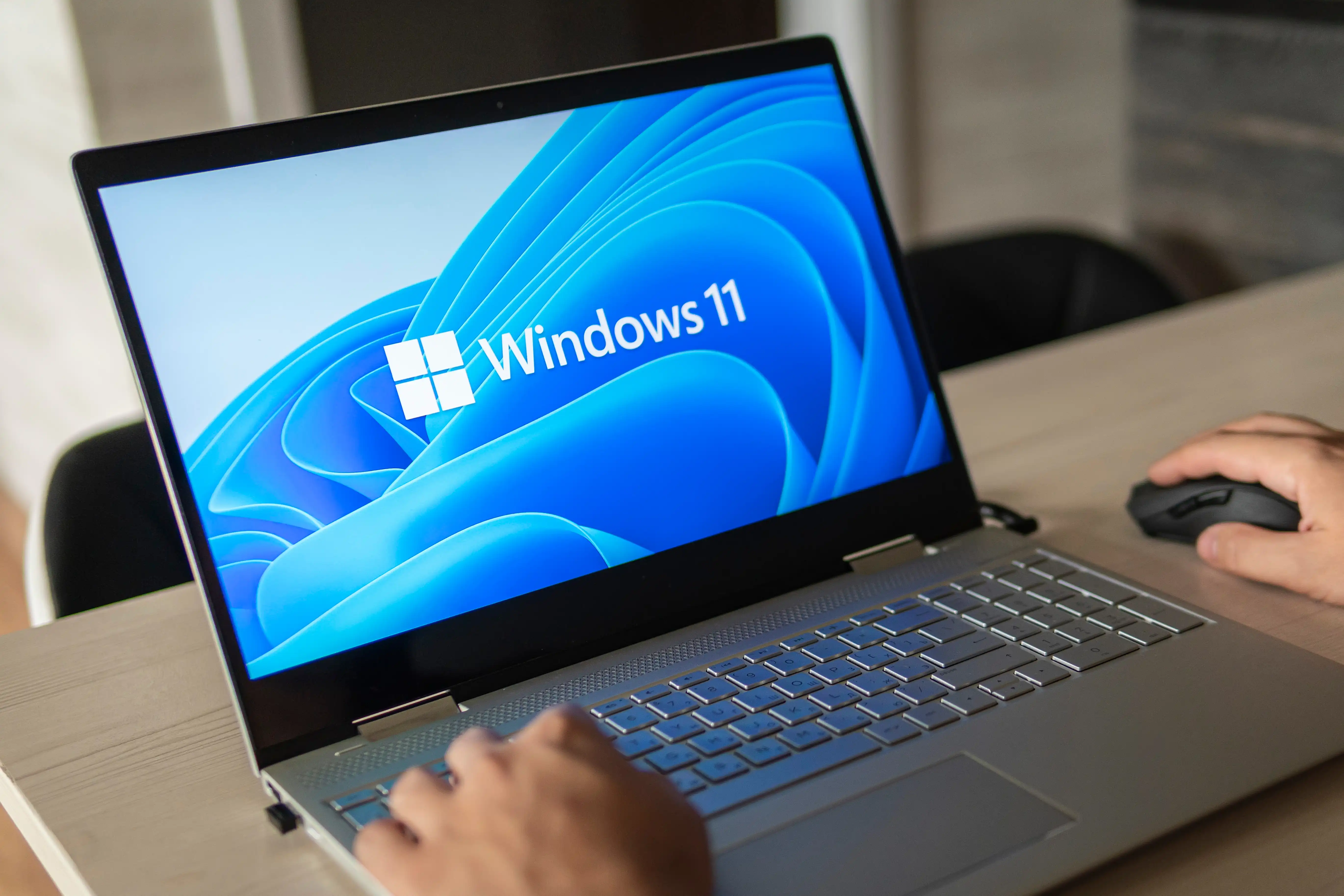
For power users, the potential benefits of K2 are substantial. Developers managing multiple projects, designers relying on rapid file previews, and system administrators handling remote sessions could see dramatic reductions in wasted cycles. If successful, K2 may finally address a core complaint: that Windows feels sluggish not because of the hardware but because the software itself is inefficient.
However, the challenge remains significant. Microsoft must balance performance gains with compatibility and usability. The history of operating system development shows that projects promising much often deliver little, especially when underestimating the complexity of balancing efficiency and flexibility. K2 will need to prove it can optimize without breaking what users rely on.
The stakes are high. If successful, K2 could set a new benchmark for desktop operating systems, demonstrating that efficiency is not just for servers or mobile devices but belongs on every user’s machine. For now, users can only speculate: will this be the project that finally fixes what they’ve been waiting years to see fixed?