Apple’s entry into the foldable smartphone market has always been synonymous with a bold vision for mobile photography. However, emerging details suggest that this vision is becoming less clear—both in execution and capability. The most notable shift lies in the camera system, which was once expected to redefine computational imaging on smartphones.
Initial expectations pointed toward a multi-lens setup designed to push boundaries, but reports now indicate a more conservative approach. The device will retain its 12MP wide and ultra-wide dual-camera configuration, but critical features such as depth sensing and telephoto capabilities in folded mode appear to be missing or delayed. This could leave users without the versatility they were led to expect, particularly those relying on advanced photographic tools for creative expression.
While the core camera hardware remains familiar, the absence of multi-frame fusion and real-time HDR adjustments suggests a more traditional approach compared to competitors who have already integrated periscope zooms and AI-driven enhancements. Apple’s offering may feel like an evolution rather than a revolution, potentially leaving users questioning its value in a crowded market where innovation is rapidly advancing.
On the hardware front, Apple appears to be focusing on refinement over radical change. The upgraded A-series chipset, likely based on last year’s architecture, delivers strong performance for everyday tasks but may face limitations under sustained workloads—especially when used in the folded state. Thermal management could become a significant bottleneck, with reports indicating potential throttling during demanding tasks like video editing or 3D rendering.
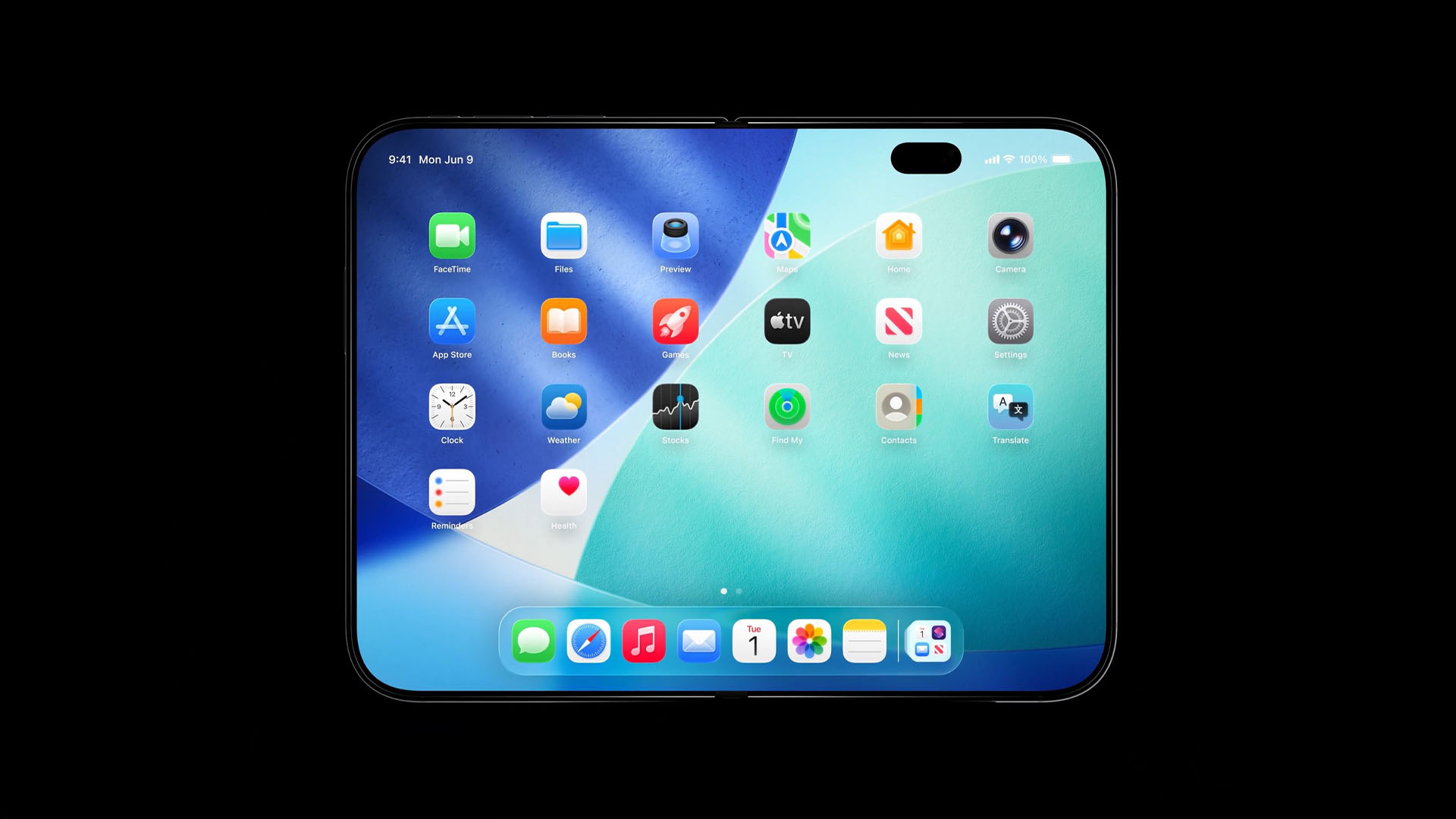
The display is another area where expectations are mixed. While it’s rumored to support up to 108Hz refresh rates in certain modes, this feature isn’t confirmed for all scenarios. Users switching between single and folded states may encounter noticeable lag or performance dips, contrasting with Apple’s usual reputation for seamless transitions seen in its non-foldable devices. The 6.2-inch foldable OLED panel itself is expected to deliver brightness and vibrancy, but the lack of a true 120Hz experience could disappoint users who prioritize smoothness.
Battery life remains a persistent concern, with estimates suggesting a capacity around 4,000mAh—a notable decrease compared to non-foldable iPhones. While Apple’s software optimizations may help extend endurance, casual and power users alike may find the foldable version falling short in real-world usage, particularly when compared to devices that offer longer battery life.
- Display: 6.2-inch foldable OLED with potential support for up to 108Hz refresh rates (not confirmed universally)
- Chipset: Upgraded A-series chip, performance similar to previous generation with potential thermal throttling in folded state
- RAM/Storage: 6GB RAM, storage options ranging from 128GB to 512GB
- Cameras: Dual 12MP setup (wide + ultra-wide), no confirmed depth sensor or telephoto in folded mode
- Battery: Estimated 4,000mAh capacity (smaller than non-foldable iPhones)
- Software: iOS 18 with potential fold-aware optimizations (not yet fully realized)
The true test for Apple’s foldable iPhone will be whether it successfully balances innovation with practicality. Creators and power users may find the device underwhelming if it lacks the tools they need for productivity or content creation, while casual users might not notice a significant difference between this model and its non-foldable counterparts—making the premium pricing even harder to justify.
For now, Apple’s foldable ambitions remain a work in progress. Whether this device will live up to the hype—or become just another incremental step forward—remains an open question. If it fails to deliver on its camera-centric promise, Apple may find itself playing catch-up in a market where competitors are already setting new standards for mobile photography and performance.