Amanita Design has a knack for crafting games that feel like whimsical fairy tales on the surface but carry a quiet, unsettling weight beneath. Their latest project, Phonopolis, is no exception. The demo, unveiled during Steam Next Fest, introduces Felix, a garbage collector in a dystopian city where the ruling Leader* maintains control through relentless propaganda blared from omnipresent speakers. When Felix stumbles upon a headset that blocks the noise—and the Leader’s grip on reality—he’s thrust into a reluctant rebellion against a system that threatens to erase individuality entirely.
The game’s premise draws loose inspiration from George Orwell and Karel Čapek, but Amanita’s signature style ensures it never feels like a dry allegory. Instead, the demo balances sharp social commentary with absurd, darkly comedic moments. One standout puzzle involves manipulating a sunbather and a landlord into an unlikely tryst to sneak into a secret meeting with dissidents—a sequence that’s equal parts ridiculous and oddly touching.
Why This Game Stands Out
What makes Phonopolis particularly striking is how it contrasts its playful tone with moments of genuine tension. The demo’s chase sequences, for instance, feature bumbling regime enforcers who feel more like Keystone Kops than a genuine threat—yet their destruction of artifacts from a pre-Leader era carries a melancholic weight. It’s a reminder that even in satire, the stakes feel uncomfortably real.
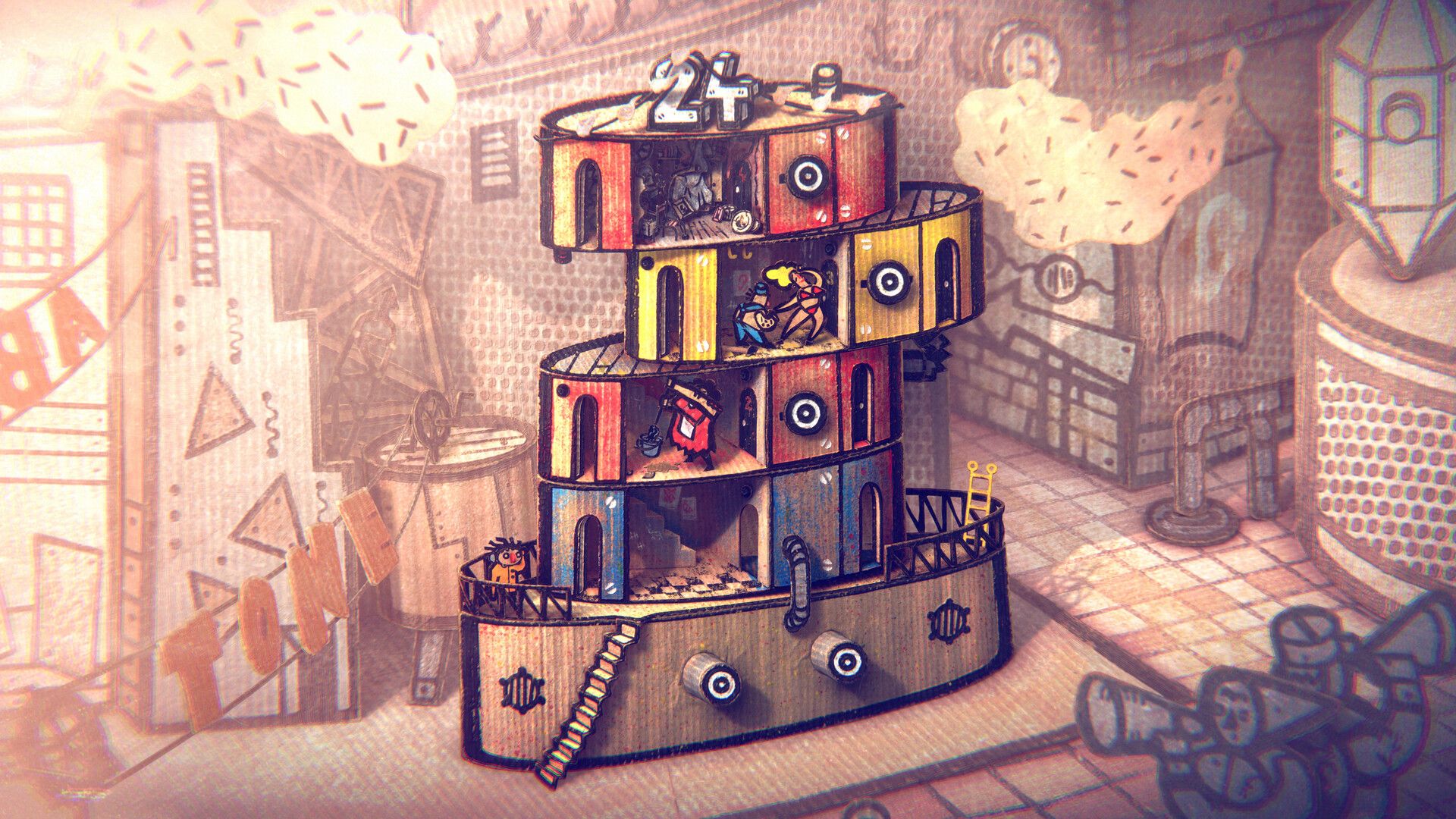
The game’s visual and auditory design is a hallmark of Amanita’s work, with Tomáš Dvořák (Floex) returning to compose a soundtrack that complements the eerie yet whimsical atmosphere. The demo’s short runtime leaves more questions than answers, but it’s clear this will be a game where exploration is encouraged without punishment—failure is rarely an option, and curiosity is rewarded.
Who Should Play It?
Fans of Amanita’s previous titles—Machinarium, Samorost 3, or Botanicula—will find familiar charm here, but Phonopolis* distinguishes itself by weaving its themes more overtly into the fabric of the world. It’s not a game that shies away from its inspirations, yet it never feels preachy. The humor keeps it accessible, while the underlying critique ensures it lingers in the mind long after the demo ends.
For those unfamiliar with Amanita’s style, this is a great entry point. The demo’s blend of clever puzzles, witty writing, and striking art direction makes it impossible to look away—even if the world Felix inhabits is one where freedom is a rebellion waiting to happen.
The full game is expected to expand on these themes, promising a deeper dive into a society where individuality is both the greatest weapon and the most dangerous threat. Until then, the demo is available for those eager to see how Amanita balances absurdity with a message that feels increasingly relevant.