A quiet but critical shift is underway in the world of high-performance memory. GDDR6, once a niche component for gaming consoles and graphics cards, is now facing a surge in demand that could ripple through the industry. This isn't just another supply crunch—it's a potential bottleneck with long-term implications for Sony's PlayStation 5 and the next generation of GPUs.
The issue stems from GDDR6's rapid adoption beyond its traditional markets. While it has long been the memory of choice for gaming platforms, its technical advantages—higher bandwidth, lower power consumption, and better heat dissipation—are now making it a top pick for data centers, AI accelerators, and even automotive systems. The result? A scramble to secure supply that could leave some of the most anticipated hardware projects in limbo.
The PlayStation 5 Factor
Sony's PlayStation 5 has been a cornerstone of GDDR6 demand since its launch, with each console requiring a dedicated 16GB module. But the console's reliance on this memory isn't just about raw capacity—it's also about performance. The PS5's custom AMD GPU is designed to leverage GDDR6's high bandwidth to deliver real-time ray tracing and advanced rendering features. If supply tightens, Sony may face tough choices: whether to prioritize certain markets, adjust production timelines, or even rethink hardware specifications.
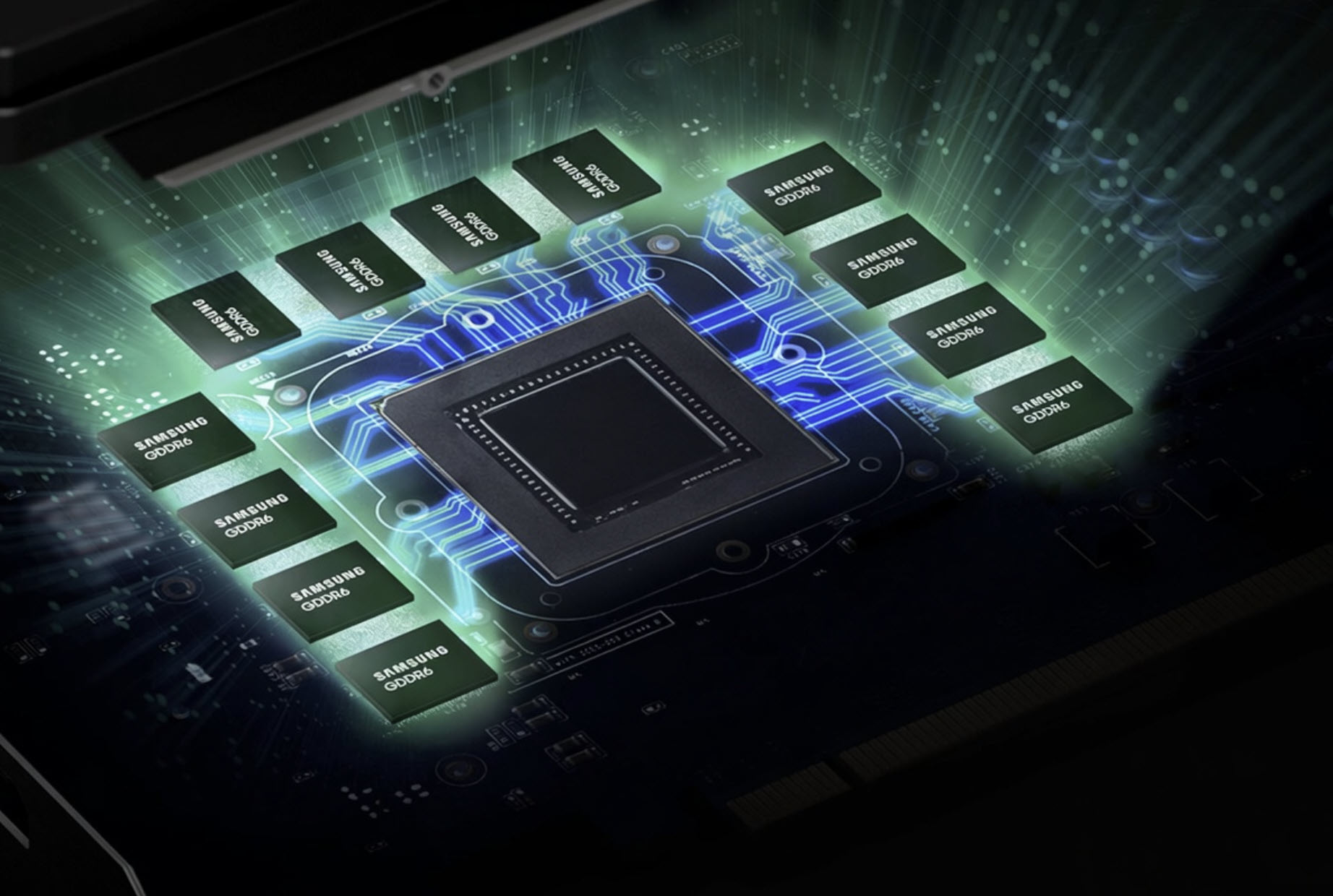
This isn't hypothetical. Industry reports suggest that GDDR6 shortages have already begun to impact other segments, such as AI training cards and high-end workstations. The problem is compounded by the fact that GDDR6 production is concentrated in a few key foundries, leaving little room for flexibility when demand spikes unexpectedly.
What Does This Mean for Gamers?
- Shorter-term: Potential delays or reduced availability of next-gen gaming hardware, including consoles and GPUs, if manufacturers struggle to source sufficient GDDR6.
- Longer-term: A possible shift toward alternative memory solutions (like HBM or LPDDR) in some high-performance applications, though these come with their own trade-offs in cost and efficiency.
The real uncertainty lies in how this plays out. Will Sony be able to secure enough GDDR6 for the PS5's lifecycle? Or will we see a gradual phase-out of GDDR6 in favor of newer technologies, even if it means higher costs or performance compromises? One thing is clear: the memory crunch isn't just about today's hardware—it's about the roadmap for gaming's future.
The GDDR6 shortage serves as a reminder that no component exists in isolation. What starts as a supply issue can quickly become a platform challenge, forcing manufacturers to rethink everything from design to pricing. For now, the focus is on whether this crunch will be a temporary hiccup or a lasting shift in how we build next-gen systems.