There’s a quiet magic in indie games that feel like they were made by a single creative spark—no corporate polish, just raw imagination. OddFauna: Secret of the Terrabeast is one of those games, a crafting and survival sandbox where every creature, tool, and building block was shaped by hand in clay before being brought to life digitally.
The game drops players onto the back of a colossal, goofy whale-like beast called the Terrabeast, tasked with carving out a life as a small Astor creature. Chop trees for wood, gather flowers to befriend local Fauna, and snap together tiny cottages or terraform the landscape with a shovel. It’s a cozy, methodical experience—one that rewards patience with a world that feels alive in its details.
The demo, now playable during Steam Next Fest, spans five in-game days and offers a taste of the game’s core loop. Players can build a basic wooden house, plant sweetroot (a parsnip-like crop), and befriend three Fauna, each with unique traits—some can be ridden, others dig or burrow. The crafting system is intuitive once unlocked, though the demo could benefit from clearer guidance on progression.
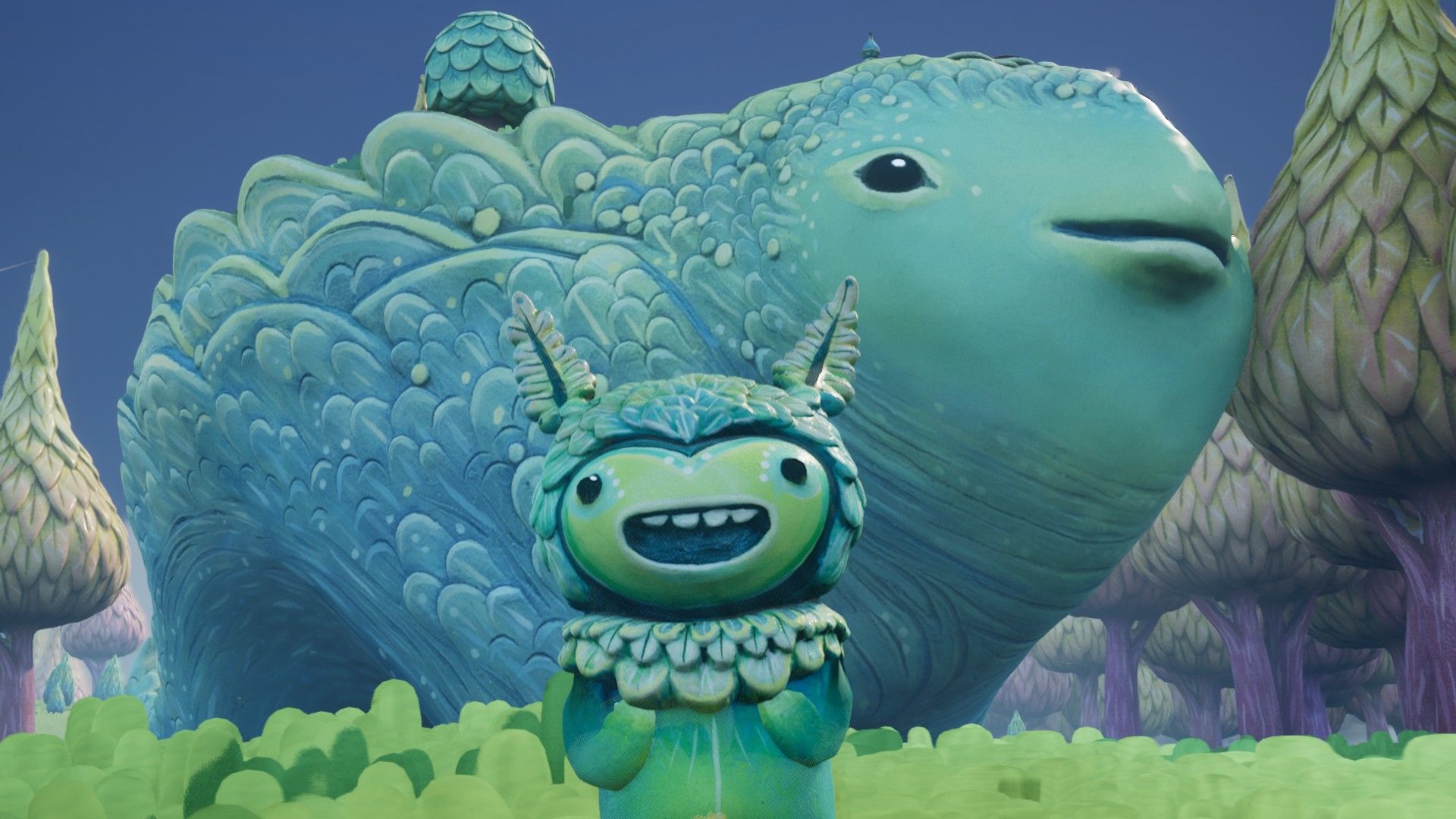
What sets OddFauna apart is its art style. The husband-and-wife dev team behind it—Emma SanCartier and Cliff Mitchell—sculpt every creature and object by hand using polymer clay, then 3D-scan and animate them. The result is a game where characters exude warmth and personality, from the bug-eyed Fauna to the quirky Astor players control. Even the Terrabeast’s exaggerated, friendly design makes the world feel inviting.
Beyond the demo, the full game promises deeper environmental interactions. Players’ choices—what they plant, how they shape the land—will influence the behavior and appearance of nearby Fauna. A grove of trees might attract a different species than a patch of flowers, and water features could alter the terrain in unexpected ways. It’s a promise of a living ecosystem that reacts to the player’s touch.
The game targets an early access release in spring 2026, giving players time to explore its demo before committing. For now, it’s a reminder that some of the most rewarding games come from small teams with big ideas—and a little clay.
One last question lingers: Why does that one Fauna wear what looks like a hat and armor made from another creature? The mysteries of OddFauna run deep.