Game developers and the public were caught off guard by NVIDIA's announcement of DLSS 5, a technology that could reshape how games are rendered—but not without tradeoffs.
The new version of Deep Learning Super Sampling (DLSS) is designed to deliver up to 3.1x performance improvements in supported titles, a substantial jump from its predecessors. However, the immediate question for PC builders and developers is whether this upgrade justifies the cost or if it will become obsolete quickly.
DLSS 5 builds on NVIDIA's existing DLSS framework but introduces significant architectural changes. It leverages advanced AI upscaling techniques, including a new frame generation mode that can produce entirely new frames between rendered frames. This is intended to smooth out gameplay and improve visual fidelity, particularly in fast-moving scenes.
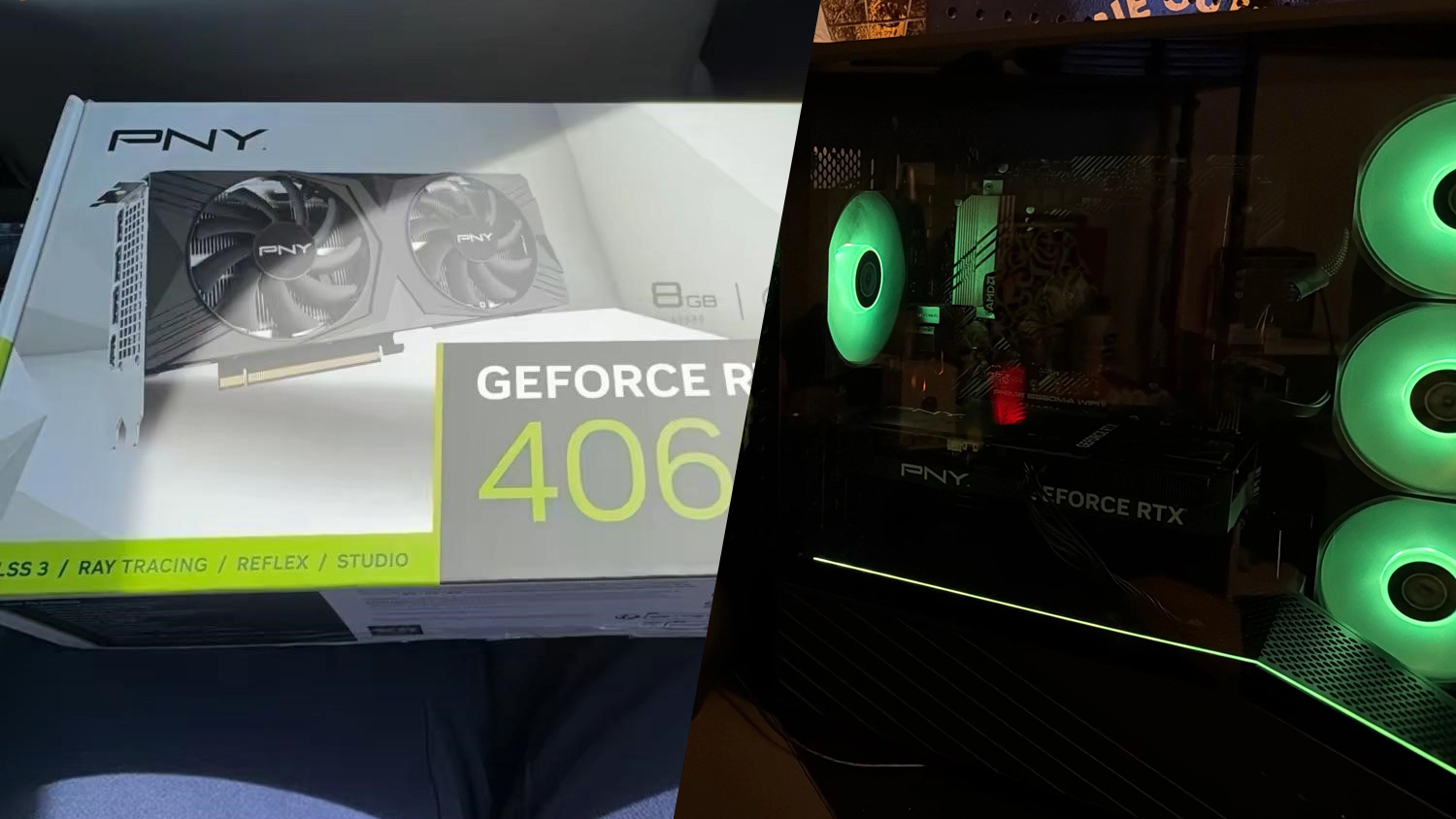
For PC builders, the decision to upgrade hardware becomes more complex with DLSS 5. The technology requires compatible GPUs, which are expected to be part of NVIDIA's upcoming Ada Lovelace architecture. This means that users may need to wait for new hardware releases before fully utilizing DLSS 5's capabilities.

Developers face a different set of challenges. Since the announcement was simultaneous for both them and the public, there is limited time to integrate DLSS 5 into existing pipelines. This could lead to a temporary slowdown in adoption, particularly if developers need to rework shaders or rendering logic to support the new features.
One of the key advantages of DLSS 5 is its potential to reduce the performance gap between high-end and mid-range GPUs. By enabling smoother gameplay at higher resolutions, it could make premium graphics more accessible without requiring top-tier hardware. However, this benefit may be offset by the need for more powerful GPUs to handle the additional computational load.
NVIDIA has not yet disclosed pricing or availability details for DLSS 5, leaving many questions unanswered. For now, users and developers must weigh whether the immediate benefits outweigh the long-term risks of investing in a technology that may evolve rapidly.
The next steps will be crucial. If NVIDIA can demonstrate sustained performance improvements without sacrificing visual quality, DLSS 5 could become a standard feature for future games. Otherwise, it may remain a niche tool, limited to early adopters and high-end systems.