Weather prediction just got a major upgrade—thanks to NVIDIA’s latest AI initiative. At the American Meteorological Society’s Annual Meeting, the company unveiled **Earth-2**, a fully open, production-ready suite of models and frameworks tailored for weather and climate AI. Unlike previous closed-source solutions, Earth-2 is designed to accelerate research and operational forecasting by making advanced tools accessible to institutions, researchers, and developers worldwide.
The platform includes a collection of pre-trained AI models optimized for tasks like precipitation forecasting, severe weather detection, and long-term climate modeling. By leveraging NVIDIA’s accelerated computing capabilities, Earth-2 aims to deliver faster, more accurate predictions while lowering the barrier to entry for organizations that previously lacked the resources to develop such systems in-house.
What sets Earth-2 apart is its **open-source nature**—a rarity in high-performance AI weather modeling. Most commercial weather systems rely on proprietary algorithms, limiting collaboration and innovation. Earth-2 flips this script, offering a modular architecture where users can fine-tune models for regional needs, integrate custom datasets, or even contribute improvements back to the community.

- Foundational models: Pre-trained AI frameworks for global weather simulation, built on NVIDIA’s accelerated computing infrastructure.
- Libraries: Open-source tools for data preprocessing, model training, and inference—compatible with NVIDIA GPUs and cloud platforms.
- Frameworks: Support for hybrid cloud and on-premises deployment, ensuring flexibility for research labs and operational meteorological services.
- Benchmark datasets: High-resolution weather records to train and validate models, including historical and real-time observations.
For meteorologists and climate scientists, Earth-2 could mean faster iteration on forecasting techniques. Research institutions no longer need to build everything from scratch; they can leverage pre-optimized models and adapt them to local conditions. Meanwhile, commercial weather services might reduce costs by avoiding proprietary licensing fees while gaining access to cutting-edge AI capabilities.
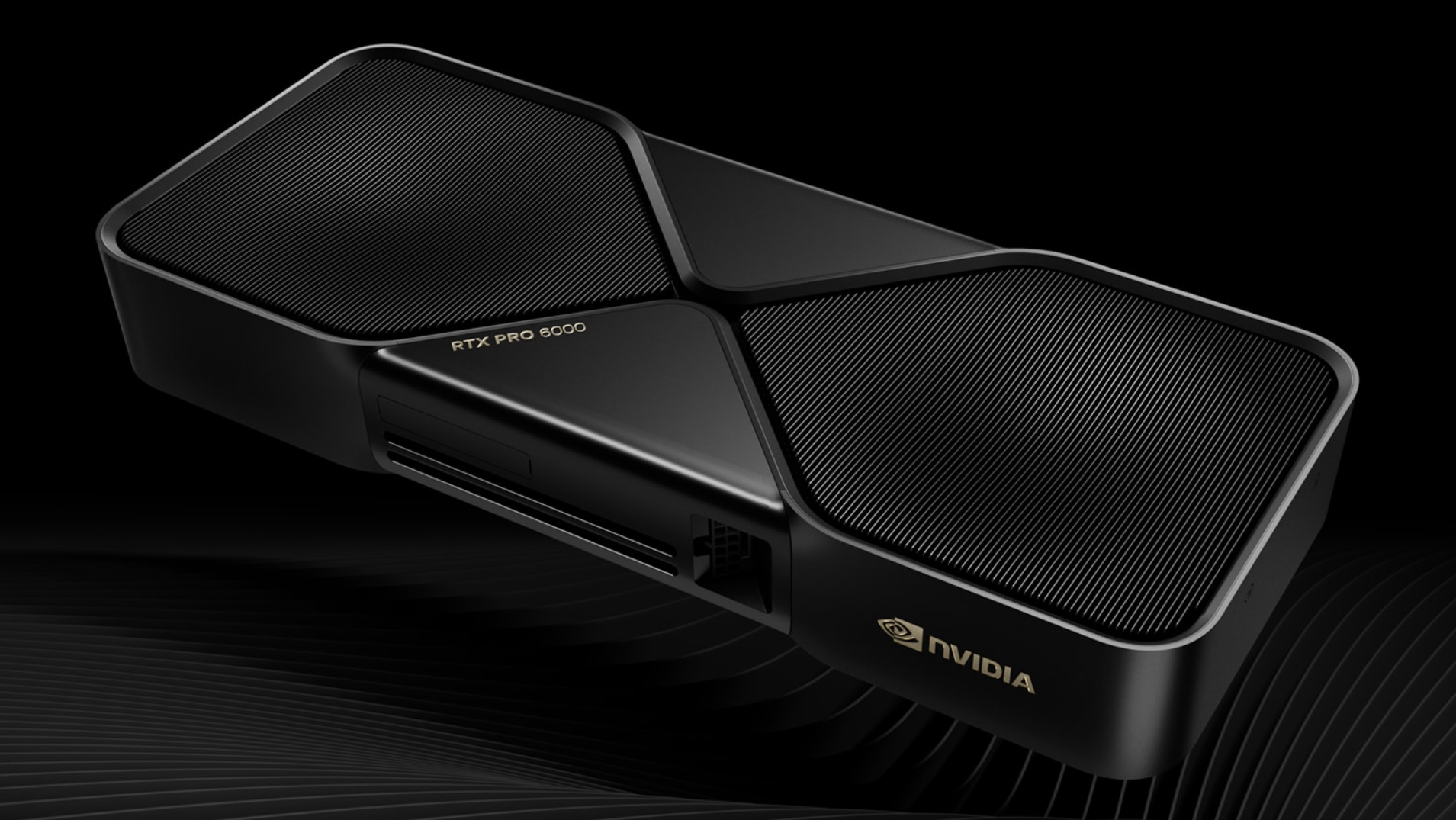
One tradeoff is that users will need NVIDIA’s hardware ecosystem to achieve peak performance, though the open architecture allows for partial compatibility with other systems. The platform is still in its early stages, with NVIDIA emphasizing collaboration to refine its tools before widespread adoption.
Earth-2 marks a pivotal shift in how AI-driven weather modeling is developed and shared. By removing proprietary walls, NVIDIA is positioning itself as a key enabler for the next generation of climate science—and potentially reshaping global forecasting standards.