Efficiently managing GPU resources has long been a bottleneck for large-scale AI training, especially as models grow more demanding and data centers push toward higher performance per watt. NVIDIA is addressing this challenge by transferring its Dynamic Resource Allocation (DRA) Driver for GPUs to the Cloud Native Computing Foundation (CNCF), where it will become part of the Kubernetes project. The donation, announced at KubeCon Europe in Amsterdam, shifts control from vendor governance to community ownership, allowing broader input and faster adaptation to evolving cloud-native needs.
The DRA Driver is built to optimize GPU utilization for AI workloads, supporting features like NVIDIA Multi-Process Service (MPS) and Multi-Instance GPU technologies. It also enables native integration with NVIDIA Multi-Node NVLink interconnect technology, crucial for scaling AI models on the company’s Grace Blackwell systems. By opening this software to the community, NVIDIA aims to reduce development friction while improving thermal efficiency—a critical factor as data centers scale up.
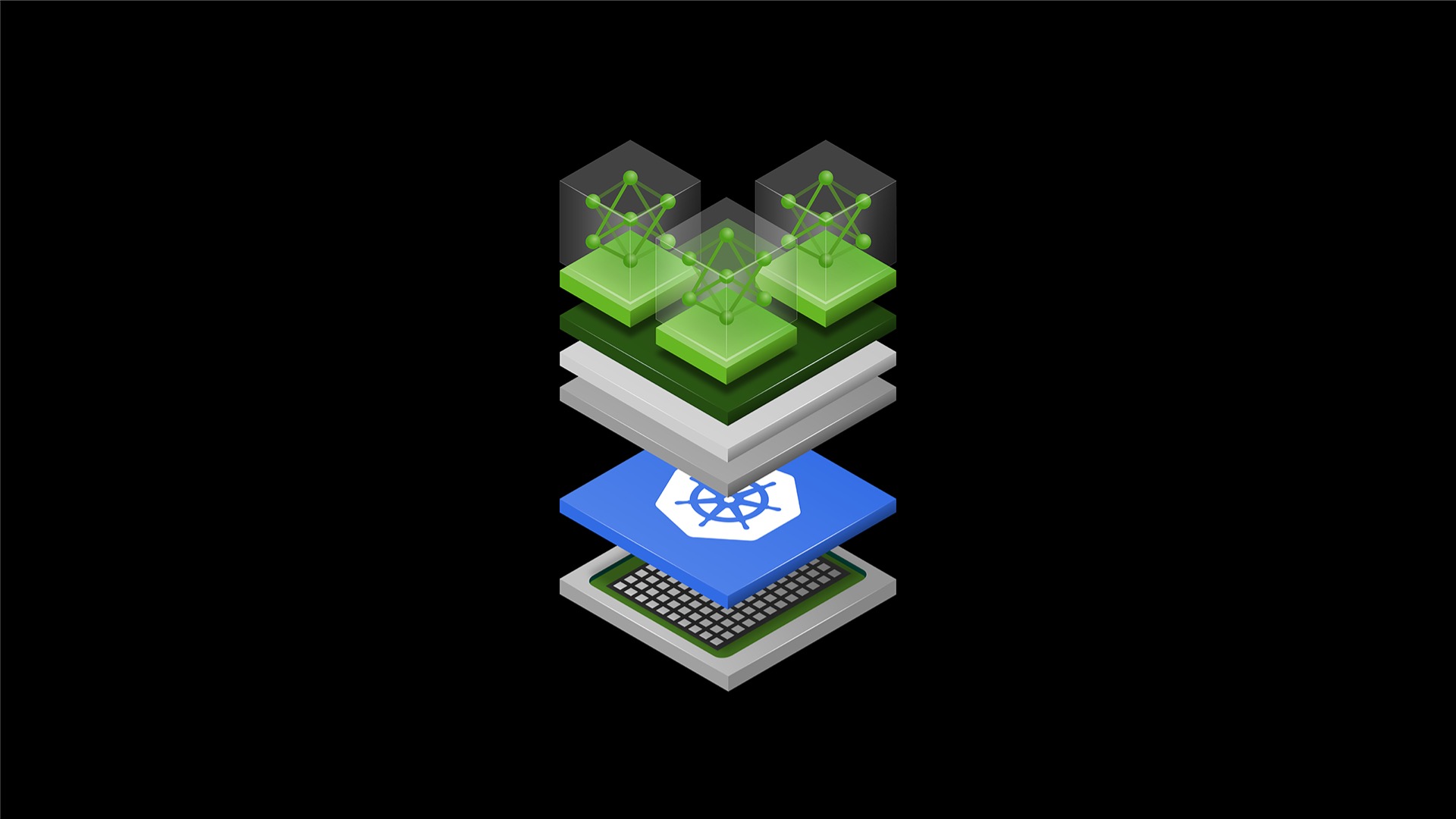
- The DRA Driver will be integrated into Kubernetes, making GPU orchestration more transparent and accessible across cloud environments.
- It supports dynamic reconfiguration of hardware resources on demand, allowing developers to adjust compute power, memory, or interconnect settings in real time.
- The driver is designed for large-scale AI training, with native support for NVIDIA’s Grace Blackwell systems and next-generation NVLink interconnects.
- Additional GPU acceleration features are being introduced through collaboration with the CNCF’s Confidential Containers initiative, enhancing security isolation for sensitive workloads.
This is part of a broader effort by NVIDIA to strengthen open-source contributions in AI infrastructure. The company has already donated other projects, including NVSentinel (a GPU fault remediation system) and the KAI Scheduler, which was recently onboarded as a CNCF Sandbox project. These initiatives align with industry trends toward standardization in high-performance computing, particularly for enterprise AI deployments.
While the DRA Driver is now available under community governance, some details about its long-term roadmap remain uncertain. For example, whether it will integrate deeper with emerging Kubernetes extensions like Grove—a new API for orchestrating AI workloads—has not been confirmed. Developers can begin testing and contributing to the driver immediately, though adoption may depend on how quickly the Kubernetes ecosystem adopts these optimizations.