NVIDIA has rolled out DLSS 5, the next iteration of its AI-powered image upscaling technology, with a focus on delivering better visual fidelity without sacrificing too much performance. The claim is that this version will offer a significant leap in sharpness and detail while maintaining the efficiency that has long been a hallmark of the DLSS series.
For gamers, the question isn't just about whether the technology works as advertised—it's whether it actually makes their games look better or if it's just another layer of AI processing that doesn't translate to real-world improvements. The skepticism is palpable, and NVIDIA’s approach to addressing these concerns will be crucial in determining how widely DLSS 5 is adopted.
What’s Changing?
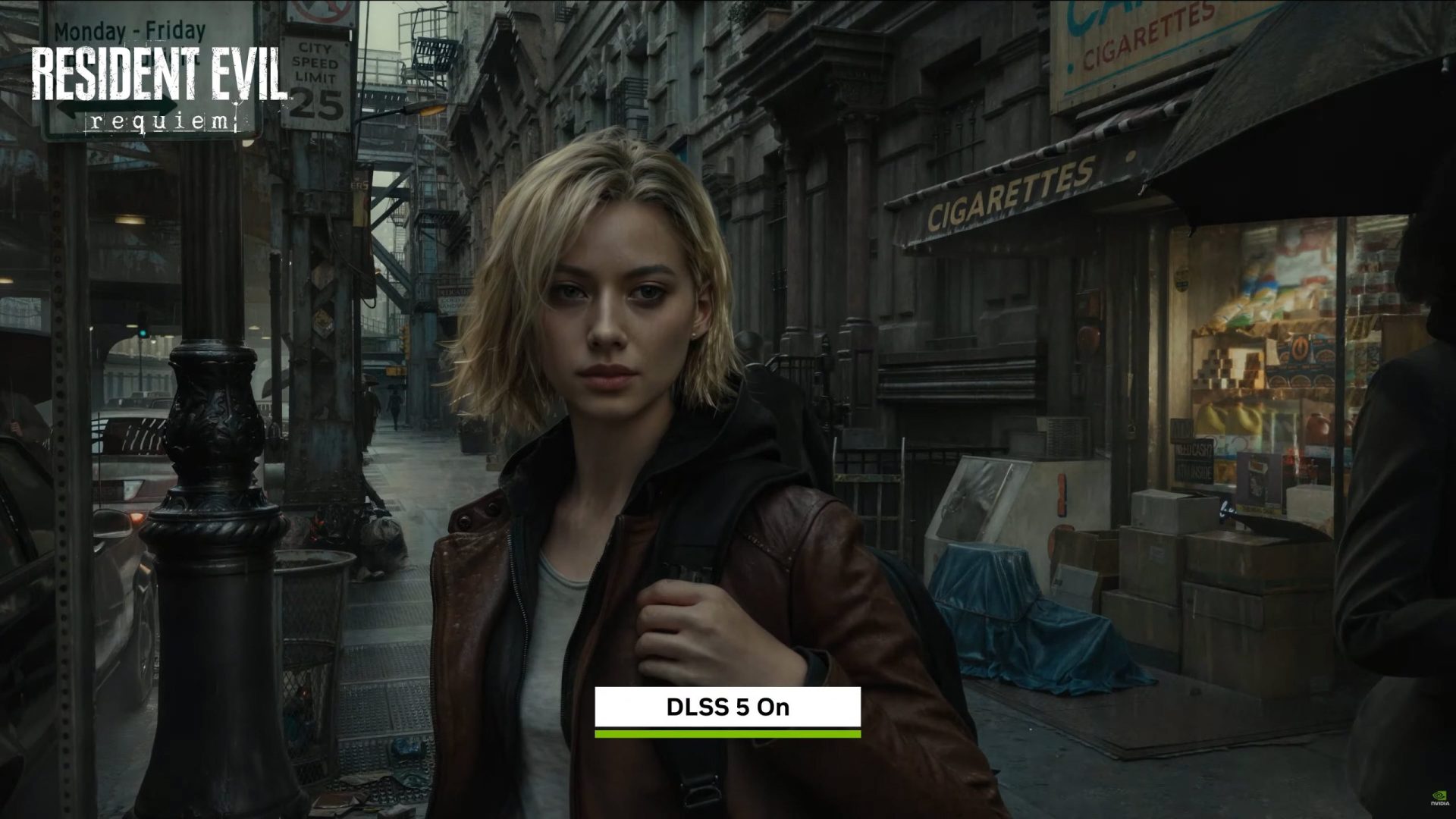
DLSS 5 builds on the foundation laid by previous versions, but with a more aggressive use of AI to enhance image quality. The key claims are
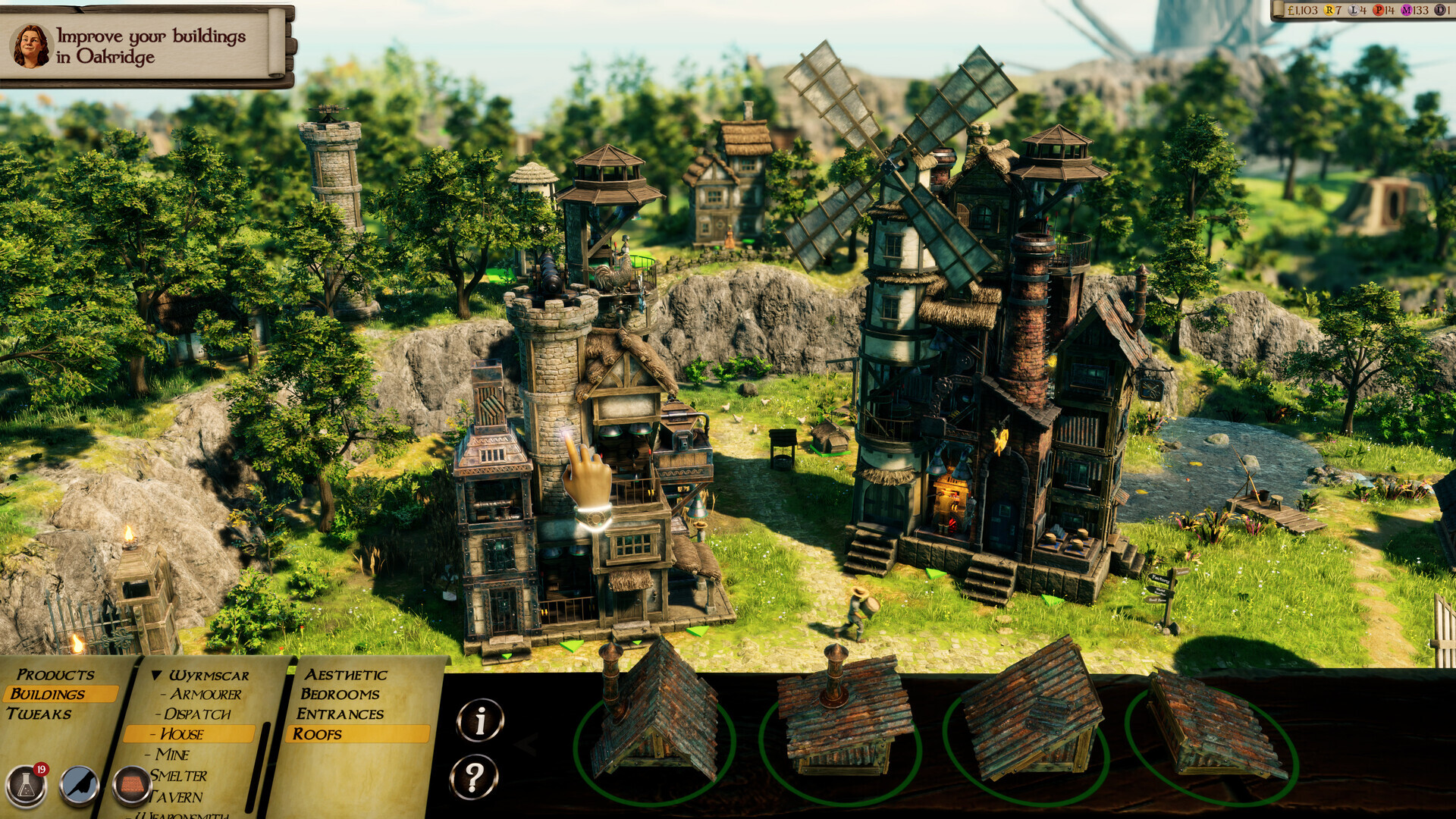
- Higher sharpness and detail: NVIDIA is promising that DLSS 5 will deliver images that are closer to native resolution, with less visible upscaling artifacts.
- Better performance: While previous versions of DLSS already offered performance boosts, DLSS 5 is said to push those gains even further, making it more appealing for high-refresh-rate gaming.
- Wider compatibility: The technology is being integrated into a broader range of games and platforms, which could make it a more mainstream feature rather than a niche tool for RTX users.
The challenge will be proving that these improvements are tangible. Gamers have grown accustomed to seeing AI upscaling technologies struggle with edge cases—blurry textures, oversmoothed details, or even outright hallucinations where the AI fills in information that isn't actually there. DLSS 5 will need to avoid those pitfalls if it wants to gain traction.
Reception and Reality
The reaction to DLSS 5 has been a mix of cautious optimism and healthy skepticism. On one hand, the idea of AI that can intelligently upscale images without losing too much quality is compelling. Gamers are always looking for ways to squeeze more performance out of their hardware, especially as resolution demands continue to rise.
On the other hand, there’s a lingering fear that DLSS 5 might prioritize performance over image fidelity in a way that makes games look worse rather than better. The previous versions have shown promise, but they’ve also had moments where the AI’s interpretation of the scene doesn’t quite match what the human eye expects. That balance will be critical for DLSS 5 to succeed.
Who Should Care?
DLSS 5 is primarily aimed at gamers with NVIDIA RTX GPUs, but its impact could ripple outward. If it delivers on its promises, it could set a new standard for AI upscaling, encouraging other hardware manufacturers to adopt similar technologies. For now, though, the focus will be on whether DLSS 5 can live up to the hype without falling into the trap of overpromising and underdelivering.
The most important change isn’t just the technology itself—it’s the shift in how NVIDIA is positioning AI in gaming. If DLSS 5 can prove that it enhances visuals without sacrificing too much performance, it could mark a turning point for AI upscaling as a whole. But if it stumbles, it may reinforce the skepticism that has dogged these technologies from the start.