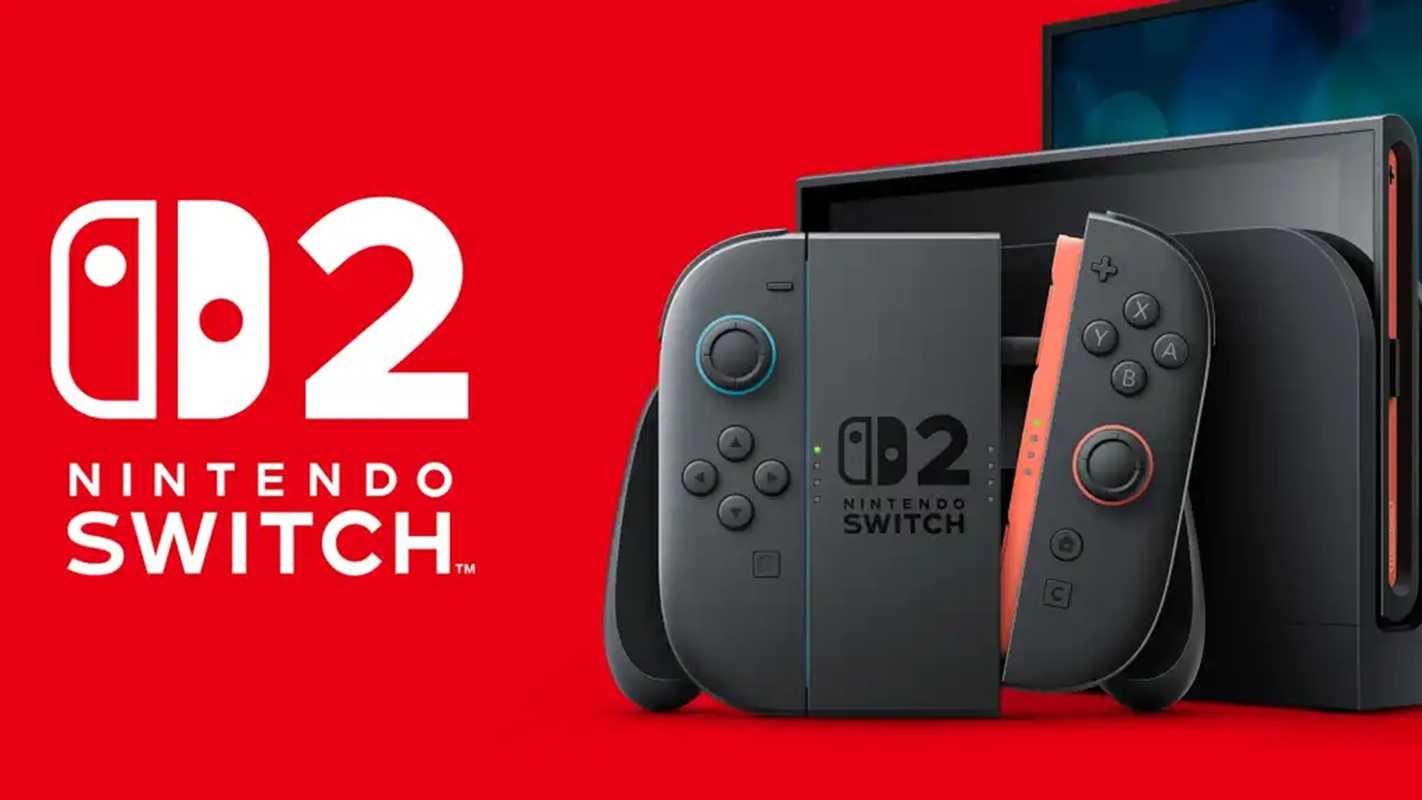
The $50 discount on the Nintendo Switch 2, which takes effect before Nintendo’s planned price rise, introduces a layer of financial flexibility for developers at a time when the platform’s long-term trajectory is still uncertain. While the immediate savings are clear—$50 off the console’s current price—the broader context suggests Nintendo is navigating a delicate balance between cost management and market demand.
The Switch 2, equipped with 4 GB of RAM and powered by NVIDIA’s custom Tegra T210 processor, has faced slower adoption compared to its predecessor. This discrepancy in performance and sales may explain why Nintendo is opting for incremental adjustments rather than aggressive pricing strategies. The discount, though beneficial in the short term, does little to address deeper questions about the platform’s ecosystem, including game library growth and hardware upgrades.
- Developers gain immediate cost relief but must weigh this against potential long-term risks if adoption remains sluggish.
- The timing of the price increase—just months after launch—hints at a cautious approach, possibly reflecting concerns over sales momentum or competition from other platforms.
- Nintendo’s focus appears to be on stabilizing its position rather than expanding aggressively, which could influence developer confidence and consumer interest.
The discount itself is a tactical move, offering developers a window to secure hardware at a reduced cost without committing to long-term investments. However, the lack of clarity around adoption metrics or future roadmaps means this relief may not translate into sustained momentum for the platform. As Nintendo prepares for the September price adjustment, the question remains whether this discount can create enough traction to justify the increase—or if it merely delays the inevitable challenges of maintaining a competitive edge in an evolving market.
The Switch 2’s compatibility with existing Switch games and accessories adds another layer of complexity. Developers must decide whether investing in the platform now aligns with their long-term strategies, especially when the ecosystem’s health is still uncertain. For Nintendo, the discount serves as a stopgap measure, but its effectiveness will depend on whether it can spark enough interest to offset the upcoming price rise and solidify the Switch 2’s place in the market.