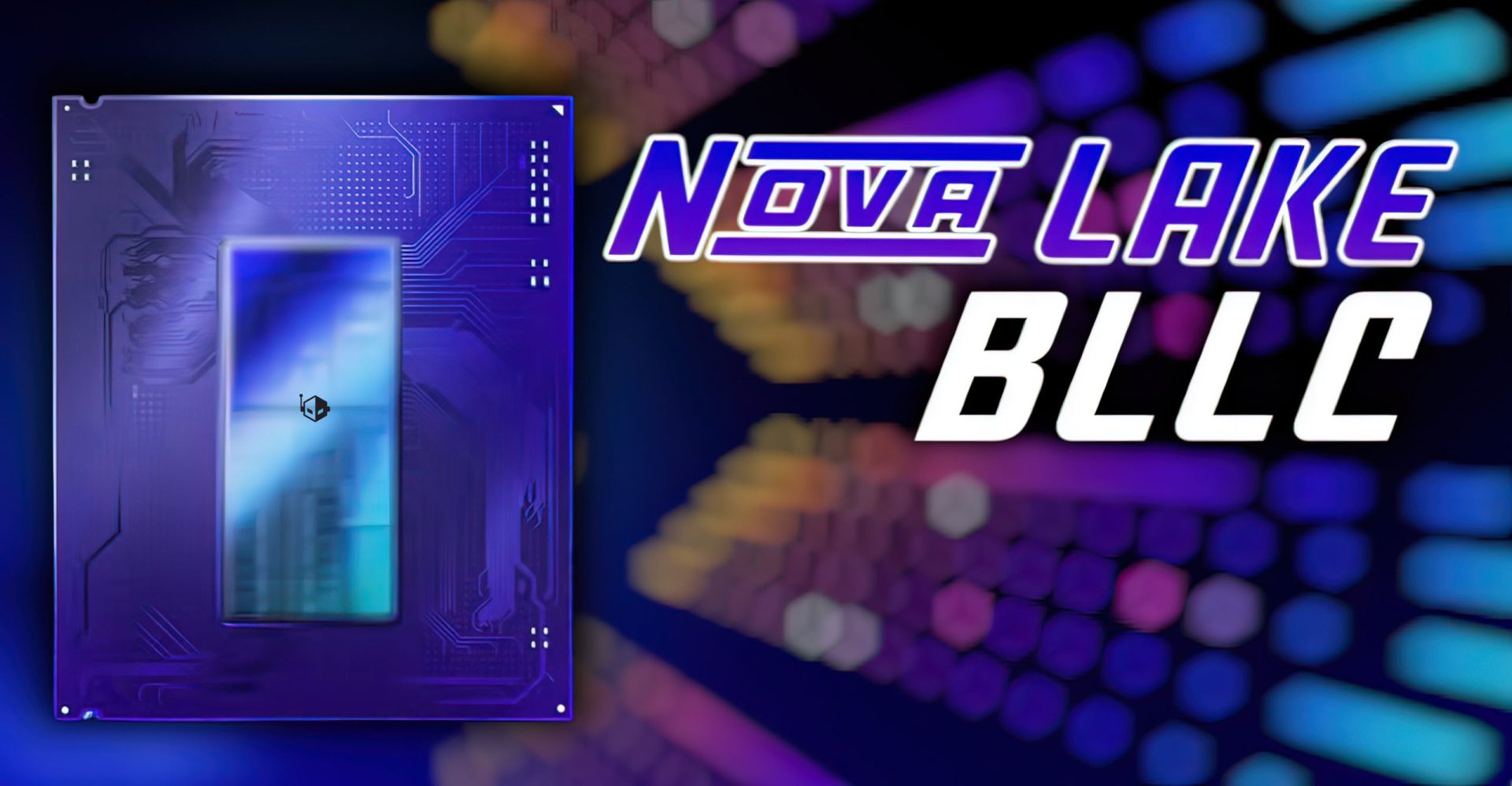
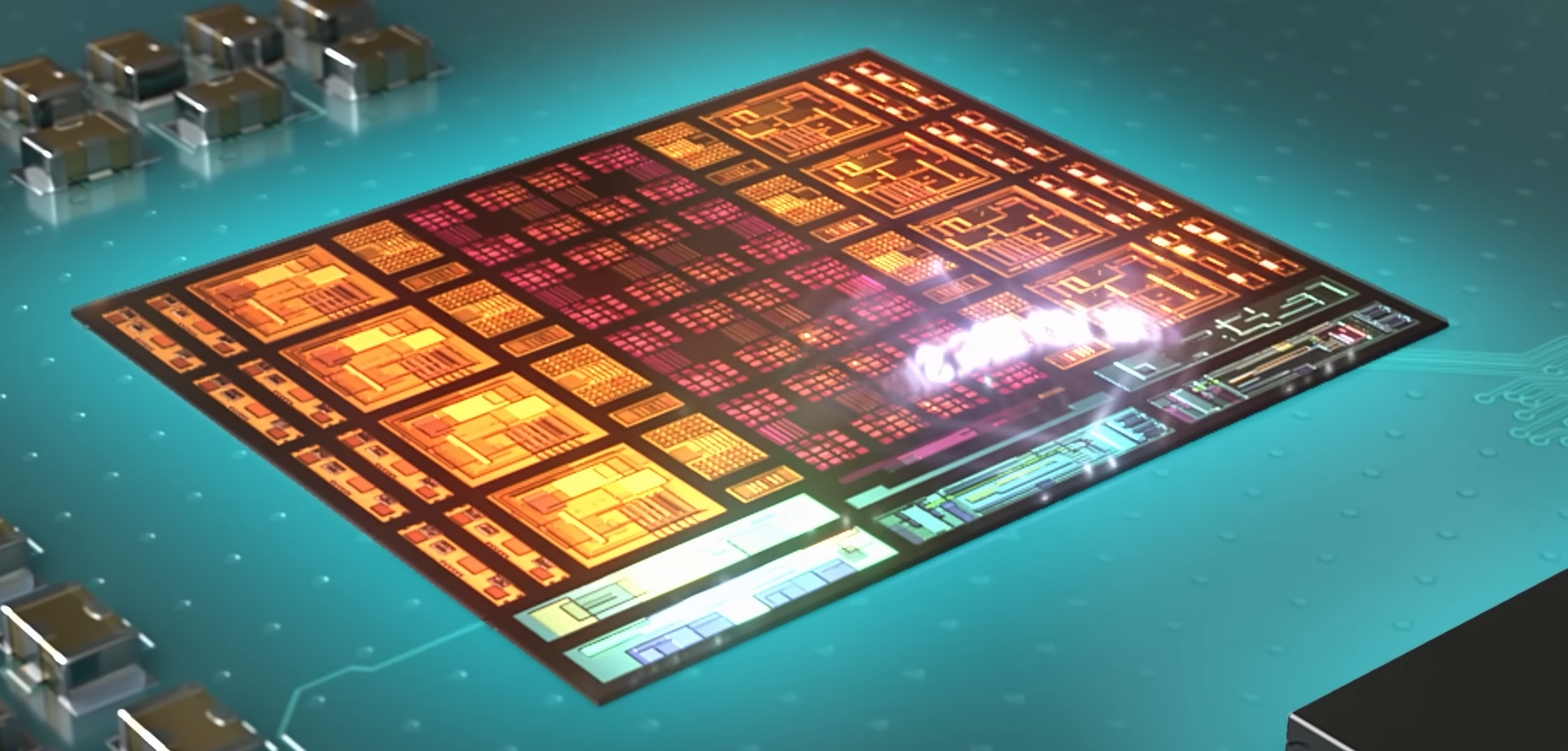
The computing landscape is shifting. Where once desktops needed room to breathe, today’s workloads demand density—especially for AI and data processing. Enter the MS-03 from Minisforum: a workstation that crams Intel Panther Lake CPUs into a footprint so small it could sit on a bookshelf without complaint, yet runs those chips at 70W TDP, a figure that whispers ‘efficiency’ while still delivering serious horsepower.
This isn’t just about fitting more power in less space. It’s about rethinking how workstations operate when constrained by form factor and energy use. The MS-03 skirts the usual desktop bloat, targeting users who need raw compute but can’t afford the heat or footprint of traditional towers.
What’s New
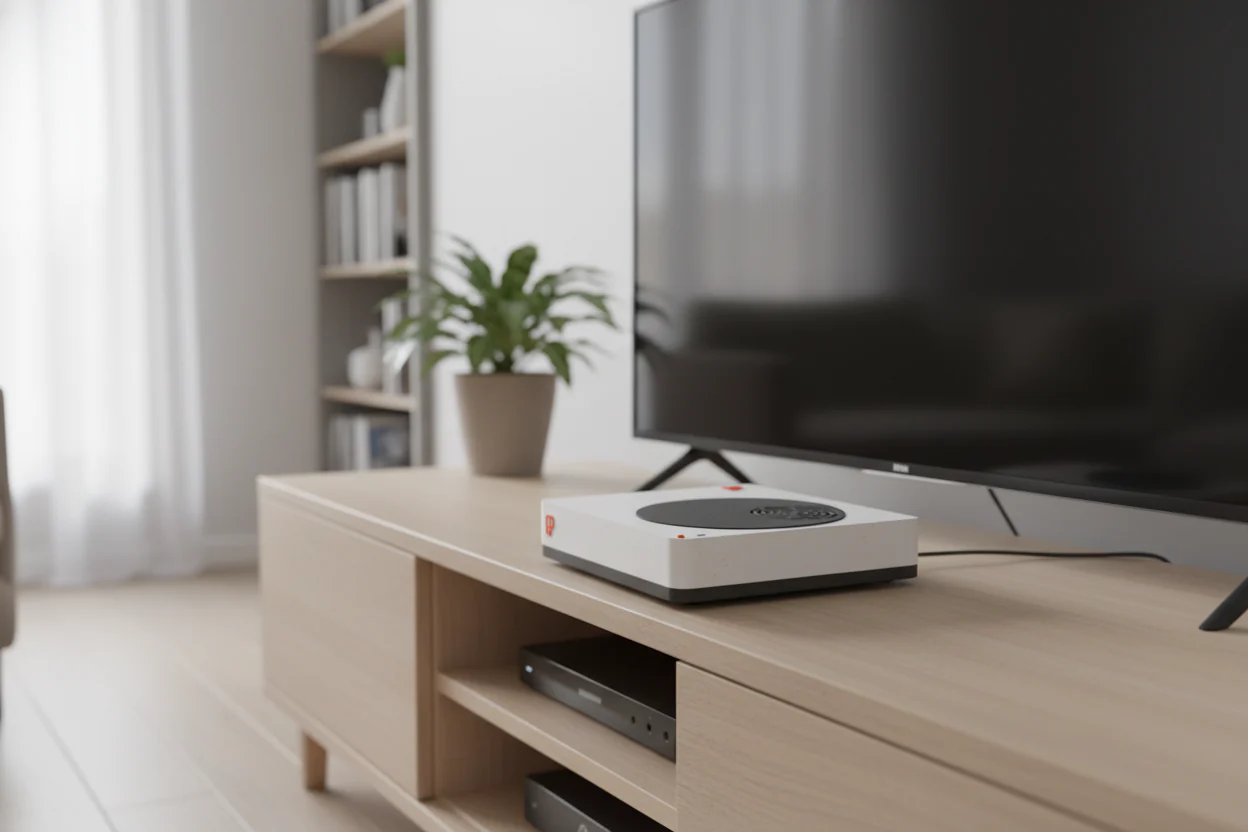
The MS-03 stands out for its combination: Panther Lake CPUs—Intel’s latest mainstream processors—mated to a chassis that measures just 198 × 198 × 57 mm. That’s roughly the size of a thick notebook, yet it supports dual-socket configurations and up to 2 TB of DDR5 RAM. The TDP rating of 70W per CPU is notable not because it’s low (it isn’t), but because it’s achievable in such a compact form factor without thermal compromise.
Key Details
- Form factor: Mini-ITX (198 × 198 × 57 mm)
- CPU support: Intel Panther Lake (up to dual-socket, TDP 70W per CPU)
- RAM: Up to 2 TB DDR5
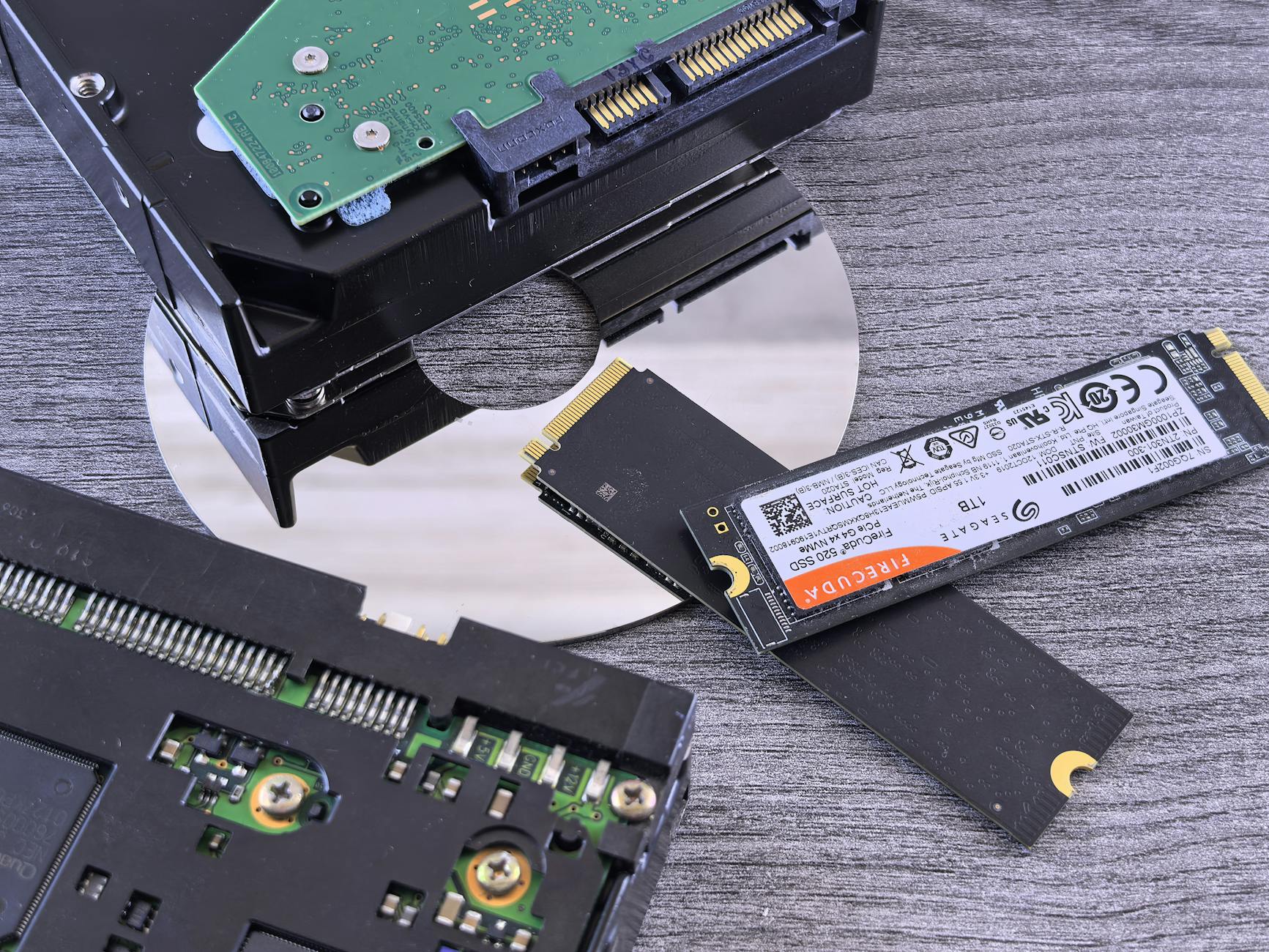
- Storage: M.2 slots for NVMe SSDs
- Connectivity: Thunderbolt 4, USB 4.0, PCIe 5.0
The design leans toward modularity; users can swap out storage and GPUs without tools, a nod to the growing need for flexibility in data-heavy workloads. The inclusion of Thunderbolt 4 and USB 4.0 hints at support for external AI accelerators or high-speed peripherals—a practical touch given the rise of distributed computing setups.

Why It Matters
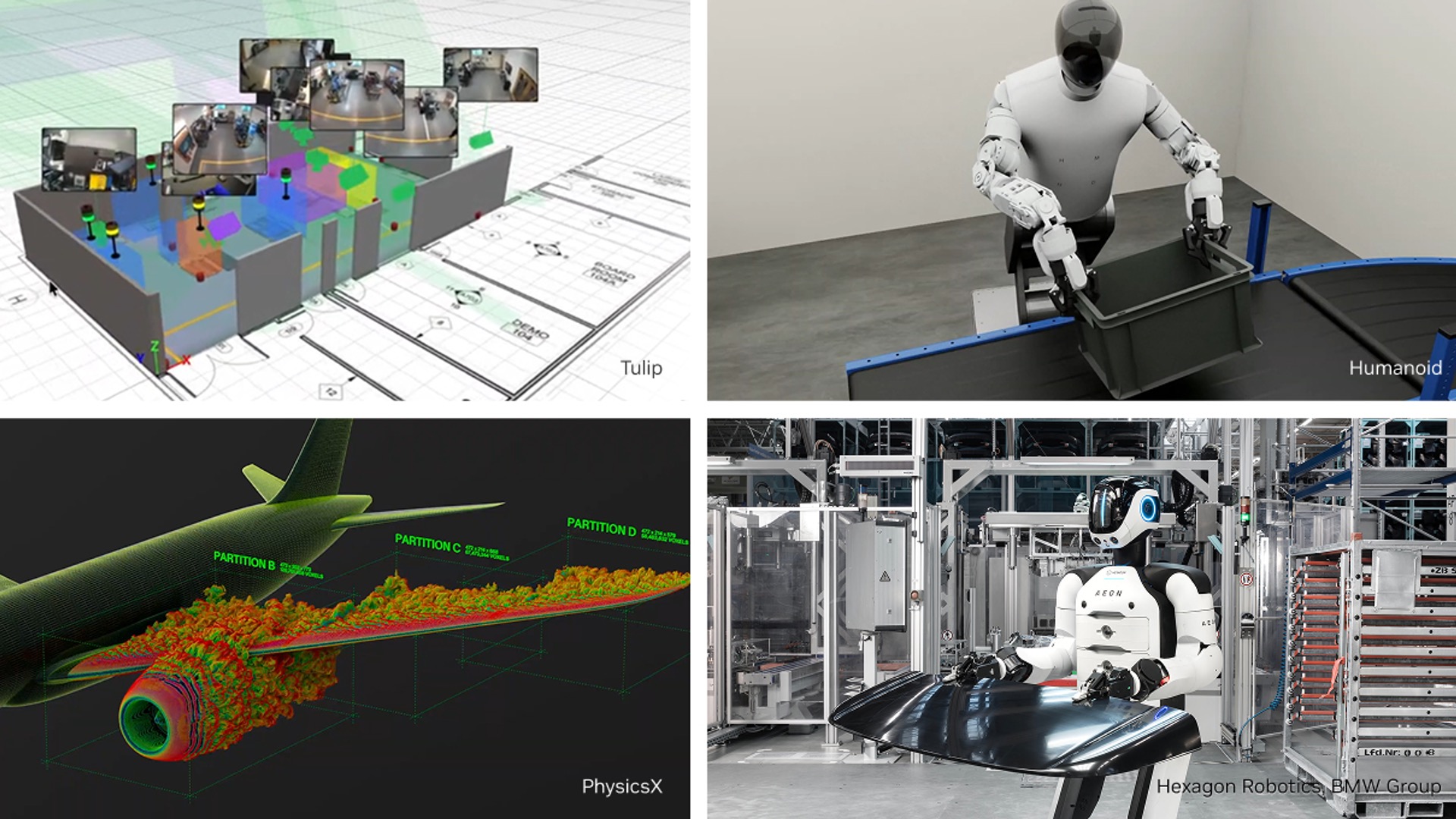
This workstation isn’t just a curiosity; it reflects broader trends in data center adjacency. As AI workloads migrate from cloud to edge, the demand for compact, efficient compute nodes grows. The MS-03 answers that call by proving you can run high-TDP CPUs without needing a server rack’s worth of space or cooling. For developers, researchers, or enterprises looking to deploy workloads closer to data sources, this represents a shift: powerful compute no longer requires a sacrifice in footprint.
There’s a reality check, though. The 70W TDP is a best-case figure; real-world power draw can creep higher under sustained load. And while the chassis is small, dual-socket configurations may still push thermal limits unless cooling is carefully managed. But those caveats don’t erase the core innovation: a workstation that doesn’t just shrink size but also rethinks how heat and performance balance in dense environments.
What to Watch Next
The next step isn’t just more units—it’s whether this form factor becomes the new baseline for edge AI. If Minisforum can show that Panther Lake workloads stay stable at 70W in the MS-03, it could open a door: compact workstations handling tasks once reserved for larger servers. The bigger question is efficiency—can such systems scale without eating into power budgets? That’s where the real test lies.
In plain terms, the MS-03 doesn’t just fit more power in less space; it challenges the idea that high performance and compact design are mutually exclusive. And if it succeeds, the ripple effect could change how we think about workstations altogether.