Gaming hardware is on the cusp of a major evolution, one that will redefine how GPUs process graphics by embedding artificial intelligence directly into the DirectX framework. Microsoft's initiative aims to create a new class of GPUs that can dynamically optimize rendering, potentially delivering smoother gameplay while reducing power consumption. The trade-off may come in higher hardware costs and a temporary performance gap for older games.
Redesigning GPU pipelines with AI
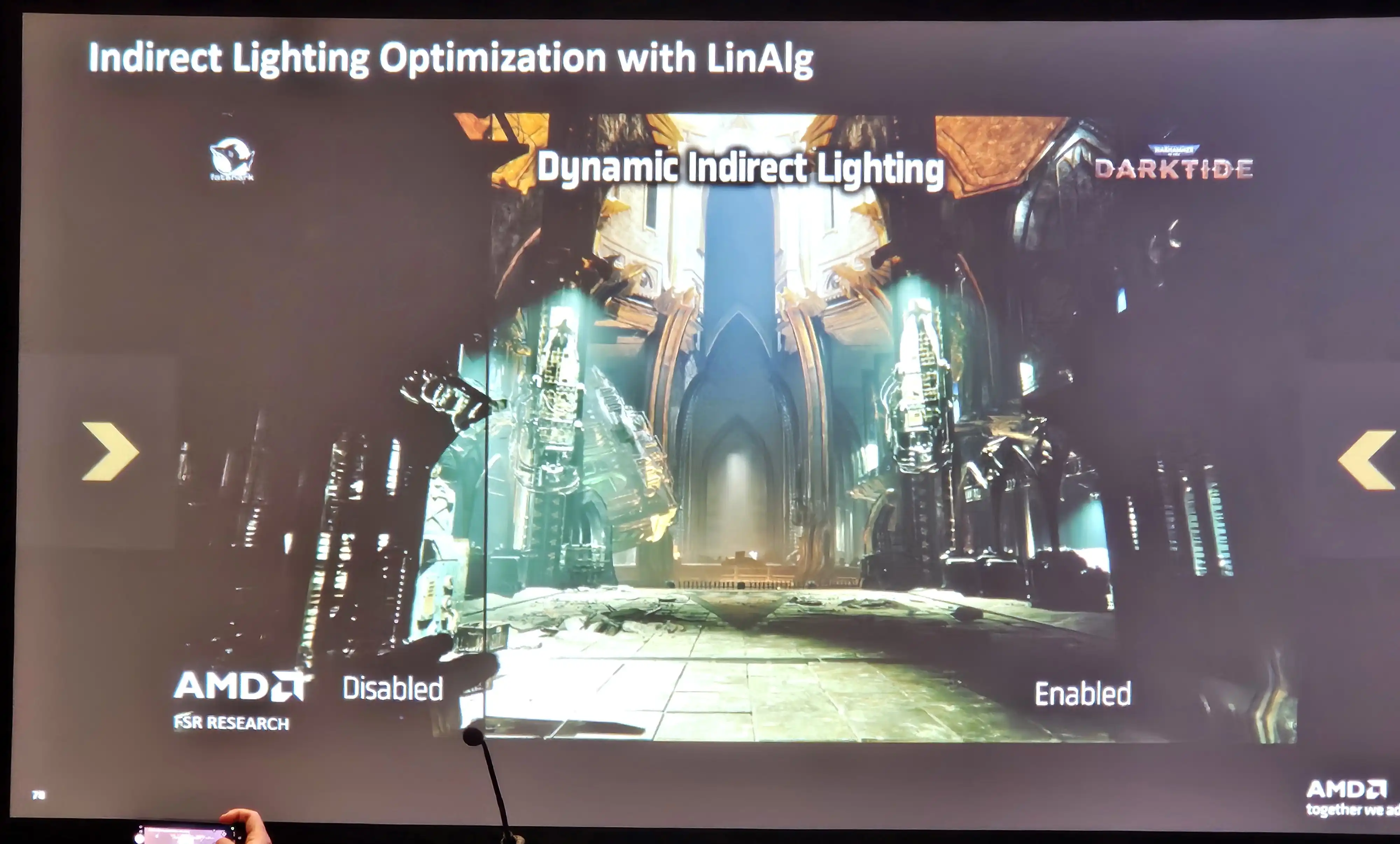
The foundation of this change lies in a new set of instructions designed to offload certain rendering tasks from traditional GPU cores to specialized AI processors. These units will analyze scene data in real time, adjusting ray tracing settings and memory allocation on the fly. Early testing suggests that games could achieve better frame rates with more detailed visuals, though not all titles will see equal benefits.
- Dynamic performance scaling based on scene complexity
- AI-driven texture streaming to minimize stuttering
- Automated anti-aliasing adjustments without manual settings
A double-edged efficiency promise
The most compelling aspect of this approach is its potential for power savings. Microsoft's prototypes indicate up to 15% lower energy consumption in some scenarios, which could extend battery life on laptops and reduce heat output. However, these gains depend heavily on how game developers implement the new features. Titles that don't leverage the AI optimizations may see little improvement, creating a temporary divide between supported and legacy games.
Hardware implications and timing
The shift won't happen overnight. Current GPUs lack the necessary hardware to support these advanced instructions, meaning gamers will need to upgrade to new models—likely arriving late next year—to experience the full benefits. The challenge for manufacturers will be balancing performance with cost; dedicated AI units add complexity that could push prices higher for mid-range cards.
Long-term vision vs. immediate reality
While the long-term potential is significant, the near-term impact remains uncertain. Microsoft's goal appears to be creating a self-optimizing GPU ecosystem where hardware automatically adapts to different games and workloads. For portable devices, this could mean longer battery life without sacrificing performance—a major selling point for gaming laptops and handhelds.
Yet whether this vision translates into real-world savings depends on two factors: developer adoption of the new features and the price premium of AI-capable hardware. If the efficiency gains are substantial enough to justify higher costs, we could see a fundamental shift in how GPUs are designed. But if the performance-per-dollar equation doesn't improve, this may become another layer of complexity rather than a true advancement.
The road ahead
For now, gamers face a choice: invest in next-generation hardware that may offer long-term benefits but requires compatibility updates from developers, or stick with current GPUs while waiting to see if the AI revolution delivers on its promises. The coming months will determine whether Microsoft's approach becomes the standard for future GPU design—or just another evolution in an ever-changing landscape.