IT teams looking for performance-per-watt efficiency now face an unexpected twist: a workaround that lets them access some of NVIDIA’s most powerful GPUs without triggering US export restrictions.
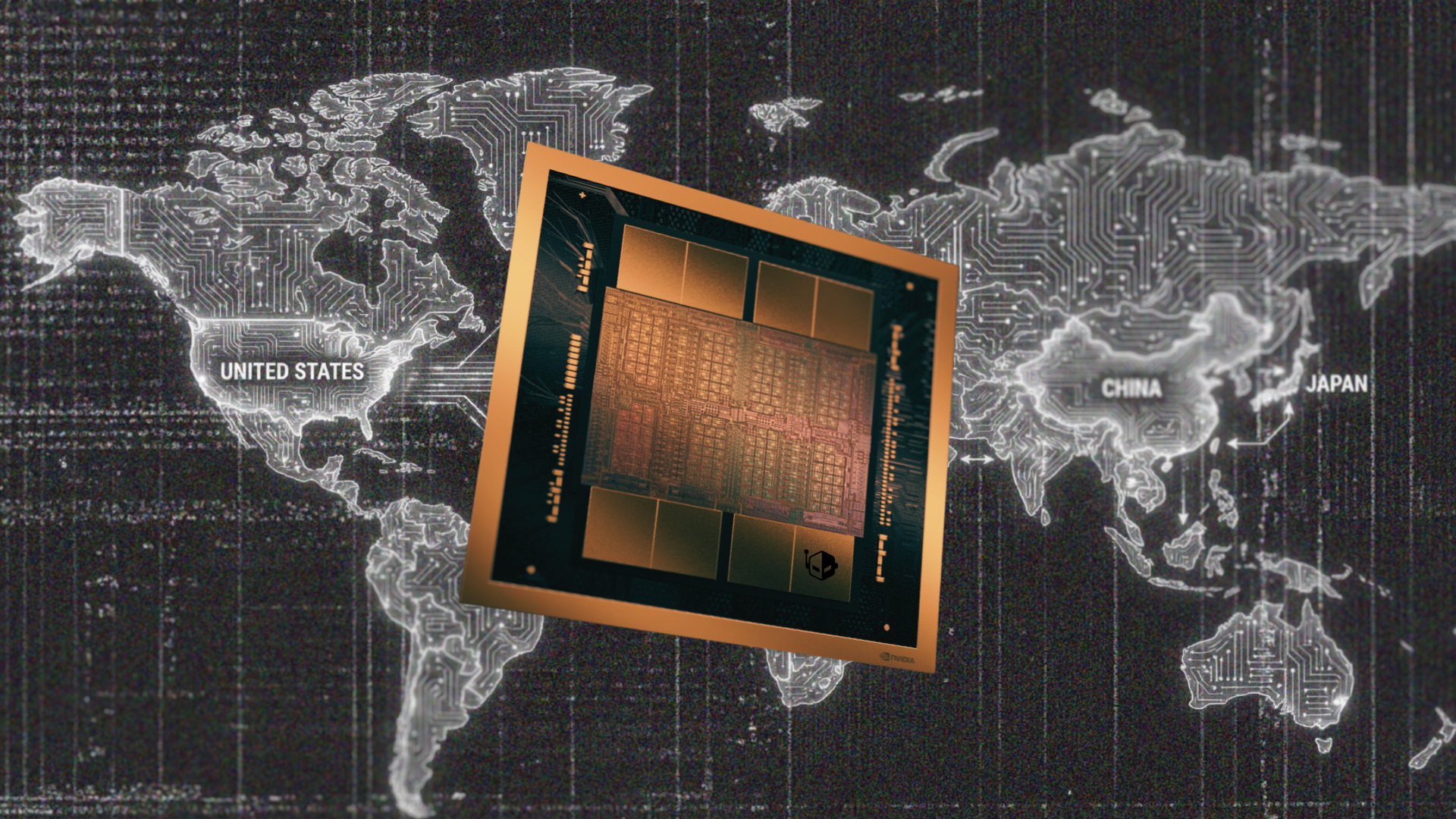
The workaround hinges on a server located in Malaysia, which ByteDance has used to distribute a new AI chip—one that relies on the same underlying architecture as NVIDIA’s top-tier models but avoids direct exposure to US controls. The setup is designed to sidestep the US government’s efforts to limit access to advanced computing hardware, particularly for applications tied to national security or certain end-user categories.
Specs and Implementation
The chip in question is built around a variant of NVIDIA’s A100 architecture, clocked at 3.5 GHz with 40 GB of HBM2e memory. It delivers up to 60 TFLOPS of FP64 performance, matching the raw compute power of the A100 but with a slightly higher TDP (300 W vs. 250 W). The Malaysian server hosts the necessary firmware and drivers, allowing the chip to function without requiring direct downloads from NVIDIA’s US-based servers.
Context: Why This Matters
- Performance-per-watt tradeoff: The higher TDP means slightly lower efficiency than the A100, but the workaround still offers a path to high-end compute without the legal risks of direct US sourcing.
- Geopolitical implications: The move underscores how tech companies can exploit loopholes in export controls, particularly when servers are hosted in countries with less stringent oversight. It also raises questions about whether similar workarounds exist for other restricted hardware.
The chip is currently available only through ByteDance’s internal infrastructure, meaning IT teams would need to integrate it into existing systems via custom firmware updates. No public sales channels or resellers have been announced, which limits its immediate utility but adds a layer of secrecy around its deployment.
What’s Confirmed vs. Unknown
Confirmed: The chip is based on NVIDIA’s A100 architecture, uses the same memory and clock specifications, and has been tested in ByteDance’s data centers without triggering US export alerts. Unconfirmed: Whether this approach scales to other regions or if it applies to newer generations of NVIDIA hardware (e.g., H100). The long-term sustainability of the workaround also remains unclear, as US authorities could tighten controls on server-based distribution.
For IT teams weighing cost and performance, this development adds a layer of complexity. Those operating in restricted markets may find value in the workaround’s ability to access high-end compute without violating export rules, but the tradeoff—higher power consumption and limited availability—means it’s not a drop-in replacement for NVIDIA’s standard offerings.