When a photographer’s hard drive fills up faster than expected, the instinct is often to rush out and buy more storage—portable SSDs or high-capacity HDDs that promise relief but come with hefty price tags. Yet, before reaching for those solutions, there are practical steps that can significantly extend usable memory without immediate financial strain.
One of the most overlooked strategies involves leveraging modern software tools designed to optimize file handling. For instance, non-destructive editing workflows allow photographers to manipulate images without creating multiple versions or temporary files, reducing the need for additional storage. This approach shifts the focus from sheer capacity to efficient memory management, a paradigm that can delay—or even eliminate—the necessity for upgrades.
Another key consideration is the way raw image files are processed and stored. Modern cameras produce high-resolution files that consume substantial space, but selective culling—reviewing and archiving images based on quality rather than quantity—can free up significant storage without sacrificing output. This process doesn’t require specialized hardware; it’s a matter of discipline in how files are managed from the moment they’re captured.
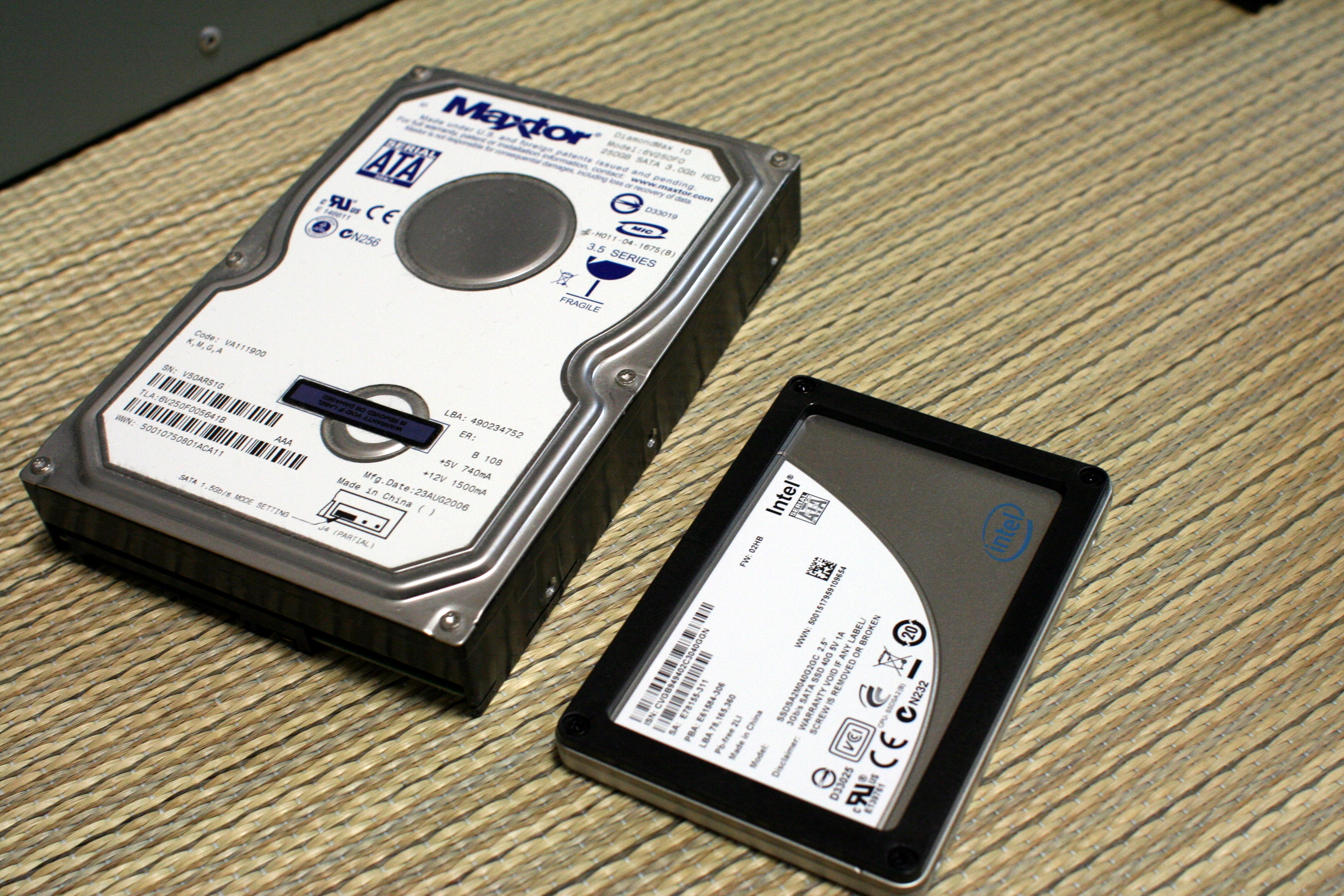
For those working with large image libraries, implementing a tiered storage system can also mitigate memory crunch. Separating active projects from archival content ensures that frequently accessed files remain on fast, readily available drives, while older or less critical assets are moved to slower but more cost-effective solutions. This separation doesn’t just save money—it improves workflow efficiency by reducing bottlenecks.
While these techniques offer immediate relief, the landscape of portable storage continues to evolve. Current market trends show that prices for high-capacity SSDs have stabilized, making them a viable option when in-house solutions are exhausted. However, the most strategic approach remains balancing software optimization with hardware investments, ensuring that photographers don’t outpace their own workflows.
Looking ahead, the focus should be on integrating memory management into daily practices rather than treating storage as an afterthought. This proactive stance can postpone—or even avoid—the need for expensive upgrades, aligning costs with actual usage patterns.