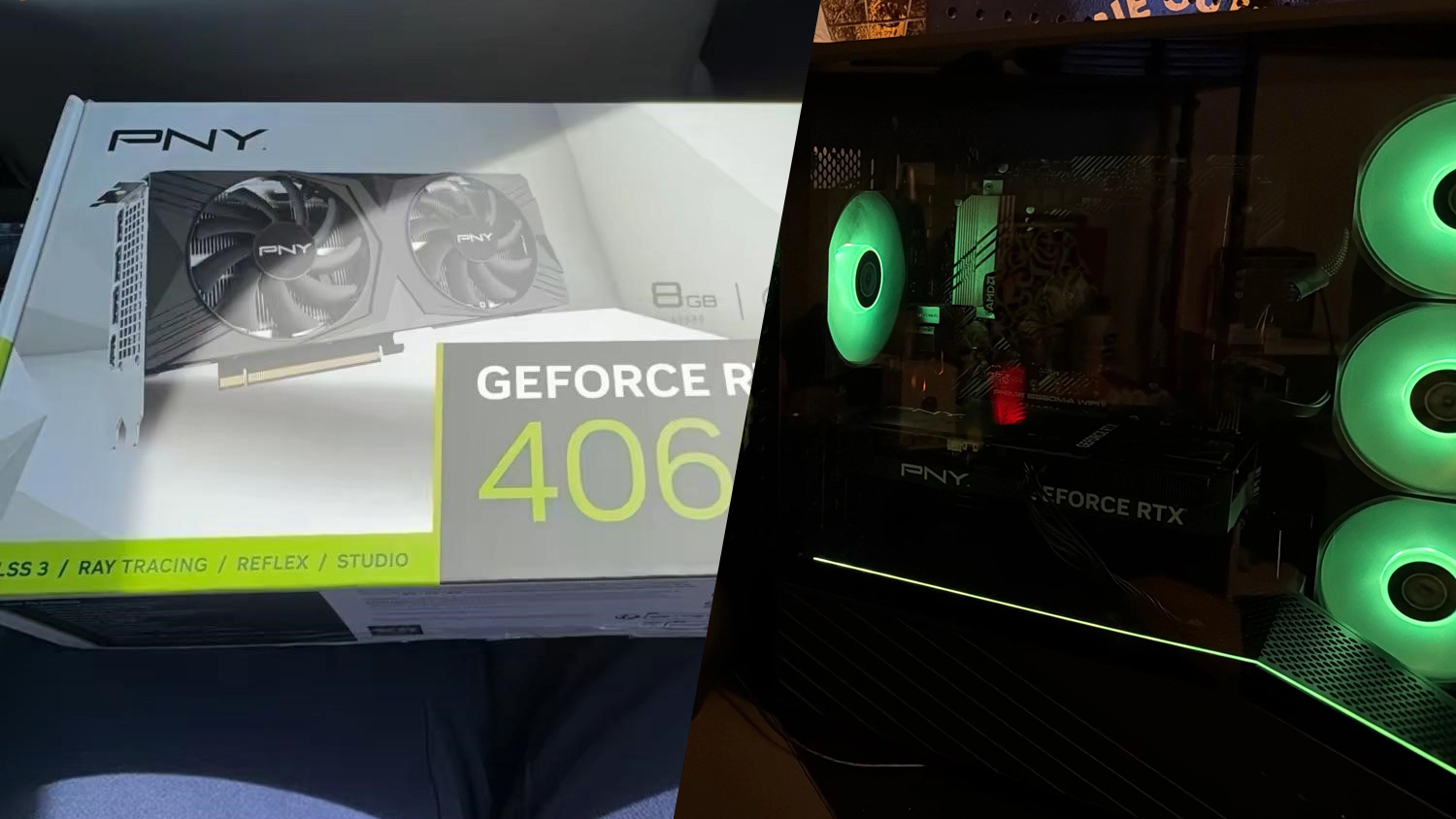
The Marathon series is closing its chapter with the Cryo Archive Raid, a development that promises to reshape high-performance computing by merging raw power with thermal efficiency. This endgame phase targets data center operators who must balance escalating computational demands against tightening power budgets.
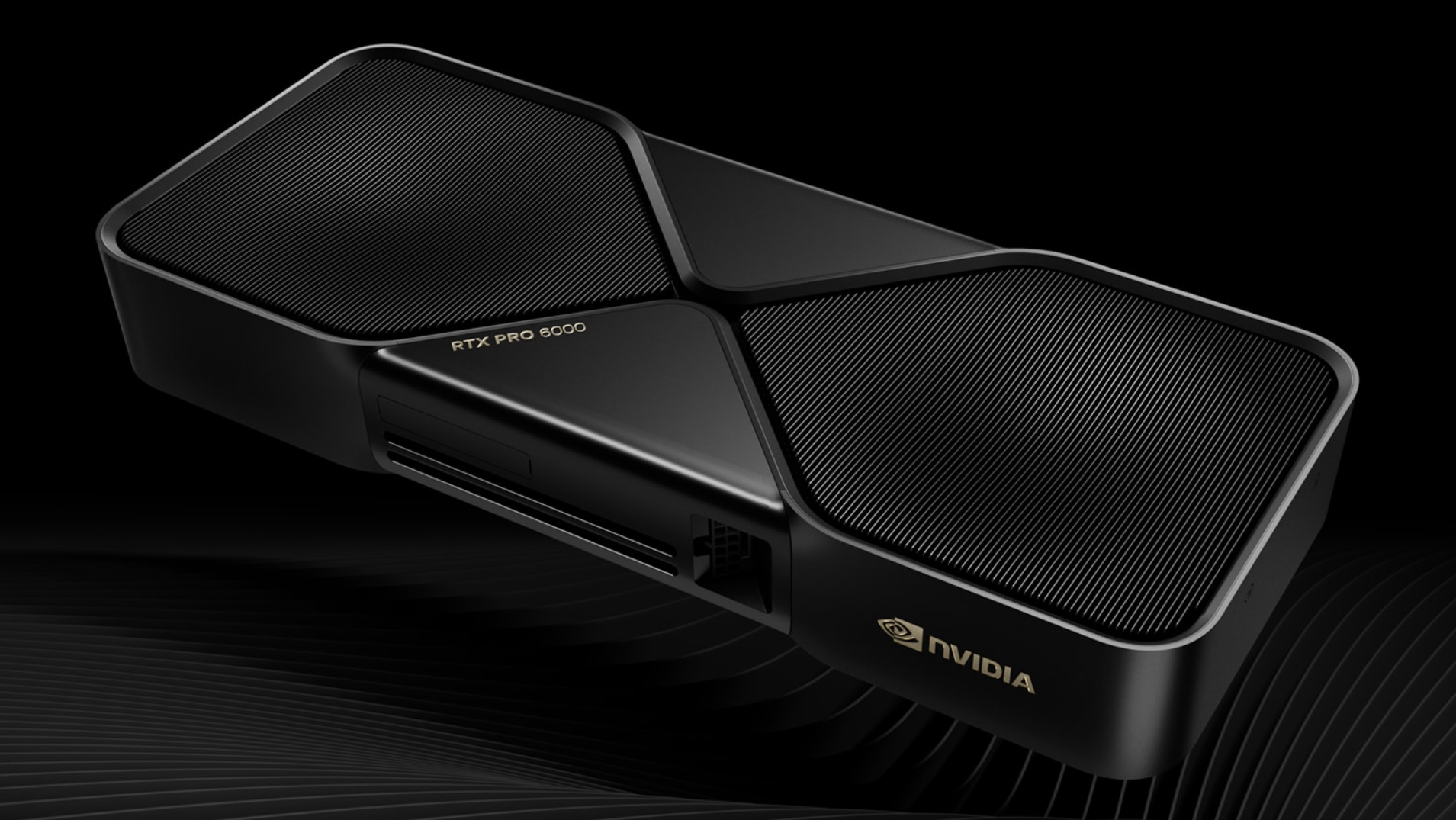
At the heart of this initiative lies the Cryo-X GPU, a model engineered to deliver 12GB of HBM2 memory at a clock speed of 1.8 GHz while maintaining a thermal design power (TDP) of just 75 watts. These specifications represent a notable achievement in performance-per-watt metrics—a critical factor as data centers expand and sustainability pressures mount.
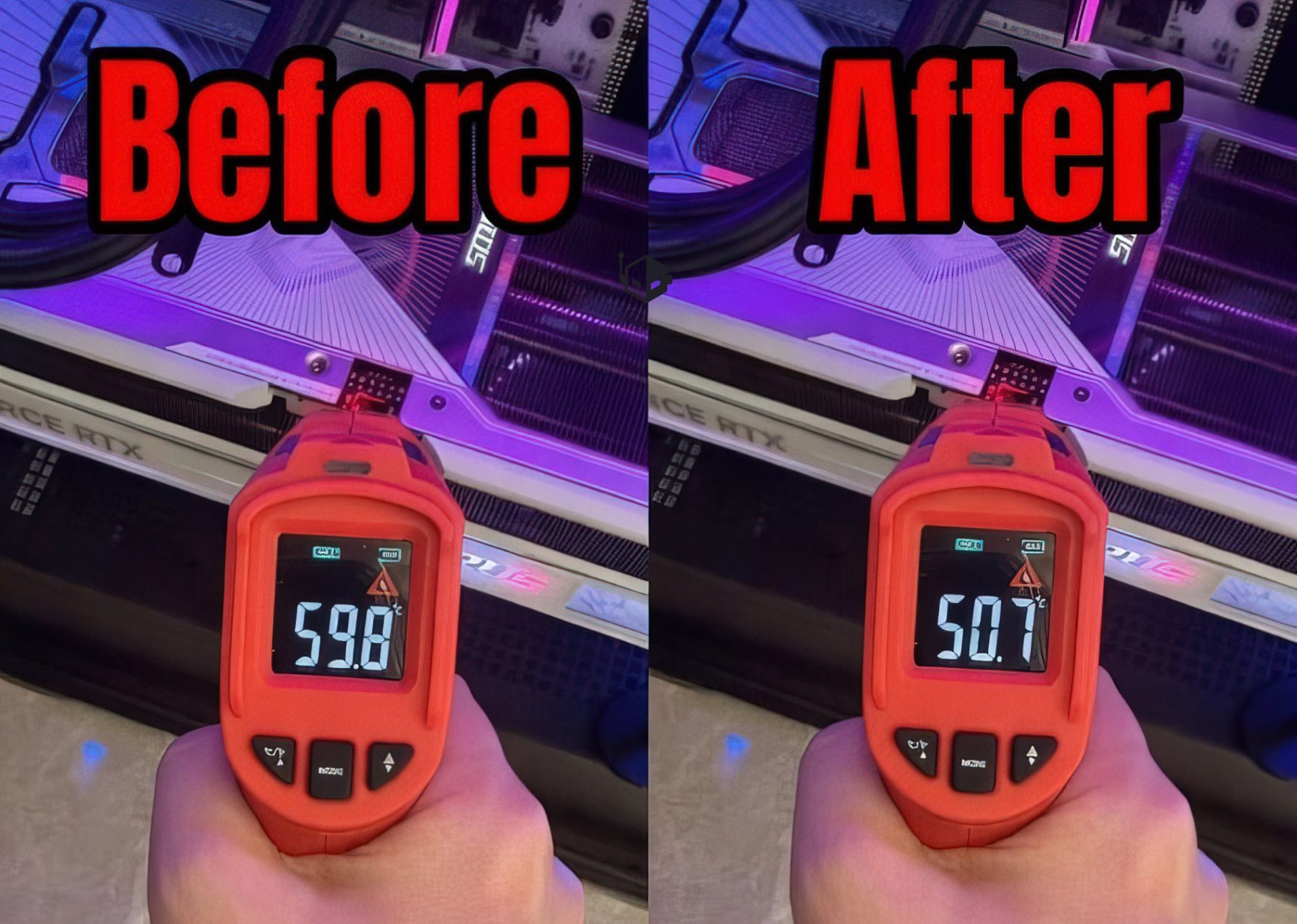
For developers, the Cryo-X offers compelling advantages. Its support for PCIe 4.0 ensures seamless integration with existing infrastructure, while its benchmark results suggest significant improvements over predecessor models in sustained workloads. However, this efficiency comes at a cost: the 75-watt TDP, though lower than many high-end GPUs, still demands rigorous cooling solutions to prevent thermal throttling under prolonged loads.
There’s also the question of longevity. While PCIe 4.0 compatibility provides immediate benefits, it may limit future-proofing as newer standards emerge. Developers must weigh whether investing in this technology now will require costly upgrades down the line—or if the performance gains justify the risk of obsolescence.

Another consideration is the Cryo Archive Raid’s benchmarking tool, which simulates data center conditions to help developers optimize their setups. While valuable for tuning, this tool also exposes potential weaknesses in real-world deployment, particularly in systems where cooling or power distribution isn’t perfectly optimized.
The ultimate test will be how well the Cryo-X adapts to existing ecosystems without introducing new vulnerabilities. For data center operators, this model represents an opportunity to push computational limits—but only if they can mitigate thermal and compatibility risks effectively. Whether it becomes a cornerstone of next-generation infrastructure or remains a niche solution depends on how carefully these trade-offs are managed.
In the end, the Cryo Archive Raid is a high-stakes gamble for the Marathon series. It delivers impressive performance gains, but those gains come with strings attached. Developers and operators must decide if the rewards outweigh the challenges—or if this is yet another step toward an unsustainable arms race in high-performance computing.