For most users, a hardware refresh follows a predictable cycle: wait for the next generation, then trade up. But for a small group of MacBook Pro M2 Max owners, that cycle has been disrupted in an unexpected way.
A supply chain hiccup—likely tied to production delays rather than demand spikes—has forced Apple to replace malfunctioning M2 Max chips with newer M5 Max models in some units. While the company’s standard practice is to swap in the same generation chip, this incident marks a rare departure from that approach.
The M5 Max, introduced alongside the current MacBook Pro lineup, delivers noticeable improvements over its predecessor. It features a 12-core CPU with two performance cores and ten efficiency cores, up from the M2 Max’s 10-core configuration (8 performance + 2 efficiency). The GPU also sees an upgrade, moving to a 38-core design compared to the M2 Max’s 34-core model. Benchmarks show around a 15% boost in CPU performance and a 20% jump in GPU performance under real-world workloads.
- M2 Max (original): 10-core CPU, 34-core GPU
- M5 Max (replacement): 12-core CPU, 38-core GPU
The swap isn’t just about raw specs. The M5 Max also introduces a more efficient thermal design and improved power delivery, which could translate to longer battery life in sustained tasks. However, some users report minor trade-offs, such as slightly higher fan noise under heavy loads—a common issue with more powerful chips.
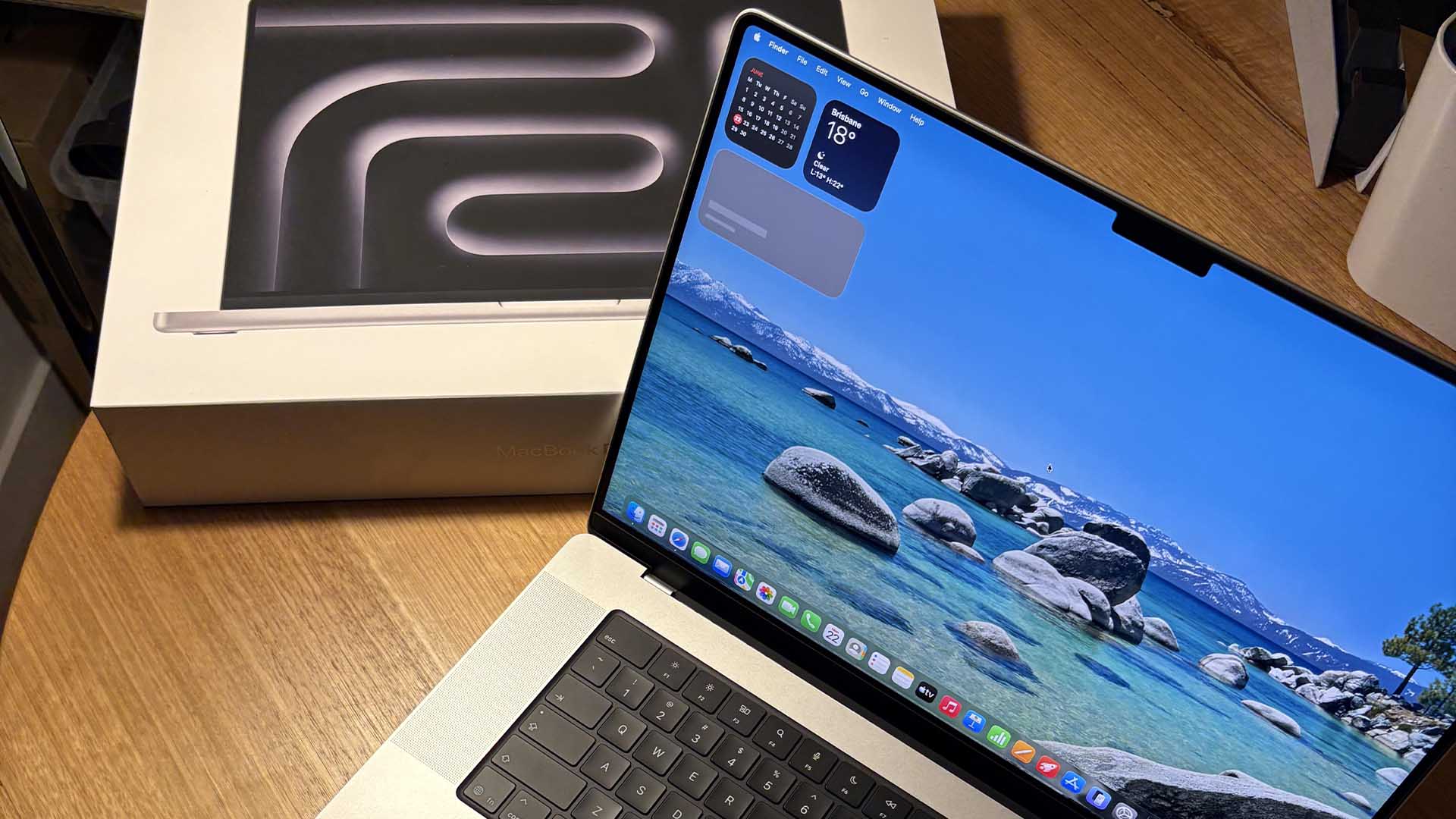
Apple has paired the replacement with store credit, estimated at around $200–$300 depending on regional pricing, though exact amounts vary. The company’s decision to offer compensation suggests this wasn’t a routine recall but rather an isolated supply chain issue affecting a limited batch of units.
The incident raises questions about Apple’s usual tight control over hardware production. While the M2 Max remained in production for nearly two years after its 2021 launch, this appears to be one of the few cases where a newer generation chip was used as an impromptu fix. For affected users, it effectively means skipping a generation without the typical trade-offs—like higher price or reduced battery life—that often come with mid-cycle upgrades.
Looking ahead, Apple’s supply chain appears to have stabilized for the M5 Max. The company is now focusing on ramping up production for its next major silicon leap, rumored to be a transition to 3nm process nodes in late 2024. Whether this incident will influence that timeline remains unclear, but it does highlight the challenges of balancing rapid innovation with supply chain reliability.