Apple's decision to produce its first-generation MacBook Neo at a scale of 10 million units reflects a strategic approach to balancing performance, cost efficiency, and future-proofing. This move has significant implications for IT teams, creators, and everyday users alike.
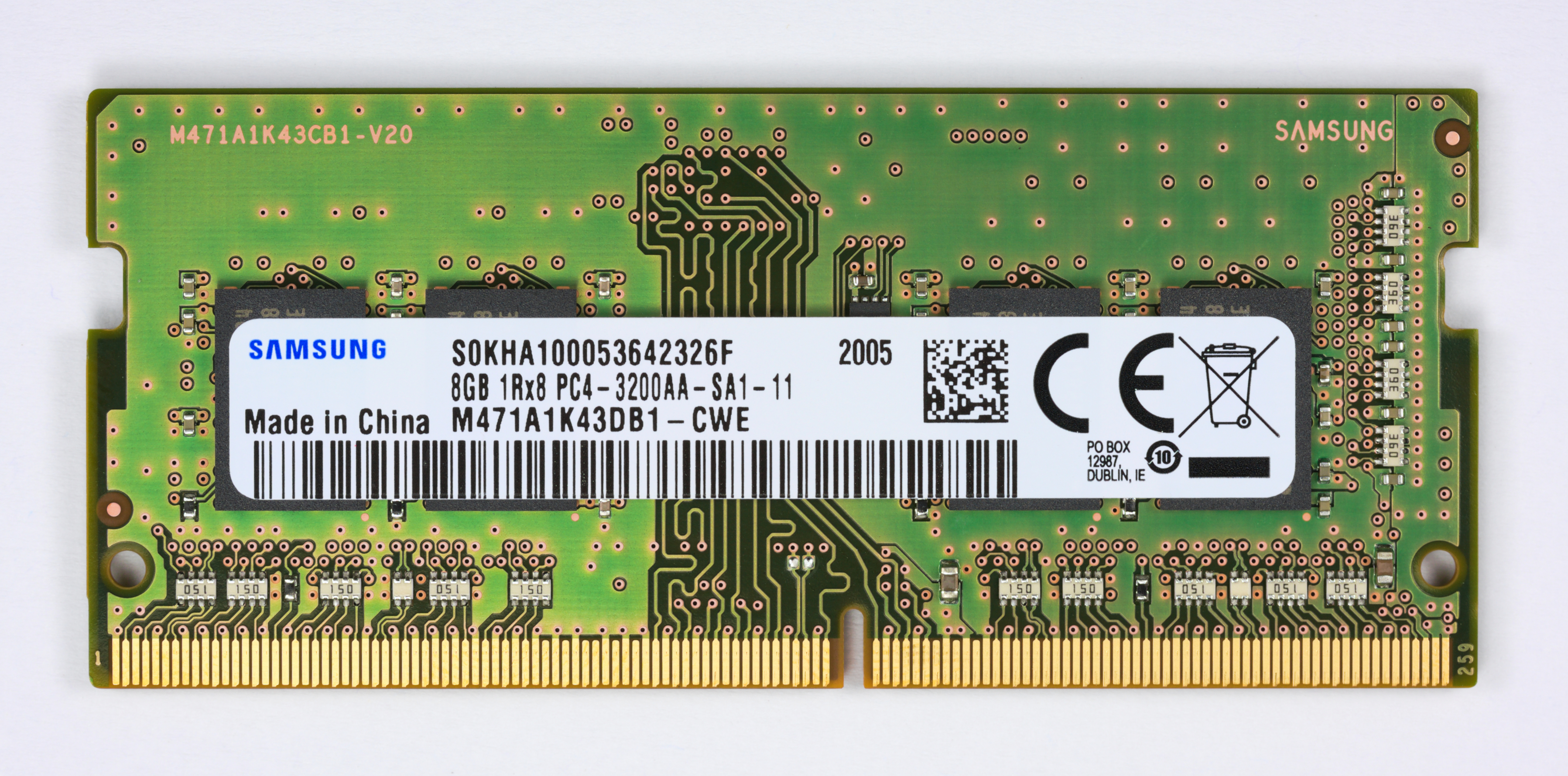
The original MacBook Neo, built around the A18 Pro SoC with 8 GB of LPDDR5X memory, appears to have been a stopgap measure. Reports suggest that Apple is now accelerating development on a second-generation model, which will likely feature the more advanced A19 Pro SoC and support for up to 12 GB of RAM. This transition aligns with broader industry trends where memory capacity has become a critical factor in performance, particularly for tasks like video editing or high-end gaming.
For Gaming
The increase from 8 GB to 12 GB of RAM is particularly noteworthy for gamers. This change reflects a growing demand for higher memory capacity, which is essential for resource-intensive tasks such as gaming at 4K resolutions. The second-generation MacBook Neo, expected to feature the A19 Pro SoC, will likely offer improved performance and efficiency, making it a more attractive option for users who require both power and portability.
For Creators and Professionals
The shift to a new SoC in the next iteration will also allow for better performance optimization, ensuring that the MacBook Neo remains competitive in both productivity and gaming workloads. This change is particularly beneficial for creators and professionals who require high memory capacity for tasks such as video editing or high-end gaming.

For Everyday Users
Everyday users stand to benefit from this production ramp-up in terms of availability. With 10 million units now in the pipeline, there will be less risk of supply shortages, ensuring that those who rely on Apple's ecosystem can access the device without delay. For those who do not require the additional memory or performance boost, the current generation may still suffice, depending on their specific needs.
Looking Ahead
The second-generation MacBook Neo is expected to incorporate the A19 Pro SoC, which will also power the next iPhone 17 Pro. This consistency in hardware design will streamline Apple's production process and reduce costs, further reinforcing its position in the laptop market. The move suggests a strategic alignment between mobile and desktop products, ensuring that users benefit from seamless integration across Apple's device lineup.
In summary, Apple's decision to increase MacBook Neo production reflects a broader strategy of optimizing performance while controlling operational expenses. IT teams will see immediate advantages in cost efficiency, while everyday users can expect better availability and future-proofing with the next generation. The transition to 12 GB of RAM will particularly benefit those engaged in resource-intensive tasks, making this a strategic upgrade for Apple's ecosystem.