For creators pushing the boundaries of digital content, balancing performance with cost has always been a delicate act. NVIDIA’s latest move—introducing the RTX 3060 12 GB—shifts that balance further in favor of efficiency and power, without sacrificing the capabilities that matter most.
This isn’t just about cramming more VRAM into an older architecture; it’s a deliberate push to deliver ray-traced visuals, AI-accelerated workflows, and raw rendering muscle at a price point that doesn’t demand a second mortgage. The 12 GB variant of the RTX 3060, originally slated as part of a broader lineup refresh, now takes center stage—while another entry, the RTX 5050 9 GB, has been delayed to later this year.
The focus here is clear: performance-per-watt and thermal efficiency. For creators working in 3D modeling, video editing, or real-time rendering, that translates to longer sessions without thermal throttling, quieter operation under load, and the ability to tackle larger projects without constant hardware upgrades. But how does this card stack up against its peers, and who stands to benefit most?
Performance reimagined for efficiency
The RTX 3060 12 GB isn’t just a rebranded part; it’s a refined take on the Ampere architecture. NVIDIA has optimized power draw and thermals, ensuring that the card can sustain high workloads without sacrificing air cooling performance or pushing power supplies to their limits. This is particularly important for creators who rely on external cooling solutions like open-loop setups or liquid coolers—where thermal efficiency directly impacts longevity and noise levels.
That’s the upside—here’s the catch: while the 12 GB variant offers more VRAM, it doesn’t come with a proportional leap in ray-tracing performance. The focus remains on delivering strong rasterization capabilities alongside NVIDIA’s DLSS 3 support, which is now more critical than ever for real-time rendering tasks. For those working in fields like architectural visualization or product design, this means smoother workflows and the ability to render complex scenes without waiting for hours.
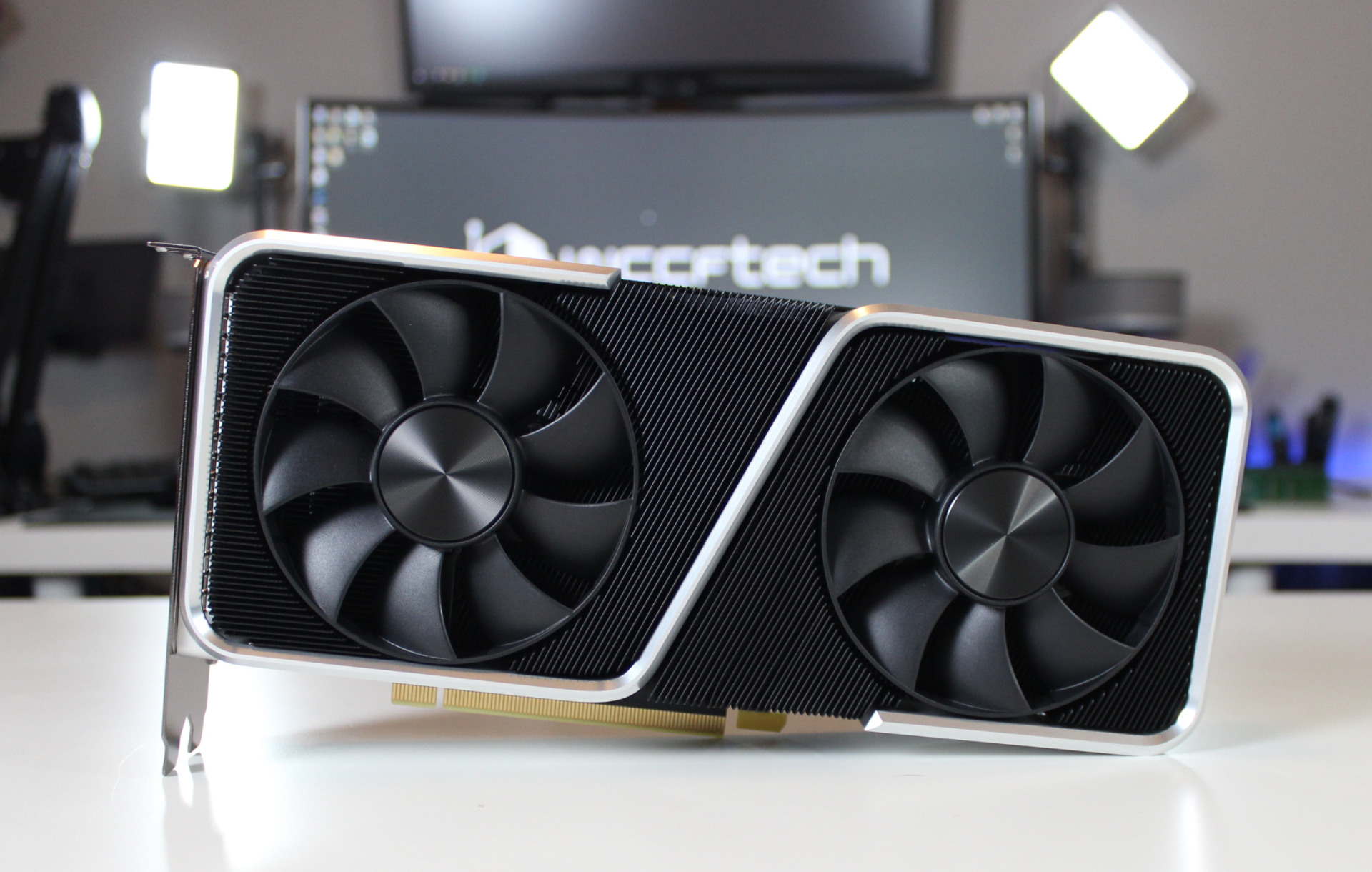
Key specs at a glance
- Chip: Ampere architecture (GA104)
- VRAM: 12 GB GDDR6
- Memory Bus: 192-bit
- Base Clock: 1.83 GHz
- Boost Clock: Up to 2.02 GHz
- TDP: 170 W (typical system power)
- Ray Tracing Cores: 3rd Gen, 4th Gen
- DLSS Support: DLSS 3 (Frame Generation)
- APIs: Vulkan RT, DirectX 12 Ultimate, OpenGL 4.6
The 12 GB VRAM is a standout feature, addressing a long-standing pain point for creators working with high-resolution textures or multi-monitor setups. While it doesn’t match the capacity of higher-end cards like the RTX 4090, it’s more than enough for most professional workloads, including 8K video editing and 3D modeling at moderate resolutions.
Thermal management is another area where NVIDIA has made tangible improvements. The card operates significantly cooler under sustained loads compared to its predecessors, which is a game-changer for creators who run long renders or stream their workflows without wanting their studio to sound like a jet engine.
The future-proofing factor
For creators, the real question isn’t just about what this card can do today—it’s about how it will hold up in two years. The RTX 3060 12 GB is designed to be a bridge between budget and high-end workflows, offering enough headroom for software advancements without requiring an immediate upgrade to next-gen hardware.
NVIDIA’s delay of the RTX 5050 9 GB suggests a strategic shift: rather than flooding the market with incremental upgrades, they’re focusing on delivering meaningful improvements in efficiency and capability. This is particularly relevant for creators who rely on NVIDIA’s AI features, such as DLSS or AI-denoising tools, which are becoming staples in professional pipelines.
That said, it’s worth noting that the RTX 3060 12 GB won’t be the last word in performance. The RTX 5050 is still on its way, and with it will come further refinements in ray tracing and AI acceleration. For now, though, this card represents the best balance of power, efficiency, and value for creators who need to stretch their budget without compromising on quality.
The takeaway is clear: if you’re a creator who demands more from your hardware without wanting to pay a premium for it, the RTX 3060 12 GB is worth a serious look. It’s not just about gaming; it’s about future-proofing your workflow, reducing power costs, and keeping your setup quiet enough to focus on the creative work itself.