A single subscription could soon grant you lifetime access to some of the most advanced AI models—ChatGPT, Google’s Gemini, and Anthropic’s Claude—but at a price that raises questions about platform lock-in. The offer, priced at $70 during a promotional period, promises uninterrupted use across these systems without recurring fees. However, whether this represents genuine value or a risky bet on ecosystem exclusivity remains unclear.
The model in question is built around a fixed one-time payment, bypassing the usual monthly or annual subscription cycles that dominate AI services today. Instead of paying $20 or more per month for individual access, users would pay a flat fee upfront and retain full functionality indefinitely. For power users who rely on multiple AI tools daily, this could eliminate budget volatility while providing predictable performance. Yet the tradeoff is stark: lifetime access means committing to a single platform’s ecosystem, potentially limiting flexibility as competing models evolve.
What changed? Historically, AI services have operated on short-term subscription terms, often with tiered pricing that forces users to choose between limited free tiers and expensive premium options. This new approach flips the script by offering a lifetime pass, but it comes with caveats. For instance, the $70 price point is significantly lower than the cumulative cost of annual subscriptions for these services, suggesting a steep discount during a promotional window. However, whether this discount will be sustained—or if it’s a one-time deal—is not yet confirmed.
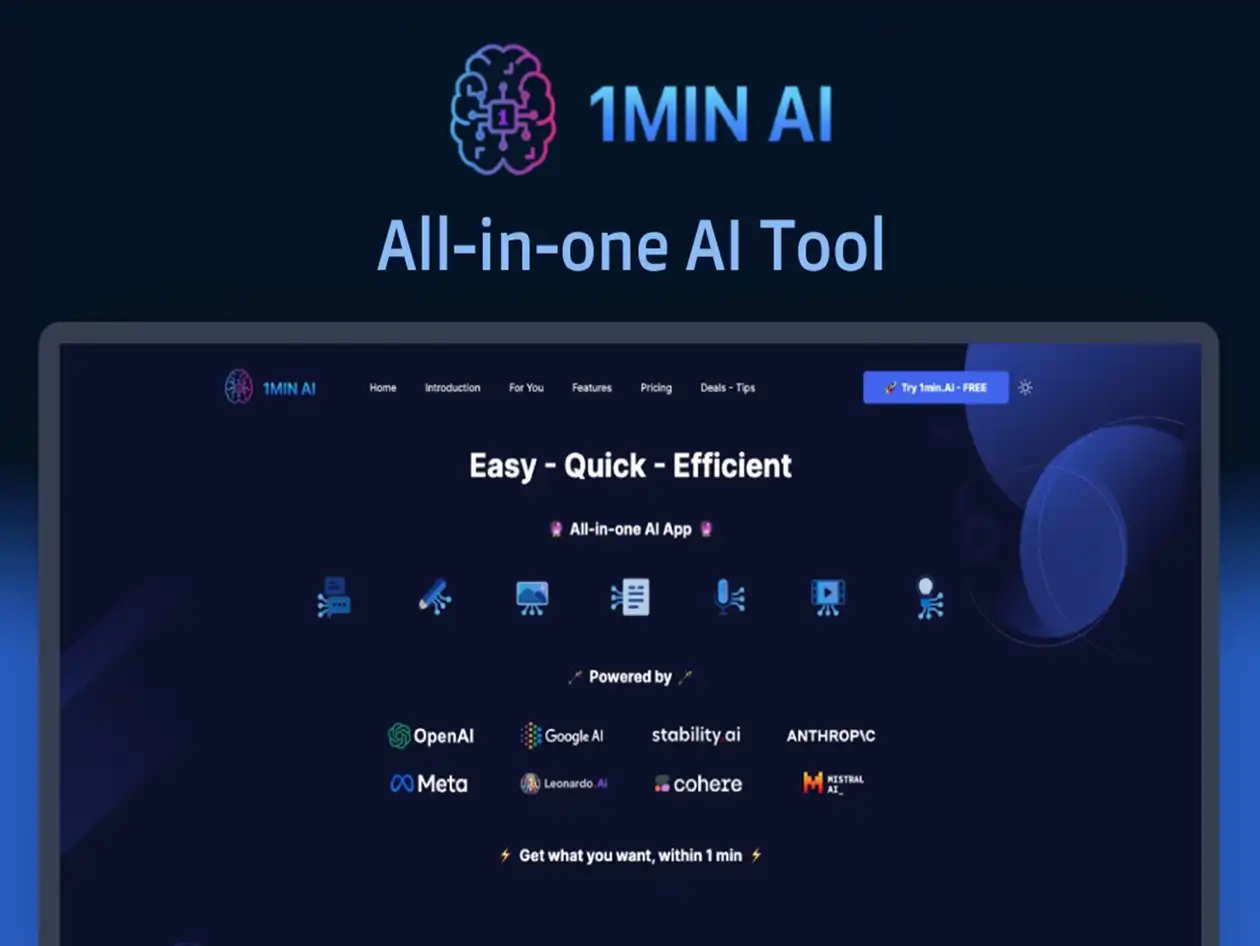
The platform in question does not disclose its underlying infrastructure, leaving questions about scalability and maintenance. If the service relies on proprietary hardware or exclusive partnerships with AI developers, users could face limitations down the line, such as restricted features or deprecated models. This is particularly relevant for power users who depend on cutting-edge capabilities, as platform lock-in could hinder adaptability in a rapidly advancing field.
Why does this matter? For now, the primary advantage is clear: cost savings and convenience. A $70 upfront payment beats the alternative of paying hundreds over time, assuming the service delivers on its promises. But the long-term implications are less certain. If the platform becomes a de facto standard, users may find themselves tied to its ecosystem, unable to migrate seamlessly as new AI models emerge. This could create a paradox where lifetime access, designed to simplify life, inadvertently complicates it by reducing future flexibility.
Looking ahead, power users should approach this offer with caution. The discount is compelling, but the lack of transparency around platform updates and model support means that early adopters may bear the risk if the service fails to keep pace with industry advancements. For those who prioritize ecosystem lock-in over adaptability, this could be a game-changer—but for others, it may not be worth the gamble.