Lenovo is set to showcase a new take on laptop modularity at an upcoming tech event. The proposed ThinkBook Modular AI PC concept promises flexibility in form factor without sacrificing performance, potentially shifting how users approach workstations and mobile computing.
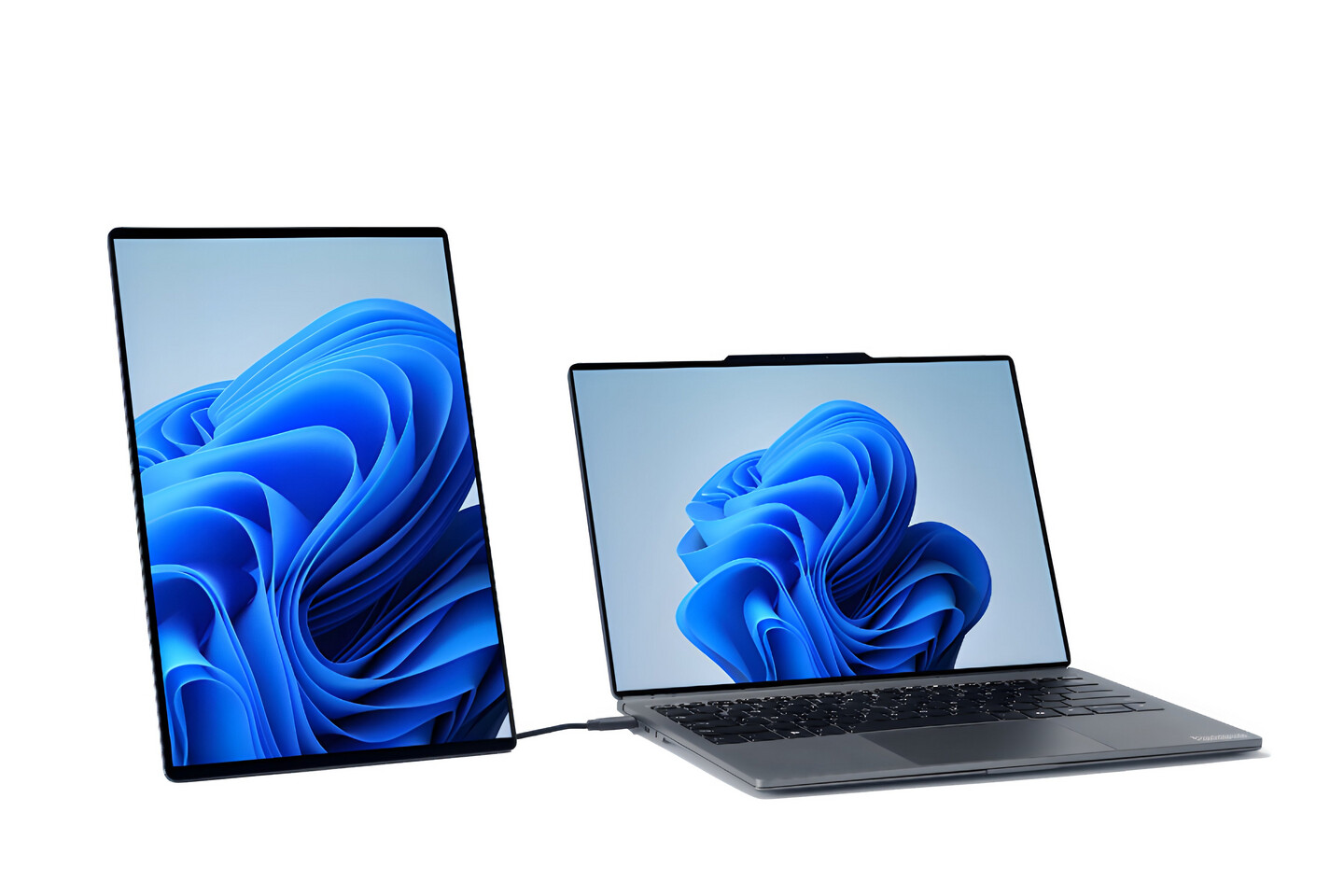
Unlike traditional clamshell designs, this device appears to replace the lower hinge with a slot for modular attachments. One configuration could feature just a keyboard, while another allows for an additional display—effectively doubling screen real estate when needed. This design may avoid the complexity (and cost) of flexible OLED panels seen in other dual-screen laptops, instead relying on rigid displays that can be detached or left behind.
Modularity Without Compromise
The leaked images suggest a focus on practicality. Users could opt for a lightweight single-display mode for travel, or expand to a desktop-like experience with both screens and peripherals at home or in office settings. The modular approach may also lower production costs by eliminating the need for expensive hinges or flexible displays.
Performance and AI Integration
The concept’s name—ThinkBook Modular AI PC—implies a strong emphasis on artificial intelligence capabilities, though no specific hardware details have been confirmed. Previous Lenovo leaks hint at possible integration of NVIDIA’s N1 series APUs in future models, which could pair well with this modular design for tasks requiring both mobility and processing power.
Key Specs
- Display: Primary display (size unspecified), optional secondary display (same size).
- Chipset: Likely based on NVIDIA’s Zen architecture, possibly the N1 series APU.
- Modularity: Detachable keyboard and display modules for single or dual-screen setups.
The design appears to target professionals who balance mobility with productivity demands. The ability to switch between compact and expanded configurations could appeal to those in fields like content creation, software development, or data analysis, where screen real estate is critical but portability remains essential.
Industry Context
Modular laptops are not new, but Lenovo’s approach may prioritize simplicity over the mechanical complexity seen in some competitors. Earlier attempts at modularity—like Lenovo’s ThinkPad X13 Detachable or ASUS’s ZenBook Duet—have focused on detachable keyboards, but this concept takes it further by offering an optional secondary display without requiring a foldable hinge.
Where It Stands Now
For now, the ThinkBook Modular AI PC remains a concept with no confirmed release date or pricing. If executed well, it could challenge the status quo by proving that modularity doesn’t need to come with premium price tags or engineering trade-offs.